Tag Archives for " health "

Life-Expectancy-of-a-siberian-Husky

Siberian Husky’s Lifespan or How Long Do Huskies live?

How long do Huskies live?

First of all, it is important to understand that there are average indicators of the life expectancy of the Siberian Husky breed, determined by dog breeders, veterinarians, and dog handlers. 

Huskies typically live from 12 to 16 years of age. Due to successful selection, Siberian Huskies remains one of the healthiest dog breeds, which has a serious advantage such as the absence of a pronounced tendency to genetic diseases, which positively affects their lifespan. 

Of course, these facts remain relevant only if the dog is kept in optimal conditions, the owner paid sufficient attention, and also provides his four-legged friend with proper nutrition. Cases have been recorded when these dogs, under favorable conditions, lived up to 20 years. 

It should be noted that husky dogs differ from many other dog breeds and known for their high level of activity. These pets are strong, playful, and have good stamina. Such characteristics are assigned to the dog from puppyhood to old age, which also determines its lifespan.

 However, some common husky health problems do randomly occur and every husky owner should take this into consideration if they want a long and fulfilling life for their beloved dog.  

How to Determine a Husky Age and Why is That Important?

A lot of husky owners who get their dog from the shelters, animal rescue organizations, or simply picked up an adult animal on the street, have one question in common: ”What is the age of my dog?”. This information could be very useful if you try to prolong your husky lifetime. 

For example, the chances of cancer in dogs—that’s responsible for about 47% of dog deaths—increases manifold after dogs hit the 10-years benchmark. 

Knowing the age of your Siberian Husky is extremely important, as it can give you a heads up about what to expect in terms of your dog’s health and how to take better care of them.

Feed ration, amount of exercise, frequency of vet visits: all these factors should be adjusted according to the dog’s age in order to provide a happy and long life for your pooch.

There are several methods to determine the age of your husky:

1. Teeth condition (direct way)

Husky ageTeeth condition
7 month oldUsually, all baby teeth of a husky are in by the 7th month. These teeth would be pure white in the first year of your dog’s life.
3 years oldBy the time your Siberian Husky is 3 years old, you’ll notice tartar accumulation at the back teeth
5 years oldAt 5 years old, this tartar would have built upon its front teeth as well. With passing time, these teeth would show more wear and tear, as well as tartar buildup.

                  (for more accurate results, consult with your vet)

2. Eyes and fur condition (indirect way)

You can also guess the age of a dog by noticing its eyes. Older dogs often have cloudier eyes as their lens hardens. At times, you’ll also notice some signs like the “greying” of your Husky’s fur as it ages. However, that’s not all that common. Not to mention, older dogs also tend to get less active.

As you can imagine, these methods can not tell you with certainty about how long your Siberian Husky has lived. In fact, it involves significant guesswork, and it works best if used by professionals. So, if you’re ever confused about the age of your Husky, feel free to hit up your local veterinarian.

Factors and Main Causes of the Premature Death?

The premature death of a husky can be caused by a number of reasons:

1. Genetic health problems and other diseases

Huskies are prone to some genetic defects such as hip dysplasia, blindness, and other eye issues.

Hip Dysplasia. In this painful disease, the bones in the hip joint don’t sit well in the socket. This causes the bones to collide and rub against each other. As you can imagine, this can be quite painful.

Hip Dysplasia is a polygenic disease that’s affected by environmental factors. What’s more, a Husky puppy that’s fed a high-caloric diet would have a faster onset of Hip Dysplasia, in case it contains the genes for it. So, try to feed a minimal diet to your dog.

Eye Diseases. Although eye diseases aren’t necessarily life-threatening, for a working dog like the Husky, eyesight is vital. However, eyes seem to be the weak-spot for Huskies as they’re prone to several eye-related problems, including PRA, hereditary or juvenile cataracts, and corneal dystrophy. If you notice any sort of opacity in your husky’s eyes, then you need to visit the vet as soon as possible.

Other health issues such as myelopathy, epilepsy, diseases of the genitourinary system. Although most of them will not end a dog’s life, they may put you in a difficult position.

For example, degenerative myelopathy leads to paralysis of the limbs over time, or epilepsy attacks, which, having begun at the age of 7 months to 3 years, progress over time and become more frequent and prolonged. There is no cure for these ailments, and therefore, when they reach the extreme stage, sometimes difficult decisions need to be made in your Husky’s interests. 

Putting your dog to sleep (euthanizing it) is something you should be prepared for in advance. That doesn’t make it any easier, but at least you might have an idea of when to say goodbye. A dog in pain from health issues (such as dysplasia), or having trouble with organs functioning the way it should, might warrant a peaceful end to a happy life.

Do you really want your last memories to be of your family pet in agony? Your vet can recommend a course of action in advance so that decisions can be made before emotions run high. In any case, it should be a well-considered decision, and only you as a husky owner can feel what is right to do.

2. Accidents

Here’s a fact: Huskies LOVE to run. If you give them a chance, they will run off into the wide open and won’t look back until they’re tired. Unfortunately, many dog owners have lost their Huskies in road accidents in similar situations.

You need to carefully monitor the pet, engage in its training, and if he is left alone for the whole day, it is necessary to provide him with a sufficient number of safe treats and dog toys. 

Sometimes being alone for the whole day, the husky could spoil things out of boredom and happens to swallow different pieces that can fit in his mouth. This does not always lead to serious consequences, but sometimes these “pranks” end up with blockage of the stomach or intestines. That is why it is so important to reduce the likelihood of an accident that happens, especially when you are not around.

 And everything that can be dangerous for a husky or be swallowed by him, if possible, should be removed to a place inaccessible to the dog. 

How to Extend the Lifespan of a Husky?

We’ve discussed how long Huskies live and have covered all the health concerns and other factors that might cut your Siberian’s life short. But in this section, we’ll be teaching you about the measures you can take to increase the lifespan of your husky.

1. Proper nutrition and vitamins

It does not matter if you decide to feed your husky raw food or kibble, wet or dry, home-cooked or canned, but it is very important to include in the dog’s regular diet all essential nutrients, such as water, proteins, carbohydrates, and fats. 

Also, vitamins and minerals must be periodically added to their food. Feed your husky only with food not lower than the premium class, suitable by age, size, and physical activity. You might want to read my entire husky feeding guide to make sure your puppy has a perfectly balanced diet.

2. Keep its body weight in check

According to research published in The Veterinary Journal, overweight dogs tend to have shorter lives. In 2019, 31 out of 100 dogs that were admitted to the Banfield Hospitals were obese. That should give you an idea of how prevalent obesity is in dogs. But obesity in active and working dogs like Huskies is a big concern.

The size that your husky grows will indirectly affect its longevity. Obviously, an overweight dog is simply not going to have the stamina, muscle mass, and immune system to last through old age for very long. As with any breed, there will be genetic variations in size. 

Do larger dogs die sooner? Maybe, but the research can not explain exactly why. In any event, the Husky breed, with the exception of a miniature variant being bred, has a largely consistent adult size and small variations are unlikely to lengthen or shorten the lifespan significantly.

So, you’d want to keep your lovely Husky’s body weight in control. Bear in mind that the average weight of female Huskies ranges from 35 to 50 pounds (16 to 23kg) while that of a male is 45 to 60 pounds (20-27 kg). Anything within this range should be okay for a grown-up dog, but if you still raising a puppy, you can check the husky weight chart.

3. Regular exercises and playtime

These dogs are not created to watch TV on the couch with the owner; they were bred to run and pull, and play, and run again :)

The Siberian Husky Club of America (SHCA) recommends not to buy a Husky if you work all day and can accommodate only 1 dog. The reason is  – Huskies thrive on physical attachment and bonding. They’d want to spend time with you or with other dogs. So, make sure to interact with your pooch and keep it busy with a lot of exercises and playtime, as they like an active lifestyle.

It is important not only to walk around but also to run and play with your husky, who will only be happy with such excessive activity. Climbing and descending, overcoming obstacles at speed, pulling activities, winter racing  – all this will help Siberian husky to live as long as possible and will be beneficial in any way. Only in this way will huskies be healthy both physically and psychologically. Check our top 5 tips for exercising your husky puppy, as well as the best playtime ideas for husky.

  • Expose it to outdoors

Keep in mind that huskies were bred as working dogs and they love to be outside of the house. Living conditions similar to those that Siberian huskies have been accustomed to for centuries might extend these dogs’ lives.

Based on this, it was possible to find out, that keeping the dog outside might be more beneficial than for his brothers who live in the apartment. If for representatives of many other breeds, life outside or in an aviary in a private house can negatively affect their health, for husky, on the contrary, this is the best of the possible conditions of living. 

Clean air, the ability to move as much as the dog’s wishes and the natural change in the weather has a beneficial effect on their well-being. 

But no worries, your husky can live a happy long life even in the apartment. Of course, if you would take good care of it and follow simple rules. 

4. Training

Huskies are mischievous dogs with indefatigable curiosity. These traits can lead your dog to some undesirable consequences.

Husky chasing the cat (any small animal) and hit by a car – is a common reason for huskies’ premature death. Of course, locking a pet to protect him from an accident is not the right solution for a problem.

It is better to give the dog the necessary physical activity and at the same time carefully train it to avoid accidents. Training is important for a dog’s mental stimulation as well.

“Obedience training  – is the key to your pet’s safety”

Make sure that your husky is trained well and supervised at all times. It would be better to get some certified dog training courses with positive reinforcement techniques. But if you running out of time and money to invest in live training dog courses, it is better to get online training, where you can pay around 30-80$ for training videos.

I use Doggy Dan’s online courses and found them very effective and easy to implement. He recently overhauled his content and added training materials available for dog owners with hearing impairments.

5. Regular Vet Checkups and Vaccinations

Make sure you’re taking your hound to the vet at least once every year for a routine checkup. This is extremely important for all types of dogs, regardless of whether they’re sick or not.  Also, make sure your husky has all the required vaccinations. This way, you can avoid a lot of diseases and stop them right in their tracks. 

I know… vet fee is a big headache for dog owners. And the prospect of having to pay thousands of dollars in case your Husky gets sick is daunting, to say the least. In this case, you might want to get pet insurance. 

Related Article: Is Pet Insurance Worth It For A Puppy?

6. Have your husky spayed or neutered

Research conducted by the University of Georgia suggests that spayed or neutered dogs, on average, live 1.5 years longer than their counterparts who did not undergo this operation. 

The reason, however, isn’t that clear. But if you are not planning to receive offspring from your dog and at the same time wants to extend his life, then you might want to consider spaying or neutering it. The procedure prevents inflammatory processes and tumor diseases of the genitals as well.

 If you want to know the cost and when is the best time to do so, I got you covered here – “When to neuter or spay your husky puppy?”

7. Grooming and Hygiene care

It’s quite important to groom your Husky properly to maintain its health and increase its lifespan. Caring for huskies is easy. It is enough to brush your husky’s magnificent coat a couple of times a week and bathe 2-3 times a year. More frequent brushing is required during the shedding season.

Cleaning your dog’s ears, wiping its eyes should be included in your routine list. Also, we recommend regularly brush your dog’s teeth or at least use teeth-cleaning toys. We prefer to use these natural dental treats found on Amazon, which are recommended by veterinarians and accepted by the Veterinary Oral Health Council. 

 We have a lot of information in our grooming section, where we give tips and guidelines on how to properly groom and take care of your husky.

8. Buy only from Certified Ethical Breeders

We can not say that this can help you increase the lifespan of your Husky with 100% certainty, but it surely will allow you to get a husky puppy that has a better chance of living a long and healthy life.

Not everyone can breed a dog. Breeders not only have to choose dog parents that have favorable traits, but also have to eliminate genetic health conditions from the gene pool. The wrong dam and sire pair could allow a genetic health problem to pass onto its offspring. 

 If you ever decide to buy a husky puppy, then you should avoid pet markets and know how to identify a husky puppy mill and buy only from a reputable ethical breeder. 

The SHCA has a list of certified breeders that you can purchase high-quality litter. Also, you can check our Breeder Directory categorized by US states to find a reputable husky breeder near you. 

How Old is Your Dog in Human Years?

If you’ve been a dog owner, you’ve probably heard the folklore that each dog year equals 7 human years. Well, we wish it were that simple. In fact, this belief is not backed by any scientific reasoning whatsoever.

So, how can you compare your husky’s age to a human’s?

According to the American Veterinary Medical Association studies, the first year of a medium-sized dog (like a Husky) equals 15 human years. Furthermore, the second Husky year is the equivalent of 9 human years, while all the coming years range anywhere from 4-6 human years.

By that logic, a 3-year-old Siberian Husky is already about 30 human years old! The reason a single dog year isn’t merely equal to 7 in human terms, is that dogs grow exponentially in the first couple of years. This growth is not just in terms of size but in terms of metabolism and immune system as well.

How to Care for an Old Husky?

It’s important to make your dog feel loved and belonged as it grows. However, don’t expect your mutt to be as fast and athletic as it used to be.

In this case, it is necessary to provide the pet with proper care:

  • do not physically overload;
  • veterinarian examinations every two months, even if the dog is relatively healthy;
  • give vitamins and minerals (on the recommendation of a veterinarian);
  • do not overfeed.

Conclusion

So, there you have it. The average Siberian Husky lifespan is satisfactory and with proper care, husky dogs can live even more than 15 years. 

From a healthy happy puppy right through many fantastic years till the end is reached, you can have a loving relationship with your Siberian Husky. Although some genetic factors affecting lifespan are out of your control, things such as feeding them good quality food, providing enough exercise, and getting regular vet checkups are totally in your control! So do the right things and you can give your Husky a long and satisfying life.
Do Husky Puppies Ears Stand Up?

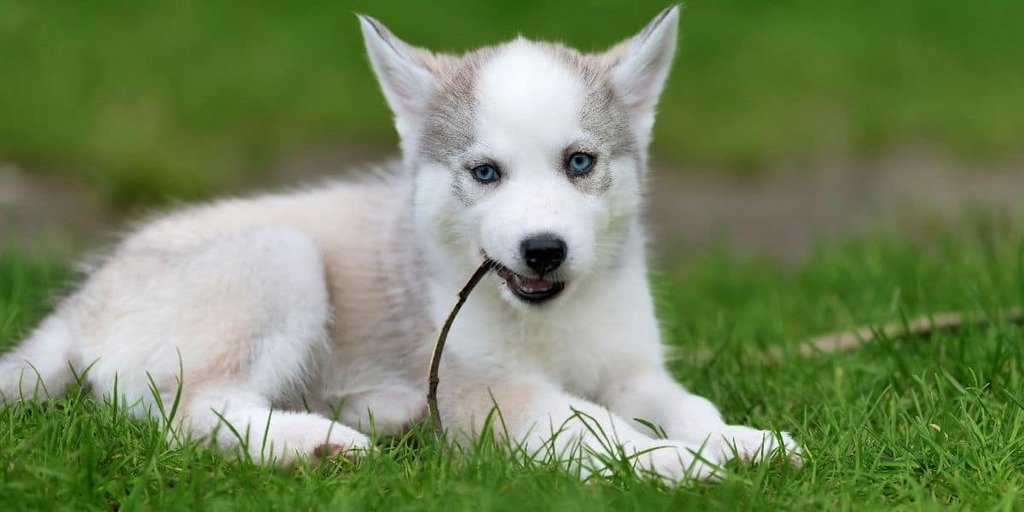
There is something magical about a dog’s ears. All the puppies belonging to different breeds have floppy ears when they are born, but husky’s one grows into perked up ears with time.

According to the breed standard, the ears of Huskies do stand up. Normally, ear erection in Husky dogs start from the age of six weeks, but in some cases, it delays up to six months.

It is important to maintain a quality diet and add all the necessary vitamins and minerals into the ration for your husky puppy, as calcium deficiency and lack of other vitally important nutrients tend to be the main reason for huskies to have floppy ears.   

You cannot set a time for the erection process as it varies in different breeds. Similarly, the Siberian Huskies have floppy ears when they are just puppies, but, with time, these ears develop and begin to perk up. The erect triangular ears of the Siberian Huskies can quickly help you to guess what they feel.  

When Do Husky puppies ears stand up?

There a couple of reasons due to which your Husky’s ears tend to stand up, including his age.

The erection starts from the age of 6 weeks.  Before your Husky turns 6 months old, the ears should completely perk up. The erection of ears takes time because initially, the bones and cartilages of the Husky’s ears are in the process of growing. Some dogs have floppy ears, even if they are above six months.

As the dog grows older, these cartilages and bones become firm. The weak cartilages, if not treated properly, can cause long-lasting hearing problems. 

How to tell if your dog’s ears will stand up?

Usually, the ears of all puppies stand up at a certain age. In case you are curious, and you need to figure out that when will your puppy’s ears stand up or will they even stand up at all, you should check your puppy’s ears. If your little one’s ears stand up when he gets excited, they will probably stand permanently by the time he is six months or when the period of eruption of permanent teeth is over

Another way to guess if your puppy’s ears will stand is by noticing where the ears are set on the head. The ears that stand partially tend to be set erect on the head and closer together.

What Influences the Husky’s ear growth?

Several factors influence your Husky’s ear growth, including their diet. Diet is an essential factor for every living creature; the same is the case with Huskies. A Husky’s diet is necessary for his entire body, including his ears. Calcium deficiency also hinders the growth of Husky ears. 

The best way to overcome this deficiency is by adding vitamins and quality supplements to their diet. Calcium will also help to strengthen their muscles around the ears. 

Avoid: [scrubbing the top of your little one’s head with your hands and even snuggling with them can affect their ear’s growth. You should avoid doing this at the early age of your husky puppy because their bones and ear cartilages are still in the process of growing and developing.] 

Is My Husky Has an Ear problem?  

Floppy ears are technically a defect, and Huskies, along with all other breeds, have floppy ears when they are just puppies.

Symptoms of an ear infection include head shaking, lousy odor, itchiness, and pain, swelling, and redness. Complicated and severe infections can take months to resolve, whereas uncomplicated infections take a week or two.  

If the floppy ears of your Husky are not growing into mature erect ears, you should check whether there is any mineral deficiency in them or not. Floppy ears in husky dogs are pretty average and the most vital thing is that you should ensure that you clean them adequately. 

Moreover, ear infections are quite a typical condition in all breeds of dogs. Similarly, huskies also have ear problems, especially when you do not clean their floppy ears properly. The bacteria in the dog’s ear wax causes infection in the ears if not cleaned for a long time. Yeast and mites can trigger ear infections in dogs as well.

Siberian Huskies are less likely to have infections because they have erect ears. The perked up ears allow proper airflow, and this helps in preventing bacteria along with diseases. The time when they have floppy ears, they require more care. 

You should consult your vet if you find any of the symptoms mentioned above. He will clean your puppy’s ears thoroughly by using a medicated cleanser. If he sees something severe, he’ll prescribe proper medication.

How to Clean and Take Care of Puppy Ears?

Husky’s ears require a lot of care and attention. You can also ‘train’ your Husky’s ears to stand up before the due time. Some of the essential points to take into consideration regarding your Husky’s care are:

  • Ensure that you clean them at least once a month, depending upon the dirt stuck inside.
  • You should make sure that you properly dry your Husky’s ears after swimming or bathing. Excess moisture is a cause of ear infections. 
  • Make sure you clip the hair grown inside the ears of dogs; this will help in preventing ear infections. 
  • Take your little pup outside for a walk, fresh air help strengthen the immune system and help relieve stress.
  • In particular, it is best to let your Husky’s ear grow and develop with time. You should ensure that you avoid fondling and caressing your pup around the ears area, to prevent the cartilage from breaking. 

Things to avoid:

  • Some people tend to massage the Husky ears to improve pointedness, but this might prevent them from erecting. 
  • Many people recommend taping until the ears of their puppies do not stand on their own. There is no certainty that this will work. This can lead to paw discomfort and also in weakening the cartilages. Even if you decided to do the taping, remember to cut a bit of the puppy’s ear fur to prevent stickiness and pain.  

Ear Cleaner for Huskies 

Being a Husky owner myself, I completely understand the struggle and fear of identifying the best cleanser for your puppy. I have got my hands on many products and after profoundly analyzing numerous customer reviewed ear cleansers, I found TropiClean Ear Solutions for Dogs on Amazon, which seems the best option in terms of showing effective results for my huskies.

Why Does my Husky Have one ear Up and one Down?

Ears are the most important organ of dogs in terms of communicating. Huskies have erect and perked up ears. The erected ears are a great sign to check your Husky’s mood that your dog is happy and wants to play. On the other hand, if you notice both ears dropped, they may be anxious about a particular thing. 

If one of the Husky’s ears is up and the other is down, you do not need to worry. I’ve been through this when my dogs were puppies.

Research shows that the reasons behind this action were that either the dog is just being submissive and is hearing what you are saying or the dog’s pinna is underdeveloped. The solution to this is to wait and let the dog’s ear grow by itself, without forcing it! 

Conclusion

You do not need to worry if your Husky’s ears are flopping or are pointing downwards. It is normal, and once your pup is a grown-up, the ears will begin to perk up. Of course, there are many ways to train your Husky’s ears to erect up, but the best way is just to let them take time and grow on their own. Make sure that you take good care of your Husky and ensure regular cleaning of their ears. 

Husky Health Issues

Husky Health Issues

Siberian Huskies are robust dogs and can be expected to live for 12 to 14 years. However, their lifespan may be cut short due to several health problems that we’ll discuss in this section. Some of them are older Husky problems, while many others develop early on.

Hip dysplasia and a number of eye issues are the main ones to look out for when selecting a husky puppy.

Here is a summary of these problems and what you can do to help select a healthy puppy.

Hip Dysplasia in Huskies

Hip Dysplasia is relatively common in larger dog breeds. It is a genetic fault resulting in an abnormal formation of the hip socket. The head (top) of the thigh bone does not fit snugly into the pelvic joint socket, causing pain and arthritis. The effects can be anywhere from mild to debilitating for the animal. Hip dysplasia affects both male and female huskies and can affect either or both hip joints.

Hip dysplasia develops over the husky’s early life, and by 18 months is usually present if it were to occur. Identification in young puppies is not possible, but because it is a genetic defect you can minimize the chances of acquiring a puppy prone to dysplasia.

The good news is that through careful breeding the complaint has had a marked reduction over the past decade and is not the widespread problem it once was.

The Orthopedic Foundation For Animals has a registry with a free search facility on its home page. You can look up information on a dog you are potentially acquiring to see if it might be prone to dysplasia.

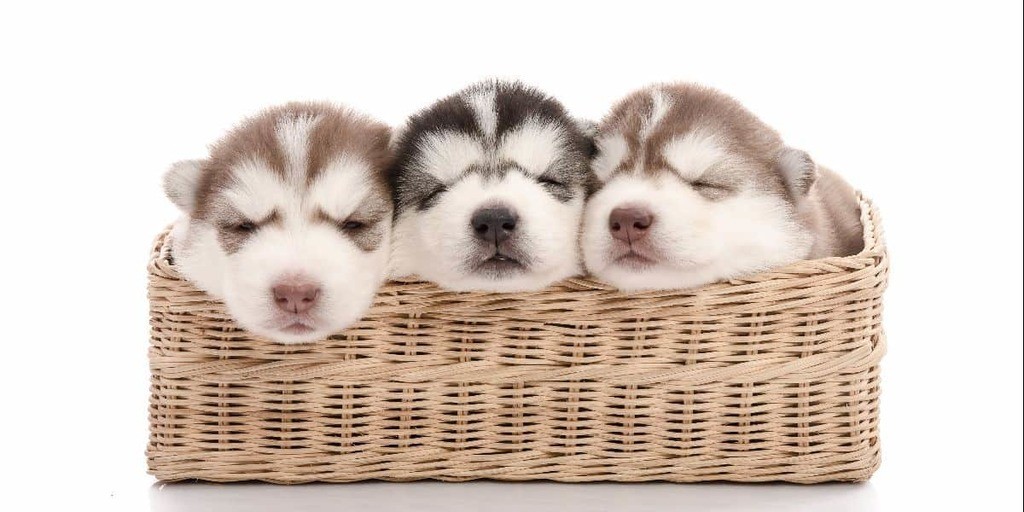
A dog that has acquired hip dysplasia will need to be carefully managed via weight control (keeping the dog from growing overweight) and exercise control (not too strenuous to cause discomfort or inflammation). There is medical treatment available, and even surgery, which has good success rates but the costs can be high.Sleeping husky puppies

Eye Issues

There are a number of eye issues affecting Siberian Huskies.

  • Hereditary cataracts (also known as juvenile cataracts) affect puppies as young as three months old and cause anything from a mild decrease in vision to complete blindness.
  • Corneal Dystrophy starts to affect young adult dogs and affects female dogs more than males.
  • Progressive retinal atrophy is another problem that initially decreases the effectiveness of night vision, followed by day vision and blindness ensues.

Detection is not possible for newborn puppies. Eye issues affect a small percentage of huskies (less than 10%) and you can minimize the chance of acquiring a puppy with eye issues by talking to the breeder before adoption.

Related: How to Choose a Husky Puppy From the Litter?

Hypothyroidism

Hypothyroidism in dogs is an autoimmune, genetic disease that reduces the thyroid function in the body. If you’re not aware of that, the thyroid gland regulates the body’s metabolism. So, messing it up can lead to lots of problems.

Dogs that suffer from hypothyroidism show hair loss, dullness in their coat, lethargy, and weight gain. For a Husky that’s supposed to have a beautiful coat with a dynamic personality, Hypothyroidism would be the worst-case possible.

What You Can Do to Avoid Health Problems?

Husky puppies should be acquired from a reputable breeder – one that has a history of producing healthy animals and does not shy away from answering all of your questions. Ask about the health of the animals and what the breeder has been doing to minimize genetic defects.

A good breeder will be upfront and honest and although no breeder can say their animals are 100% perfect, they might be able to provide some sort of guarantee against certain conditions. Any breeder you deal with should be able to supply paperwork to establish the bloodline of your animal as well as genetic test results explaining potential defects present in the puppy.

If you are looking for a husky breeder check out our breeder directory to see if there is a breeder near you. There is a breeder directory for those within the USA, plus another for our international visitors.

Don’t forget the Orthopedic Foundation For Animals free search facility for animals prone to hip dysplasia, but if your animal is not listed you should get in contact with a local Siberian Husky dog club for some local advice. 

Siberian-Huskies-in-Apartments

Can Siberian Huskies Live in Apartment?

The complete guide to Siberian Huskies in apartments

Are you considering raising a Siberian Husky in an apartment, or other small dwellings such as a flat, unit, bungalow, or inner-city townhouse? Be careful because you might have problems with noise and howling, exercise requirements, or space limitations. Whilst keeping a large dog in an apartment is not easy, it is possible to achieve harmony between you and your pet. Here are some things to think about before you adopt that cute Husky puppy and bring him or her home.

Can a Husky live in an apartment?

You can raise a Siberian Husky in an apartment. Give your dog a lot of exercises, and make sure the environment inside the apartment is suitable for a medium-large sized animal.

But there are some big challenges ahead. Very big! Not many Husky owners can pull it off.
Husky in apartment cartoon That little puppy you bring home is going to grow up pretty quickly.

Your small living environment might seem large to a 9-week old pup, but by 1 year the dog will be nearing adult size. Huskies can grow quite large, around 50 pounds and 23 inches tall. Key questions you need to ask yourself are:

  • Will my Husky have enough room to stretch and walk around?
  • Do I have shelving, tables, and other furniture resistant to bumps, chewing, and slobber?
  • Have I got the time and patience to clean up after my Husky if he or she makes a mistake? sheds hair? picks up objects and drops them all over the floor?
  • Can I isolate my Husky in a room if he or she is misbehaving, you have guests around or small children?
  • Does my apartment get hot? Huskies prefer a cooler and well-ventilated environment.

Don’t kid yourself, raising a puppy in an apartment is a challenge at the best of times. Huskies have special needs that make the job even more challenging.

Alternatively, you could get a miniature Siberian husky as well. Miniature Huskies are a bit smaller, therefore it will require a bit less space and of course maintenance too. 

Dogs in rental properties

If you are renting your home then you need to check with your landlord about what pet ownership rules apply. If you own your property then you still need to check with your building manager or body corporate. Some landlords are fine with dogs as long as they know in advance, but many places prohibit dogs of a particular breed, of a large size, or all dogs regardless.

Before considering bringing home any dog to a rented home you need to check out the rules that apply to your building. You should find these in your lease agreement, and it wouldn’t hurt to ask your property manager as well.

One reason dogs (and other pets) might be prohibited is the likelihood of complaints from other tenants. Many complaints about pets in apartments boil down to two problems: noise, and property damage.

Noise

Huskies are going to howl or bark if they are bored. It isn’t much you can do about that unless you are going to be around your dog all day long then there is a pretty good chance they will make some noise when you head out the door. And because apartments tend to be in very close proximity to each other, that noise travels easily.

You will want to approach your neighbors and get their feedback before introducing a dog into your complex. Let them know that there might be noise, and invite them to talk to you directly if they have concerns. The last thing you need is a landlord, or worse the local animal police, at your door responding to complaints!

Property Damage

Damage to property is another concern to landlords. Dogs have been known to scratch on walls, bump into things, and chew on anything in reach. Again this behavior is symptomatic of boredom and it will be your responsibility to keep your husky happy, and if necessary, pay for those repair bills.

Exercising Husky in an Apartment

Siberian Husky chilling on the couch in an apartmentHuskies need a lot of exercise. In an apartment, they need even more because they can’t get up and run around easily in the limited space available. You need to be willing to exercise your Husky every day no matter what! Whether rain, hail, or shine, and whether you are tired, sick, or hungry.

This goes for whether you live in an apartment or house of course, except that the chances are your dog will need to be exercised and played with two, maybe three times every day to avoid it turning destructive. Huskies often need more than walking. They like to get up to speed and have a run.

It would be ideal if your apartment is near a large park where your Husky can move around more, chase balls, and experience nature.

Potty Training an Apartment Dog

Housebreaking is an essential training activity for your puppy. We already have some housebreaking tips for Siberian Husky Puppies that you can check out. The same principles apply: get into a routine with meals, look for repeated behavior in your pet to suggest he or she is “about to go”, and head outside if you can.

Because you are unlikely to have a yard to let the Husky out to, and it might not be convenient to head out (e.g. you live up a few floors, or it is snowing outside) you will need to make a space in the apartment where he or she can do its deed.

Out of living and eating areas is a good idea, so hopefully, you have a suitably sized bathroom or laundry where you can lay down a large litter tray. You can use “pee pads” or “puppy pads” which are flat pads, kind of like diapers, that soak up the liquid. I really like this one All-absorb Training Pads on Amazon. You also want to be sure your apartment has sufficient ventilation to keep the air cool and dry.

Many apartments have limited options for opening windows and your Husky will suffer if it is left in warm stuffy environments, not to mention the smells that will accumulate.

Can I Leave My Husky Home while at Work?

Sometimes you will need to leave your husky in the apartment while you go to work, head down to the shops, or go out with friends. Hopefully, you are working hard at training your dog, particularly trying to keep him or her out of trouble. If not, just check these general tips on how to train your husky puppy and have an idea of where to start.

That means not wrecking the house! Crate training is likely to play a big part in this as it might be your only effective solution to restraining your dog. A checklist of things to think about when leaving your dog alone is:

  • Does it have clean water?
  • Does it need food?
  • Has it got a toy to play with? A KONG toy is popular and effective.
  • Is there sufficient ventilation?
  • It is not too warm, not too cold?
  • What if your puppy needs to go to the toilet?
  • Is he or she likely to howl, and which neighbors will be affected?

You also might want to consider starting with shorter ‘trial’ trips out of the home to see how your Husky behaves. Even as something as sneaky as head outside your door and sit in the hallway for half an hour to see what happens. Or if you need to go out for longer, get a friend or neighbor to drop in and check that everything is ok.

If you plan on leaving your husky home all day while you head out to work… well… good luck! It can be done but you will probably need a very well-trained and exercised dog. A long walk or jog in the morning, and another one when you get home, is probably what you need to give your dog to keep them stimulated.

And if you aren’t sure…

If you think you are up for bringing a Siberian Husky Puppy home to an apartment but want to make sure you can handle the responsibility, you could contact a local dog rescue organization. You might be able to foster care of a dog for a short period of time to see how you both go. If nothing else you will be doing your bit to help unwanted pets end up in the pound.

Keep these tips in mind if you live in an apartment and considering a Siberian Husky. 

It is not an impossible feat, but you want to be sure you are up for the challenge and special commitment that will be required of you. Still unsure? Check out this Q&A video from a Husky owner:

Feeding-Husky-Puppy

Feeding Siberian Husky Puppies

Husky Feeding Guide

So you are about to, or already have picked up your Siberian Husky puppy from the breeder. What food do you feed it? And what feeding practices are best to ensure the puppy grows up healthy? Here are our tips for feeding your puppy...

Take the breeder's advice

Hopefully you have taken our advice on finding a good Husky breeder and have been given a sheet of information with feeding instructions. The puppy's digestive system takes a little while to develop so it is important you follow the directions.

Typically you will engage in the same feeding rituals with the same food that the breeder has been using, at least until the puppy has settled in to his or her new home. Once settled you can then slowly begin to experiment with different foods and feeding habits.

As easy as 3-2-1

When the puppy is small it will not have a large stomach to eat meal sizes typical of an adult dog. You will want to start with three small meals a day, and move to two, then one.

Up to the age of 3 or 4 months, your puppy should eat in the morning, early afternoon, and early evening. Between 4 and 8 months (give or take a month) cut back to two meals, then by 9 months your puppy will be large enough to get through on one meal a day. 

Watch the weight

Siberian Huskies have a metabolism different from many other dogs. They are bred for harsh conditions and being able to work over periods of time with little food. For that reason you should hold back a little on the recommended meal sizes printed on the packaging of food.

 If your puppy appears to be getting overweight you can cut back some more.  If the ribs are pronounced then maybe increase meal size.  Check this weight chart by weeks/month,  to know  if your puppy on a right path. Also, do not hesitate to ask  your vet  to give specific advice on the feeding and health of your puppy. 

Consider feeding your puppy a premium food mix. Don't let the price fool you: cheaper mixes often have "filler" that requires a greater amount of food to be fed to achieve the required nutrition. Plus you want to make sure your puppy gets all the required protein, vitamins and minerals required for it to grow up healthy. Choosing a high-quality dog food to ensure a well-balanced diet will only help that. 

What to avoid

Like all dogs you want to stick to meat and vegetables. Avoid table scraps, cooked bones, onions and significant amounts of dairy. These can make dogs ill. For example cooked bones can splinter and cause significant damage to your dog's internals. Chocolate is also a no-no, it is very toxic to dogs. For more specific advice on foods to avoid click here for some specific advice on foods to avoid.

Also avoid having the dog hang around the kitchen. It will be easier in the long run if your dog has its own dinner time, separate from your family's dinner time.

Treats

The good news is you can treat your dog occasionally. Perhaps a biscuit every now and again, and little treats during training. See our advice on snacks and treats for more information.

Meal time behavior

Try to stick to meals at similar times each day, so that your puppy can get used to the behavior. After your puppy eats it might be time to take him or her outside to poop. Check out our advice on housebreaking your Husky puppy for further tips on this. Don't forget that your puppy needs fresh clean water AT ALL TIMES, and especially in that hour after a meal. The water helps digest the food and keep your puppy hydrated.


Feeding your Siberian Husky puppy is easy if you use common sense. Take your breeder's advice, start with small frequent meals and over the first year of growth pull back to just one meal a day. Treats are fine. If you think your dog is over- or under-weight, get it checked out by your vet. Shedding pounds off an overweight Husky can be a big challenge!

Husky Feeding Guide Video


Husky Raw Diet

Feeding your husky raw food is possible, though is recommended to be done all at once. If you choose to go this route it is recommended not to mix kibble with the raw meat as their bodies will digest it differently. Check out this video below about Gohan the husky who was switched over and is now raw feeding.  In the video his own discusses his meals, his health, and the changes he noticed after the change over.

Conclusion

We hope that this has helped you in figuring out how to much to feed your husky puppy and if you need some help in choosing food, check out this guide to the best dog food for huskies.

Let us know what worked for you below in the comments! We always love hearing from fellow siberian husky owners!

Choosing-Husky-Breeders

Choosing A Siberian Husky Breeder

How do you choose a Siberian Husky breeder to acquire your new puppy from? What separates bad breeders from good ones, and good ones from great ones? Here are the things you need to consider when dealing with breeders of Husky puppies and looking for a new pup.

Initial Research

First, look for breeders in your area. You can use our Breeder Directory as a starting point, or the SHCA Referral Directory, and also consider breeders in your neighboring states if there aren’t many local to you. You want to be able to visit the breeder, on at least two occasions, so it makes sense to choose from breeders you can easily visit. Buying from a breeder that will freight the dog to you, without checking you out first, is a sign of a breeder who is more interested in selling puppies than finding the right one to match your requirements.

Sleeping husky puppies

It should go without saying (but we will say it anyway) you should avoid pet stores, puppy farms and any other party who you suspect is not breeding for the betterment of the Siberian Husky breed. By working with a responsible breeder you are likely to get a healthier puppy that is socialized, pay less for the puppy (no retail margins), and are helping to stamp out poor breeding practices.

You should also start forming a relationship with your local vet and ask him or her for referrals to local breeders, breeding clubs, or Siberian Husky clubs that can help you locate a breeder.

Before visiting a Husky breeder always give them a call first – nobody likes unannounced drop-ins! They might out presenting their dogs at a show (another good sign they are working on improving the breed). You should ask them if they are members of any breeding clubs, and/or who mentored them: either of which is a sign of a dedicated breeder. You should ask about their history with the breed: why did they choose to breed Siberian Huskies and how long have they been doing it for? This will help avoid inexperienced breeders.

The breeder is also likely to ask questions of you and what kind of puppy you are looking for, what environment you live in, and other questions to help decide that you will be a responsible pet owner. Beware of any breeder that encourages you to rush your decision without checking you out.

Responsible breeders do not breed every year, and it is likely that you talk to kennels that do not have any puppies available at all. You can ask for referrals to other breeders: good breeders know other breeders in the vicinity. You might even need to be patient and wait a number of months until new litters are born. The breeder will most certainly be able to keep your details on hand for that event and contact you in the future.

First Visit

Three Siberian Husky puppies from a litterOn your first visit, your aim is to evaluate the breeder and the premises and start forming a relationship. A good breeder will show you around and let you inspect where the puppies spend most of their time. A clean and maintained environment is what you are looking for.

Also, do the puppies seem happy to have you around? Responsible breeders will socialize dogs early and get them used to new sights, smells, sounds, and experiences. If most or all the puppies run away at your sight it could be a warning sign that this socialization has not occurred.

The size of the property, the number of dogs on site, website, advertising, and other promotional material from the breeder is not an indication of the quality of the dogs being bred.

Resist the urge to make a decision on this first visit, no matter how cute and adorable the puppies are! You and the breeder should be working together to find a puppy with a temperament suited to your lifestyle. The breeder should be asking lots of questions about you in order to suggest potential puppies for you. In turn, you should feel comfortable talking to the breeder, asking the hard questions such as the health of the breeding line, documentation demonstrating the parents are healthy and resistant to Siberian Husky health issues such as eye and hip disorders. Registration papers are good but just remember they only demonstrate the parents were registered, and do not indicate the overall health prospects of the pups.

A breeder should be respectful of your decision to visit other breeders and find a dog that suits you. Any breeder who puts the ‘hard sell’ on you is most likely in it for the money, and not the long term future of the dog.

Second Visit and Collection

Siberian Husky PuppyNow you want to start getting serious about making a decision – asking more questions that might have been raised when you visited other breeders. If it takes you a third, fourth, or further visit to help make the right decision then so be it. Breeders are generally very happy to have responsible pet owners visit them, and not let their puppy leave as the result of a rushed decision.

A good breeder will not let a puppy go until at least 8 weeks of age, after the first round of vaccinations and worming treatments. They should be able to provide you with a schedule of future health activities you need to undertake, plus written information on diet and care for your puppy. Desexing (‘spaying’ or ‘neutering’) is also likely to be a discussion point and may have already been taken care of for you. Responsible breeders don’t want to encourage future breeding of inexperienced owners.

Most good breeders, if not all, will be able to provide some sort of guarantee as to the health of the puppy. Responsible breeders will also be willing to take the dog back if you are unhappy, or unable to care for it. If convenient you should be able to get the puppy checked out by your preferred veterinarian just to make sure there are no hidden surprises.

Finally

Congratulate yourself for taking the time and effort to find a responsible breeder! Enjoy your new family member and the years of good times ahead you will have with your Siberian Husky. Be sure to join a local club and also get into training and grooming habits early, because Huskies grow up very quickly!

Vitamins For Siberian Husky

Best Vitamins for Siberian Husky

Are you thinking of buying vitamins for your Siberian Husky? Wondering what the best vitamins or best food are for dogs? Here is our advice on what to feed your puppy to give it a balanced diet, and avoid unnecessary and expensive supplements. Think of it as cheap pet insurance. If you want real insurance for your husky and you wonder if it’s worth your money spend, we were giving some tips and advice before purchasing pet insurance for a husky puppy right here – Is Pet Insurance Worth It For A Puppy

A balanced diet starts with normal food

You probably already know this expression from childhood: you are what you eat. If you eat healthy food, you will feel good and healthy. The same applies to your pets. If you feed them good quality pet food they will feel better and have fewer medical complaints.  Spending a little more on better quality food for your Husky could save you hundreds, if not thousands of dollars in vet bills over the lifetime of the dog. This is especially true for Siberian Husky puppies who need the best food you can afford, to give the dog the best chance at growing into a healthy adult.

What makes good dog food? If you see the words “Complete and Balanced” on the label then that is a good start. The FDA imposes strict rules over the “Complete and Balanced” phrase. Only quality pet food can quote that wording on its packaging. Furthermore, look closely at what is going into the food. Is it real meat with a high protein percentage? Is there other nutritional information such as the presence of vitamins, Omega3 fish oil, or other additives that would benefit the dog? Then that is also a good sign.

Generally speaking the more expensive the pet food the better quality it will be, as quality pet food costs more to produce. It has more meat and less filler. However, this is not always the case. Sometimes expensive pet food isn’t any better than the cheap ones. You might want to ask around your local dog clubs, breeders, vets, and even your neighbors to see what they recommend and where to buy it from.

Do dogs need vitamin supplements?

Vitamins for Siberian HuskiesNo! Well…. maybe.

Tens of millions of dollars are spent each year on pet supplements in the US alone. There are a number of vitamin companies marketing vitamin products; NuVet, ProSense, Nutrivet, and many others. Their job is to convince you that your beloved pet needs their product to be happy.

They also have affiliate programs and advertise on many Siberian Husky websites to make it look like they are recommended for Huskies. The reality is for the vast majority of Huskies do not need vitamin supplements. If you are feeding your dog quality pet food, with some variety or rotation in the meals, then you are doing great!

There will, of course, be exceptions. If you feel that your Husky is experiencing problems such as difficulty moving, appetite problems, or is easily exhausted, then a trip to your vet is warranted. The problem might be diet-related, or it could be something else entirely. Your vet is going to give you knowledgeable advice and help pinpoint the issue.

The problem with guessing and trying out supplements is that the imbalance that your pet might have could be made worse by choosing the wrong supplement. Just like in humans there are some vitamins that are good in small doses, but in larger doses can actually make you feel worse! Feeding your dog the wrong supplement could be doing more harm than good. So take care.

Also, don’t forget there are some foods that disagree with dogs and you want to ensure they are eliminated from your pet’s diet immediately.

What are the Best Vitamins for Huskies?

So having convinced you not to supplement your dog’s diet, there are a couple of things that are generally considered safe to feed to your pet. You could at least try and see if they make a difference.

Glucosamine is a supplement well known to help humans with joint pain such as arthritis, and many Siberian Husky owners swear by its effectiveness on animals. You might already know that Siberian Huskies are predisposed to health complaints such as hip dysplasia, and glucosamine can aid in the discomfort your dog might exhibit.

You can buy glucosamine supplements on Amazon, I use this one – Liquid Health K-9 Glucosamine Hip and Joint Formula. I like this supplement mostly because it comes in liquid form, so my husky has no problem slurping up. I simply add the correct dosage to my dog’s favorite food or water every day.

Omega3 (fish oil) can help with coat and skin complaints, as well as joint pain. Omega3 is sometimes added to pet food so check out the packaging and you might be able to avoid extra supplements altogether. If your Husky has dry or flakey skin, or you just want to improve the health of his or her coat, then fish oil could be beneficial. I normally buy this one – Welactin Omega-3 Skin and Coat Support on Amazon, and my Huskies love it.

There is one particular situation in which a multivitamin for dogs might be of benefit. If you are cooking the dog meals yourself and not using prepared dog food from the supermarket or pet store, then there is a chance that some required vitamins and minerals are missing.

This would particularly be true if you tend to use the same meat and not introduce variety such as vegetables or added vitamins. In this particular circumstance then a multivitamin could help “fill in the gaps” with the nutritional profile. Then again, if you are cooking meals for your dog the chances are you are doing so because you know what is going into the food and, with purpose, introducing variety not present in commercial foods that you can obtain or afford.

Where can I get more information?

Your vet should be your primary source of advice for health issues with your pets. They have the up-to-date knowledge and experience needed to diagnose problems accurately. Since you should be taking your Husky to the vet regularly for a checkup, these appointments are the perfect opportunity to ask the question of whether vitamin supplements are suitable. If the answer is yes, you should narrow down precisely which vitamins the dog requires, and in what quantity.

Conclusion

Siberian Husky at the Vet

Get your vet to help suggest what vitamins might be of benefit

We recommend you do not feed your Husky multivitamins or vitamin supplements without consulting your vet first. At best you might get lucky and your dog benefits from them.

If you are feeding your Siberian Husky quality pet food then there is little more than a supplement can do.  At worst you could be causing an imbalance in your dog’s dietary intake and might cause some harm, even if only mildly.

So if you think you have a problem, take notice of what’s on the label of your pet food, and perhaps try a different brand or nutritional make-up and see if things improve. A simple tweak to the diet might be all that is needed to improve your Husky’s health!

Husky-Play-TIme

5 Play Time Ideas For Husky Puppies

Have a Siberian Husky puppy and looking for games to keep it entertained and occupied? Here are 5 playtime ideas you can try…

1. Fetch and Drop-It

Everyone knows to fetch, and the chances are your Husky puppy will pick it up very quickly. Find a small, durable, rubber toy that can fit in your puppy’s mouth, but is not so small that he or she might be tempted to eat it. Balls are great because they bounce along the ground and help train your puppy to predict moving objects.

Just as important as retrieving the toy is dropping it on command. Use a simple command such as ‘drop’ and be sure to use feedback and treats to encourage this behavior. The drop command might come in handy later if your puppy likes to steal other things around the house, such as your shoes and socks!


We found KONG Squeaker Tennis Balls to be a great toy for playing fetch and drop with your husky. We tested different sizes and the medium one seems to fit perfectly since your husky still would be able to chew it, which is what they like to do as well. 

2. Freeze

If your puppy likes to get excited and boisterous (and Huskies are likely to) then try this game of bringing things to a halt. When the excitement is high and your puppy is bouncing around, call ‘freeze!’ and stop.

Totally freeze up: in movement and facial expression. Sure your puppy won’t understand this at first, but when your puppy does quieten down, give some positive feedback and a treat to acknowledge he or she is doing the right thing.

Like ‘drop’, the ‘freeze’ command will be handy later on when your puppy gets out and about. Being able to bring an over-excited Husky to calmness in public areas, or when guests are present, is an essential skill.

3. Find the Toy

If your puppy has a few toys there is a good chance it prefers to play with one in particular. So give this toy a nickname to identify it – the name doesn’t matter so just pick a characteristic that is easy to remember. For example, if the toy is a rubber chicken, you might call it ‘chookie’.

Now, use this name whenever your puppy picks up that toy. Over time your puppy will learn the association with your nickname and that toy, which you can use during fetch. Furthermore, you can hide this toy around the house or yard and ask your puppy to ‘find chookie’. Once this toy is “learned” move on to other toys or objects. Dogs have a remarkable ability to learn words and Siberian Huskies are no exception.

4. Treat Toys

A chew toy such as a Kong or Nylabone is going to keep your puppy engaged for long periods of time, and the toy itself should last months or years of heavy chewing abuse. Our favorite is a Kong toy (you can check the price on Amazon here)

Typically, stuff a Kong toy with dry dog food in with peanut butter and leave it to your Husky to get the treat out. For an added challenge, we freeze it for 4-6 hours before giving our huskies to play.

We like to stuff it with any treats, peanut butter, cheese whiz, a mixture of kibble and yogurt works for us as best, or literally with nothing at all – it doesn’t matter, your husky will go crazy for this toy, particularly if they’re a chewer or chaser!   

This is a great toy to leave a dog that is left alone in the yard. A Husky’s temperament is inquisitive and, if left to become bored, may become destructive.

So a toy such as this is a good distraction if you are out or unable to keep an eye on the dog. It also can prevent so many behavioral issues, like destructive chewing or excessive vocalization from boredom or anxiety. 

5. Soccer

Find a ball that is too large to fit in your Husky’s mouth, and reasonably soft or bouncy, and simply play soccer with him or her. At first, your puppy might try to grab the toy in its jaws – but after he figures this can’t be done he will start pushing it around. A good alternative to fetch if you don’t want puppy slobber all over your hands!


Whatever game you play just be aware that a puppy can tire out quickly, so limit physical exercise to 10 minutes at a time before rest. As your Siberian Husky puppy grows, you can extend this playtime, plus of course mix it up with walking or jogging your dog for exercise.

Husky-Grooming

Siberian Husky Puppy Grooming

Siberian Huskies are surprisingly good at taking care of themselves, licking themselves clean much like cats. However they do need particular attention paid to the coat when they molt, plus a regular grooming session once a week can help keep your Husky puppy looking fabulous. And who doesn’t want a fabulous-looking Husky?

Grooming For Young Husky Puppies


It is really important to start grooming Siberian Huskies early in the puppy stage. Their coats develop within weeks of birth. Also in the first 12 weeks of their life, they are most accommodating in learning new behaviors and routines that will last a lifetime. However if you have adopted a dog that has grown out of its younger puppy stage, it is never too late to start!

How often should you groom your Husky?

Once a week, for the life of the dog, you should do some basic grooming. It is important to stand the dog up to get it used to be groomed in this fashion. A standing dog makes it much easier for you to get through your grooming tasks efficiently and effectively.

A weekly brush of the coat will help keep it neat and tidy and dislodge any loose hairs or dirt that might be stuck in there. Brushing also helps avoid matting. Matting is likely to occur if you don’t brush your dog, and he or she likes getting wet in the rain, snow, and ice. You can find more tips about brushing, as well as our favorite tools we use right here – “The Best brush for Huskies

Molting

The molting (hair shedding) process usually happens once a year as the weather starts to warm up in spring and summer. Some dogs might shed twice a year, and some none at all, depending on the environment. A young Husky puppy is unlikely to fully shed in its first summer but might drop a few hairs around. When your puppy reaches 10-14 months old a major shedding will occur as the “baby” coat makes way for a thicker adult coat.

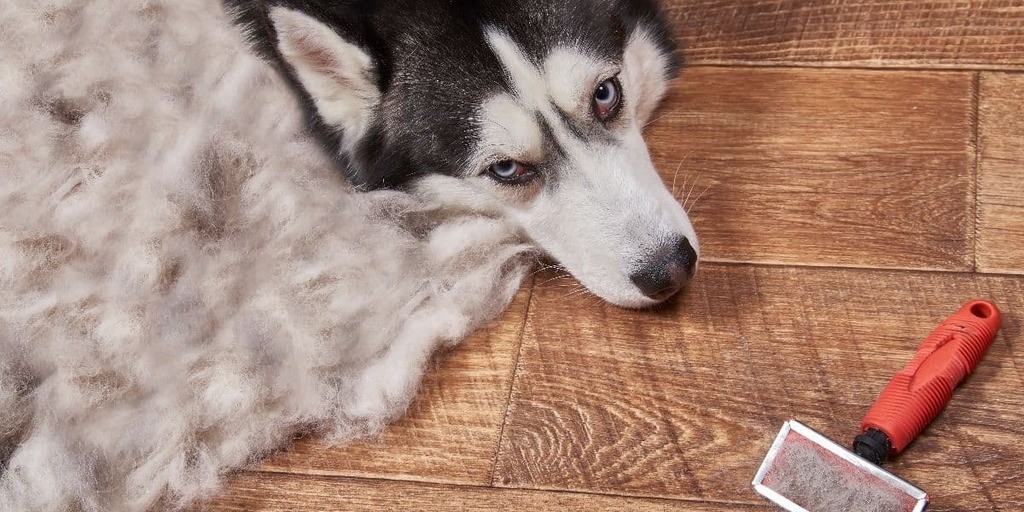
The molting process will typically start with a few sprinkles of fur dropping loose before the real action begins. A Siberian Husky will shed a lot of hair. A LOT. The bigger the Husky is, the more hair it will shed. If you have ever seen how much wool a sheared sheep gives, you are on the right track.

You will need out your Husky with some brushing. You can start with a larger, wide-toothed comb and brush out as much loose hair all over the body. Look for a comb or rake with rounded teeth (like this one  –PawsPamper Extra Wide Undercoat Rake) to avoid scratching the dog’s skin. You can use a fine-toothed comb for the head and neck areas where the fur is thinner.

Here is a video that shows just how much effort is needed to keep your Siberian Husky looking good, and how much hair can be shed in just one grooming session:

Washing

Most owners will only give their dog a bath once a year, after shedding. You could get your dog professionally washed, or you could take your dog down to a local hydro-bath to do it yourself.

If you have the space you can do it at home – just make sure you use a shampoo formulated for pets and follow the directions on the bottle. After washing you may towel-dry your Husky and, if you feel it is necessary, a light blow dry with a hairdryer at its weakest heat setting.

After the dog tries this is a great time to apply any flea, tick, and other parasite controls that dogs in your area require.

Other Grooming Activities: Eyes, Ears, and Nails

For the eyes simply grab a damp cloth to wipe the area clean of excretions, dirt, etc.

For the ears check once a month for signs of infection, mites, or other parasites. Any redness, discharge, or unusual odor will require a visit to the vet to check it out. There are also ear-cleaning lotions available that you can apply yourself if you want your Husky to look its best.

Nail clipping needs only be done from time to time. Once a month have a look and see if the nails need a trim. It really depends on the environment your dog is into whether nails are under control or not. Like all grooming, the earlier you start the better. You can start clipping the nails of a puppy at just 4 weeks old to help it get used to the sensation of the clippers.

Things To Avoid 

  •   Over-washing your Siberian Husky is a no-no. Oils secreted by the skin help protect the dog. Bathing will wash those oils away. A bath just once or twice a year is fine, or of course if your dog finds its way into something really messy and needs a helping hand.
  • Shaving the coat of your Husky is also to be avoided. The outer coat helps repel water, whilst the inner softer coat insulates the dog from both the heat and the cold. Let the coat do its job and you will have a happy Husky.

Finally, like all pets, clipping whiskers is not necessary. The dog doesn’t like it.

Your lovely young cute Siberian Husky puppy is going to molt. You can not avoid it, so get used to it! Importantly, start with some basic grooming as early as possible so that your puppy gets used to being handled. You might have to brush and vacuum up the hair left behind, but think of it this way: at the end of the molting process you are going to have a dog with a lovely coat to protect him or her for months!

Husky-Pet-Insurance

Is Pet Insurance Worth It For A Puppy?

Although pet insurance might sound like an unfamiliar concept to you, it’s getting popular with every passing year. For example, the number of people that bought pet insurance in the UK increased from 2.8 to 3.8 million from 2013-2017, with about 2.1 million GBP being paid daily in insurance claims.

Rising vet bills in recent years have given popularity to insuring your pet. But before you jump in, there are some things you need to know to answer the main question: “Is insuring your husky puppy really worth it?”

Pet insurance basics

When shopping around for pet insurance you will come across some terms which are key to understanding and comparing insurance options:

  • Recurring cost – which is your cost-per-month for insurance. Most insurers will offer a yearly payment option that offers a discount over the monthly rate.
  • Deductible – known as the excess in some countries, this is the minimum amount in dollars that you contribute to a claim. If your deductible is $500 then you must pay the first $500 of a claim, regardless of whether your claim is for $550 or $5000, and regardless of the reimbursement rate.
  • Reimbursement – this is usually presented as a percentage such as 80% and represents how much of the total bill you will get back from the insurer. So if the reimbursement is 80%, and the cost of treatment is $10,000, you will get a check from your insurer for $8000 if the claim was approved. Note that there might be different rates for different treatments so be careful.
  • Maximum claim – You might be limited to a maximum amount (in dollars) claimable in the pet’s life, in a year, or even for a single accident or illness. You should look through the insurance policy fine print to find this information because it might not be presented upfront when shopping.
  • Exclusions – Again you need to look at the fine print. These are the services or treatments not covered by insurance. Hereditary conditions are commonly excluded.

Pet insurance price differences

Many factors influence price differences between insurers. These include:

Sick Siberian Husky Puppy

  • Differences in deductible and reimbursement rates. Often you can tweak these numbers to lower your monthly insurance cost, such as raising the deductible.
  • What services, treatments, and products are excluded.
  • The breed and age of the dog: older dogs tend to cost more for insurance, and some breeds are more prone to injury or health issues than others.
  • Your location.
  • The insurer itself: their reputation, their costs, who underwrite them, and many other factors that you have no control over. Simply put: some insurers cost more than others, even for the same policy.

Unfortunately, when comparing pet insurance it is very difficult to compare options. It might help to draw up a chart (or use a spreadsheet) when comparing potential insurers, taking note of what each policy is offering. If you can reduce the policy features to just the ones you are interested in it will make it easier to narrow the choice down.

What to look out for when choosing pet insurance?

If you buy pet insurance, you’ll have to pay a monthly fee. But in case your Husky gets sick, the insurance company will pay for its treatment according to its terms and conditions. But we wish it would be as simple as it sounds. 

Pet insurance Exclusions are probably should be your biggest concern, and this information is likely to be in very fine print and not well advertised. Some typical exclusions include:

  • Certain tests or diagnostics are not included.
  • Pre-existing health conditions that the animal had prior to taking out insurance, whether or not you knew of those conditions.
  • Hereditary issues with the breed. Common health problems with huskies such as hip dysplasia and eye issues may not be covered.
  • Dental work may be totally excluded.
  • Different treatments may have different rates of reimbursement, and even different deductibles.
  • After-hours and weekend emergency care may be excluded.
  • Choice of vet might also be an issue.
  • The amount paid for specific treatments. Some policies have a schedule of treatments and payout amounts, which might be substantially less than what your local and trusted vet might charge you.

Furthermore, when making a claim on pet insurance, almost all insurers will require you to pay your vet first, and you claim the money back from the insurer. It is of little use to take out an insurance policy if you can’t obtain funds in a hurry to pay a bill. It may take a number of weeks for your insurer to accept your claim.

With so many variances between insurance policies, how can you expect to make the best decision?

How to choose the right pet insurer?

As with any insurer, the primary consideration is will they pay out if I make a claim?

You can and should talk to other Siberian Husky owners in your local club, or talk to your vet, or even dog-owning friends and relatives, to find out if they have made a claim and how easy or difficult it was. Search the internet for reviews of insurance policies – just be aware that you tend to only read about the horror stories, not the many thousands of successful claims that happen each year.

Price is also a factor to consider and balance off between the deductible and reimbursement rates. What price you are comfortable with depends on your own personal financial situation.

However, if you have 5 policies in front of you and 1 is abnormally cheaper than the others, you might want to try and figure out why. It could be some key features are missing. Similarly, if a policy is unusually expensive it could be there are features you may never need such as pregnancy care for a female pet.

Alternatives to pet insurance

If insurance seems expensive, and it can be especially if you have multiple pets, there are some alternatives you might want to consider:

Savings FundSick Siberian Husky puppy with collar

For some, the cost of pet insurance is too much, and they prefer to keep a savings fund for that ‘rainy day’. This can often work out cheaper than insurance. If your husky is kept in a secure yard all day, and when out is restrained and not let off-leash, then the chances of him or her being involved in an accident are quite low.

Furthermore, if you did your homework when selecting your puppy from a reputable breeder, who gave assurances as to the health of the animal, there is a good chance you will never incur any significant vet bill for the life of the dog.

There are two big problems with savings accounts that you need to be aware of:

  1. It starts at $0. If your pet develops a problem early in life then the savings account is unlikely to cover all the bills. A pet insurance policy is likely to have a very short or no waiting period.
  2. You have to be disciplined to keep topping it up, each and every week. If you forget, or can’t afford to keep depositing, then the fund may not be there when you most need it.

If you are already a disciplined saver then this option might work out for you.

Other fund types

There are lower insurance levels that cover injuries but not conditions, however as we just mentioned the chance of injury might be very low for your husky. Sometimes these policies are offered almost like a guilt trap if you can’t afford the full-priced policy, and offer little benefit to your dog.

Cheaper services

There might be lower-cost vet clinics in your area, possibly not-for-profit and/or tied to rescue organizations. Universities can also be looked into – some offer services cheaper in return for providing training for students (under supervision of course!).

Euthanasia

It might not be a popular option but it is one we need to mention. For some it might just make more sense to put your pet down instead of paying expensive vet bills, only to have the animal continue to live in discomfort.

Conclusion

Pet insurance is a booming industry – and is it any wonder with vet bills running into $100s or $1000s for a single incident? When shopping around take note of the deductible, the reimbursement, and especially the exclusions in the fine print that will affect your claim. So is it worth purchasing pet insurance for a husky puppy?

  • If you can afford the monthly fees and have spare cash to pay the vet bills right away, and your husky might have some health issues, AND your insurer will pay out for these issues, then YES! Insurance could save you money.
  • In all other cases, we suggest NO! You are better off saving money and accepting the risk. The general health of the Siberian Husky population is getting very good and if you take care of your pet, there is no reason he or she can’t live a long and happy life. You can always take out insurance later in life if your husky seems accident-prone, and spend the first few months saving for a rainy day.