
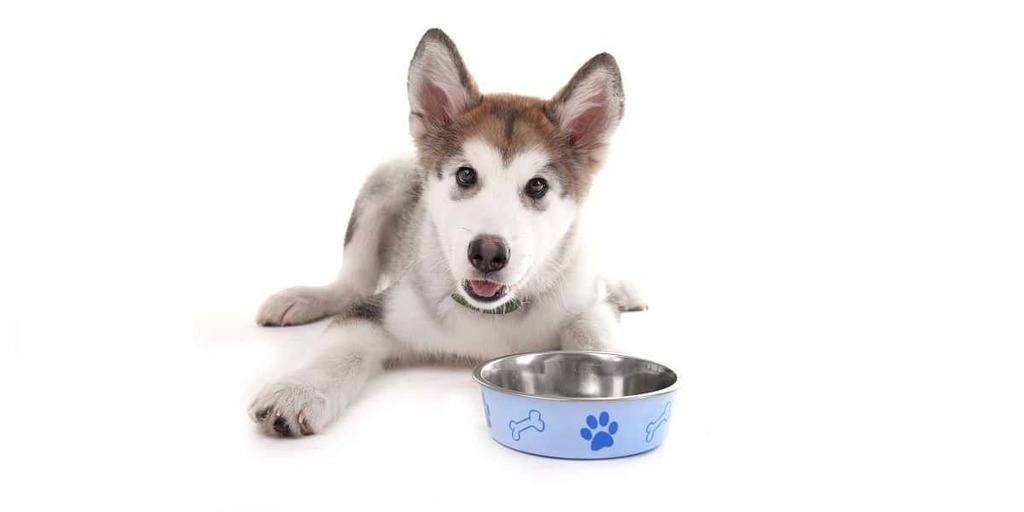
Dogs have special dietary requirements to keep them healthy. Some foods are likely to lead to discomfort, and others are downright deadly. Here are six foods you should avoid feeding your Siberian Husky. This is particularly important in the puppy stage where their smaller mass and less developed immune system can result in more serious and faster effects.
1. Milk and some dairy goods
Although some dogs are fine with milk and dairy, and others can tolerate a small amount, you generally should avoid feeding milk products to dogs. This is because dogs lack a digestive enzyme named lactase, which breaks down the lactose sugars present in dairy foods.
Foods to avoid are milk, ice cream, and more than 10% fat yogurt. Problems after ingestion can include bloating, gas, diarrhea, and other symptoms of an ‘upset tummy’. Accidental and small intake of milk and dairy is unlikely to lead to anything serious and life-threatening, but you wouldn’t want your Husky to be continually upset, would you?
Healthy Alternative:
At online pet stores, you can buy special ‘puppy milk’, which has much less lactose and is safe to feed animals. It’s a great treat and healthy for younger puppies to get calcium to help build strong, healthy bones.
2. Chocolate
 Everyone loves chocolate, right? Well, dogs might love it too, but it is a big ‘NO NO’ to feed anything chocolate to them. This includes chocolate bars (even just a nibble), cookies, brownies, cocoa drinks, licking the beaters after mixing a cake… anything with a chocolate component.
The caffeine and theobromine chemicals present in chocolate are very toxic to dogs. The darker the chocolate, the more cocoa content, and hence more toxic.
Ingestion can cause a wide range of issues including vomiting, excessive thirst, general discomfort, abdominal discomfort, heart rhythm issues, tremors, high temperatures, and so on. Seizures and death are at the extreme (but not unlikely) end of the scale.
You need to be particularly attuned during holiday seasons when chocolate poisoning cases go up; Easter, Halloween, Christmas, Valentine’s Day, etc. These are days where we are more likely to have chocolate lying around the house, on a coffee table, or in a bag.
3. Grapes and Raisins
It isn’t fully understood why grapes and related products (raisins, currants, etc) are a problem for dogs but can lead to serious issues such as kidney failure. Some dogs are fine with these products, others are not. Worse is the symptoms can be delayed from 12 hours to a few days.
Initial symptoms of poisoning include vomiting, diarrhea, and general lethargy. Over the next few days, kidney failure might occur, or long-term kidney disease develops over time.
Don’t forget that cakes, cookies, cereals, and snacks (such as muesli bars or trail mix) often have grape products in them. It isn’t just raw grapes that can cause issues.
4. Alcohol
All types of alcohol should be avoided; beer, wine, spirits, mixed drinks, cocktails, egg nog, etc. Because of their size and metabolism, dogs are more sensitive to alcohol than humans. Puppies are especially vulnerable. Like excessive consumption by humans, dogs will experience vomiting, coordination, and disorientation issues, and in extreme cases, coma and death.
Remember that you might not feed your dog alcohol, but if they go sniffing around the house when you aren’t looking they might just come across it themselves, so keep those drinks locked up!
If you find your husky has consumed alcohol then (again, like humans), watch him carefully until they start to feel better. If your dog is so inebriated they can not stand up and move about, then seek expert guidance from your vet or animal emergency room.
5. Onions and Garlic
 This family of foods includes onions (all kinds), garlic, shallots, scallions (spring onions), chives, and other related herbs and bulbs in the allium family of plants. These contain thiosulfates which are a toxin to dogs when ingested in quantity.
Don’t forget that many packet foods such as soups, spice mixes, and powders contain dried versions of garlic and onion. Onion has a high concentration is of most concern. The thiosulfates damage red blood cells in the dog’s cardiovascular system, leading to lethargy, weakness, and difficulty after even mild exercise. The effects can take a few days to set in so it might not be immediately apparent what has caused the change in behavior.
In the case of suspected poisoning, a trip to the vet is essential to get your Husky checked out and medical options explored. If you get on top of the problem quickly you can avoid worsening the effects, and get the help your dog needs to recover.
6. Avocado
Avocado is an unusual food in that different varieties have different levels of toxicity, and some animals simply don’t feel the effect of it at all. However, you should still avoid avocado to be on the safe side. The toxin is named Persin and can lead to vomiting, diarrhea, and generally an upset tummy. In greater doses, some worsening respiratory and heart issues can develop, even death.
If the intake is small (a bit of flesh) then watch your Husky closely to see if he or she displays any adverse effects. For large ingestion of avocado, you should seek advice. Of particular note is the pip (stone) in the avocado: ingestion of that can lead to significant obstruction problems in the intestinal system and requires immediate professional attention.
What if my Husky ingests one of these Foods?
Head straight down to your vet or animal medical center. They can administer treatment to help get your dog healthy again. If nothing else you can live knowing you did all that was possible to save your Husky (and more than likely it will survive if you act quickly).
Conclusion
Pay attention to what you are feeding your Husky, especially if they are getting leftovers or if food is lying around. The best thing, of course, is to feed your Husky proper dog food which is safe, affordable, and has many nutritional benefits suited to animals.
Milk, chocolate, grape, onions, and alcohol products all should be avoided for the lifetime of your Husky, and particularly at the puppy stage of life. You should stick to regular dog food in various forms and textures to provide some variety: dry kibble, wet food, raw meat, and doggie treats. Don’t forget to lock up your kitchen cabinets or keep your Siberian Husky out of the kitchen. Bored huskies will open anything that can be opened and investigate. Sooner or later they will find something they shouldn’t be eating and will not know any better. So keep your Husky away from human food!
 4. Any time is playtime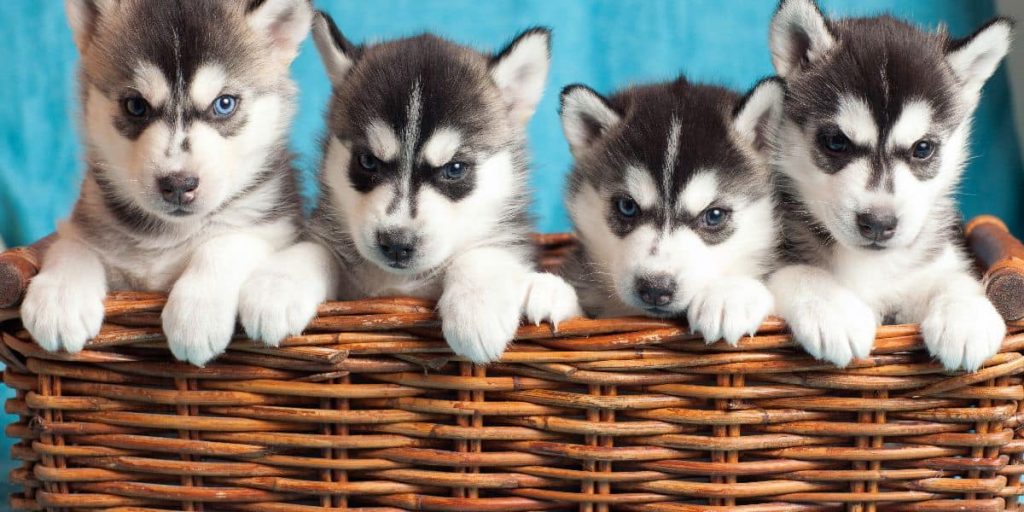
 An energetic puppy that can’t wait to climb all over you might be cute, but is that the kind of dog you want long term? Can you match the energy levels? On the other hand, pups that slink away and show fear of strangers probably have not been socialized properly. For most people, a “middle of the road” pup is the ideal choice. Look for a Husky puppy that engages with you, shows curiosity, and is not outright afraid of strangers.