• You are here:
  • Home »
  • Author's Archive:

All posts by Danny Bainbridge

Siberian-Husky-Facts

10 Fun and Interesting Facts about Siberian Husky

The Siberian Husky is gorgeous to look at and a bundle of fun. Here are ten fun and interesting things about Huskies you may not know:

1. Siberian Huskies are not wolves but evolve from a common ancestor

Huskies originate from Siberia many hundreds of years ago and they belong to the Spitz genetic family which, at least for the last 5000 years has not been influenced by wolves. But as high-arctic dogs, they share some genetic similarities with Taimur Wolf. They may look similar to wolves, but their behaviors are very different.

2. Huskies would rather lick than bite you

A Husky’s behavior is typically fun-loving and energetic. They do not make good guard dogs. In fact, the presence of somebody is likely to excite them and invite play, rather than protect them. They are great with kids and, if you can keep up with their energetic nature, can be great family pets.

3. Siberian Huskies are fast

Huskies were bred to pull sleds and hunt, and need a lot of exercises to fulfill this need in domestic environments. Unleashed they can run 30mph, which is why lead training is so important, and having them off-leash is sometimes frowned upon, or at least risky. Huskies have been bred to run for long periods of time across the wilderness. You might have trouble keeping up.

4. Siberian Huskies shed a lot

And by a lot, we mean A LOT!! Luckily their grooming requirements are quite minimal and shedding only happens once or twice a year.

5. Siberian Huskies are escape artists

Their nature to be out and about can play havoc if left alone unattended for periods of time. Huskies will work independently to find a way out of the yard, so you better make sure the latches can not be undone. Playing with your Husky, especially from an early puppy stage, will help satisfy some of that itch to move about.

6. Siberian Huskies thrive in both cold and warm climates

Originating from Siberia the Husky can survive in extreme cold down to minus 70 F.  They can also live quite happily in warmer environments, sub-tropical and even tropical where their coat insulates them from the heat. However, you do need to be aware that they need more water and may not do so well with extended, vigorous exercise sessions.

7. Siberian Huskies have ears that stand up

Whilst you may think of Labrador Retrievers or Golden Retrievers as larger dogs with floppy ears, the AKC breed standard specifies ears that stand up. But if your Husky’s ears flop down, no need to frown! Every dog is different and it is these little things that make them special.

8. Siberian Huskies may have eyes of different color

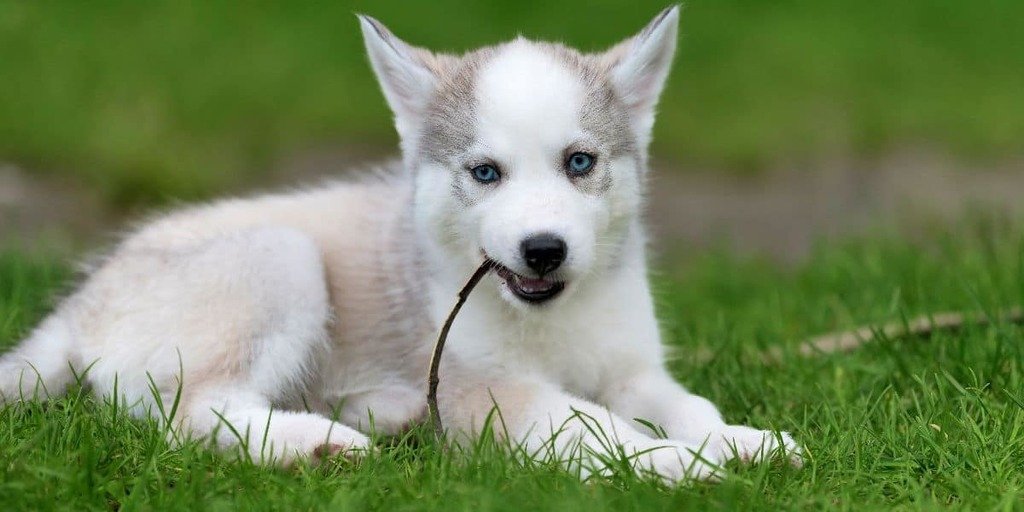
Siberian Husky puppy with different colored eyes

Brown and icy blue are the typical colors of a Husky eye, but sometimes you get one of each! This is sometimes known as ‘parti-eye’ and is quite normal and acceptable for the breed. Even more amazing is they are all born with blue eyes but can change color after a few weeks!

9. History Lesson: Huskies saved the town of Nome Alaska

The famous 1925 Serum run to Nome Alaska saw teams of Huskies pull sleds and vital medicine across Alaska. Balto and Togo were two of the dogs that helped save the town. Now, how’s that for an impressive feat for man’s best friend?

10. Siberian Huskies are one of America’s most popular breeds

The AKC registration statistics reveal Siberian Husky as America’s 16th most popular breed in 2020, and now consistently in the top 20. Who can resist a cute Husky?

Husky Facts For Kids (In Video)

We know that getting your kids to read this post is next to impossible, so we made a short husky fact for kids video to help them enjoy it too. Just click play!

Wrapping Up

Huskies are really cool dogs, and we hope that this list of husky facts gave you some new insight into what Siberian Huskies are and what they like to do. Check out some other awesome husky articles below!

Husky-off-Leash

Siberian Huskies Off Leash

Is it a good idea to let your Siberian Husky (whether puppy or adult) off lead? The short answer is “no”, but the long answer is “maybe”. Here’s why…

Among many dog lovers, there is an opinion that huskies need to be walked only on a leash, and never let off the leash because this is an extremely “runaway” breed, whose representatives are prone to escaping at the slightest opportunity and never return. Of course, there is some truth in all this, as no smoke without fire, but the devil is not so black as he is painted.

Why do Siberian Huskies run away?

The Husky’s heritage is as a sled dog bred for endurance. That means they were “built” for running at a high pace over an extended period.

Furthermore, their natural prey drive means if a smaller animal is in sight there is a good chance they will run after it. That could be a squirrel, a cat, or a small dog. Whether they intend is to attack or just play with the other animal does not matter, they will just go for it. 

Compare this behavior, as an example, to a Labrador Retriever, who was bred to retrieve birds during a hunting expedition, returning the prize to their owner. Quite different to a Siberian Husky, who is mischievous, independent, crazy hyper, fun-loving, weird and so much more!! They were bred to RUN!!!

What this means for Husky owners is that their dog tends to have a one-track mind to chase. Dangers such as roads and cars may be oblivious to a running Husky. Even in a secluded area do you really want to spend the next few hours (or worse, days) searching miles around for your dog?

Probably not. For this reason, you need to consider the possibility that your Husky will never be allowed off-lead when outside your property. The risk of your dog getting into trouble is quite high.

Can you train a Husky to behave off-leash?

Just to let go for a walk off the leash, such a curious and adventure-seeking dog is the top of irresponsibility.

But if you are disciplined in training your puppy effectively and have your Siberian Husky come to you on-demand, you might just be able to pull it off. After all, Husky’s temperament is typically kind to strangers and you are not expecting your puppy to cause problems with people or other dogs.

By way of their independent nature, huskies can be stubborn to train. It takes many months and years to earn the respect of a Husky, and many dogs will still not obey their owners 100% of the time.

If your dog is off-leash you need that 100% assurance that your dog will follow your command, instantly. Exercising your Husky every day, providing the physical and mental stimulation to avoid bad behavior is key to earning this trust, and moderating the desire to bolt.

Where to train your Husky off-leash?

Have a look around for sporting grounds such as baseball parks or specialist dog training parks that are set up for off-lead training. That means no gaps, and a fence high enough for a Husky to jump over.

You might be lucky enough to have such a place near you. Ideally, as your confidence grows you want to try larger enclosed parks, preferably with people and dogs around.

What about outdoor areas with no fences and boundaries?

At the initial stage, always choose safe places, away from cars and highways. Take your husky into the open field once you gain enough confidence. This madness is worth seeing! Husky racing through space at sound speed.

Nature is the best place to practice obedience. He/she will be grateful to you. It is noticed that the Siberian rarely escapes from open, viewed space.

What do you want is to avoid the areas in which you might lose visual sight of your dog. Also places where small animals roam such as squirrels or cats.

How to train a Husky to come on request?

Husky recall training is the key to reaching the end goal of feeling comfortable having your dog off-leash. The ability to call back your dog on demand is critical to keeping him or her out of danger and not be a nuisance to you and others around you.

Siberian Husky on a leashYour work starts in your own yard. You should be able to call your Husky to you at any time and they will arrive. Initially, you might need to use food rewards to associate your words with the desired behavior. For example, if you yell “Cassie, come!” you want your dog Cassie to stop what is she doing, run up to you, stop and sit.

Start by reward the dog with a small food treat when they come. When they get the hang of that, only issue the treat if they stop and obey your “sit” command.

Eventually, you should be able to recall your Husky and not have to issue food rewards at all. This will take time, potentially many weeks or even months.

Use our ideas on giving feedback and general training tips to help get you started. Persistence and patience will be required, but the result will be a happier relationship between you and your Husky.

Once you feel your Husky is responding well to you, maybe you try recall training out of your yard. The key here is to change the environment and have your dog learn that your recall command applies everywhere, not just at home. This may require a few more food rewards. 

Siberian Husky should get used to freedom – and it is advisable to start this process in company with other dogs, who are already trained to walk without a leash and returning to the call of their owners (this does not necessarily have to be a Siberian Husky).

Then, as your dog settles in the company and begins to respond to the call to come back together with other dogs – and this will certainly happen because the dogs are pack animals and learn from each other very fast, you can proceed to the next stage – start letting the dog go off-leash, somewhere in the field or in a forest.

But again, it is highly desirable to do so in the company of other, already experienced and trained dogs. Call your pet along with the other owners calling their dogs – and be sure to positively reinforce the correct behavior. 

If you require more help in training your husky I strongly recommend checking Doggy Den’s online training.

What to do if your husky runs away?

What if your husky suddenly rushed after someone and does not respond to a call?

In no circumstances you should run after the husky dog. Huskies love to play catch-up and your dog will think that this is a game, and winning the race with husky you have little or no chance whatsoever.

The best solution in this situation is to call the dog and run in the opposite direction. As soon as your dog sees that you are running away, I assure you, she/he will run after you with a 95% probability.

However, there are always that 5 % chances, when your husky may or may not hear you, or still decide to run and mind their own business:). What to do in this case?

The best solution is to stay in place and continue to call your pet. Some “escapees” return within an hour to the place they left. Keep this in mind! If you run after him – there’s a great chance that you will miss each other when the dog runs up and decides to return to you.

The next very important thing to know when the dog returns, never to scold him – on the contrary, praise! After all, he returned to you, and about the fact that he ran away, he has forgotten already – the puppies have a short memory;))

And last but not least – the Siberian Husky can not get lost, they are well oriented, and definitely able to return to the house or the place where he ran away from you – but for this to happen, your husky should want to return to you, and this implies that he/she considers your house as his home, where he feels comfortable and safe.

Tips to prevent huskies from running away or get them home ASAP:

1. More exercise and impressions. The more exercise and impressions your dog will get, while interacting with you, the fewer reasons your dog will have to run away.

2. Let your husky choose the walk route 

During walks on a leash or without, sometimes let your husky choose the walk route – thereby you will find out which places your dog is most attracted to. This will give you a clue, to where you should look first in case your Siberian is gone;)

3. Explore your neighborhood and the surrounding area.

It is also advisable to explore your neighborhood and the surrounding area, let the dog roam around, and the further from your home, the better. 

4. Get a Personalized Dog Tag for your husky.

There are plenty of choices on Amazon and you can customize it on the spot while ordering. Dog tags work perfectly. This option is cheap, reliable, and operates regardless of how far your Husky might run away or any technical problems that might occur with your GPS tracker (if you have one). 

Believe me, there are enough kind people and just simple dog lovers in the world, who will call and delight you with good news, regarding your lost husky. 

 You may never reach the point where you are 100% comfortable letting your dog off-leash in urban environments but with a lot of practice, you can probably have your husky run around an open field and come back to you on demand.

Conclusion

Siberian Husky Off Lead in Winter SnowSo if you had visions of purchasing a Siberian Husky and having it follow you around and chase balls like a Golden Retriever, Labrador, or Border Collie, you need to re-think the situation. Most Husky owners will never let their dogs off-leash outside their homes. Sorry to disappoint but that’s one of the trade-offs of the breed! It isn’t cruel but to protect your dog from harm.

However, if you are disciplined to deliver consistent, regular recall training over the dog’s life you might just be able to let your dog off-leash in some environments. Use our training tips, particularly with positive feedback, and you will give yourself the best chance at success!

And if not? Well, we have some advice on leash training and what to do if your Husky is pulling on the leash.

Klee kai breed guide collage thumbnail

Alaskan Klee Kai – Breed Guide (Size, Temperament, & More)

Alaskan Klee Kais are some of the rarest dogs in the world. This unique breed looks much like a Siberian Husky, but it’s significantly smaller. There aren’t too many Alaskan Klee Kais in the world, but if you’re lucky enough to have one, then you’re in the right place.

Alaskan Klee Kais, also known as mini huskies or a smaller version of a Siberian husky, are one of the rarest breeds in the world. They weigh between 10 to 20 pounds and they typically range from 13 to 17 inches tall. These dogs are energetic, emotional, and protective of their owners.

Breed History 

The Alaskan Klee Kai has been around for only about fifty years and has only been bought later on. The breed was created in the 1970s and 1980s in Wasilla, Alaska, by Linda Spurlin and her family. She reportedly saw a miniature Siberian Husky in Oklahoma once, fell in love with it, and decided to develop a new breed with a similar look. 

Unlike some breeders who breed dogs with dwarfism to create smaller breeds, Spurlin mixed healthy Alaskan and Siberian Huskies with smaller-sized American Eskimo and Schipperke dogs. She named the new breed Klee Kai, which stands for “small dog” in an Eskimo dialect.

Eventually, the breed was formally recognized by the American Rare Breed Association in 1995 and by the United Kennel Club in 1997. While the American Kennel Club (AKC) has granted Klee Kais the status of purebred dogs just recently at 2020, as before they may compete in AKC Companion events and take part in AKC Canine Partners programs only. 

While Spurlin retired from breeding ten years after introducing the Alaskan Klee Kai to the public, other breeders have continued her efforts. Still, Klee Kais remain few in number, and the breed is considered a rare one. 

Physical Traits

Size

Male Klee Kais typically weigh between 12 and 20 lbs. (5.4–9 kg) and can reach up to 17 inches (43 cm) in height at withers. Females weigh around 10 to 18 lbs. (4.5–8.16 kg) and can be up to 13 inches (33.02 cm) tall. 

Alaskan Klee Kais have three sizes:

  • Standard Alaskan Klee Kai: 15-17.5 inches tall (38-43cm) and weigh 15-23 pounds (7-10kg), similar in size to a Cocker Spaniel
  • Miniature Alaskan Klee Kai: 13-15 inches tall (33-39cm) and weigh 10-15 pounds (4.3-7kg), similar in size to a Beagle
  • Toy Alaskan Klee Kai: under 13 inches (33cm) and weigh under 10 pounds (4.3kg), similar in size to a Pomeranian
Three sizes of Alaskan Klee Kai in collage

That being said, the average Klee Kai weighs between 10 and 15 lbs. (4.5–6.8 kg). However, you can find rare exceptions that are as small as 5 lbs. (2.26 kg) or as large as 22 lbs. (9.97 kg).

For all three sizes, the behavior and health concerns are similar. Smaller sizes are (of course) going to eat and exercise less than the larger sizes. Their ancestry in the Alaskan Husky makes this dog also relatively strong for its size.

Red and white alaskan klee kai standing on the rock

via Instagram: @meetkodapup


Keep that in mind if you are comparing the Klee Kai to "lap dogs" of similar heights because this one will likely have a bit more muscle mass on it.

When talking to breeders or purchasing Alaskan Klee Kai puppies you will want to be sure of the size category that the particular dog has been bred for. If the owner can't tell you then that's a warning sign that the dog might have come from a puppy farm and should be avoided.

Responsible breeders are trying to improve the breed, not make a buck because the breed is popular and in demand. 

Coat

Klee Kais has a medium-length coat. Like Huskies, these dogs have a double coat that consists of a soft, short undercoat and a longer, coarse outer layer. This protects them from extreme weather such as snow, rain, wind, and low temperatures.

Despite their thick coats, however, Klee Kais are not suited to living outdoors. 

Alaskan Klee Kais come in a variety of color combinations including:

  • Black and white
  • Gray and white
  • Red and white 
  • Wolf gray and white
  • All-white
Five different Alaskan Klee Kai coat colors  in collage

via Instagram: @alaskan_klee_kai ( privat kennel in Russia - 'Artsimpatiya' )

All-white is the only acceptable solid color, as long as the dog is not an albino. 

Furthermore, Klee Kai’s sport a distinctive pigmented marking on their face, commonly known as a “facemask.” This is a feature they share with their Siberian Husky cousins

Toy size Alaskan Klee Kai with blue eyes and tan facemask

via Instagram: @adventures_with_kleekai

Eyes

Like Huskies, Alaskan Klee Kais can have blue, yellow, or brown eyes. They’re also capable of having two different-colored eyes, such as one blue and one brown eye. While it’s a sought-after trait, it could be a sign of a birth defect. Nevertheless, it’s harmless and aesthetically appealing.

Four Alaskan Klee Kais with different eye colors collage

via Instagram: @alaskan_klee_kai

Energy Levels and Exercise Requirements

While this is definitely a high-activity and very energetic breed, it is not hyperactive.

 Klee Kais were bred to serve as indoor companion pets rather than working animals or sled dogs. As a result, they only need a moderate amount of exercise: generally, 20 to 40 minutes per day should do.

After a vigorous play of fetch or a long walk, these dogs will be happy to spend the rest of the day lounging on your living room couch. That makes them an excellent choice for anyone looking for a relatively small and active dog that does not require large open spaces and a few hours of exercise daily. 

Playtime Needs

The energy and intelligence of Alaskan Klee Kais make them ideally suited for agility training. These dogs are quick to pick up new commands and skills. What’s more, they enjoy playing games, navigating physical obstacles, and reaching goals.

If possible, you should consider setting up a homemade agility course in your garden or backyard. This is a great way for your Klee Kai to burn off all that pent-up energy. Check out this video below for some expert tips and tricks on how to teach your dog basic agility skills and what the main types of obstacles are. 

If an agility course is not an option, make sure to take your Klee Kai on regular runs or hikes in addition to the daily walks.  The point here is to keep the dog active. If you neglect its exercise needs, it will likely become anxious and bored. It may even start destroying your home and furniture. 

two toy size Alaskan Klee Kais in the middle of messy apartment

via Instagram: @poppy_kleekai

Temperament 

Personality

The Alaskan Klee Kai is loyal, alert, highly intelligent, and easy to train. These dogs also have a great sense of humor and occasionally like to play tricks on their owners. All that makes them excellent watchdogs and entertaining companions. 

However, bear in mind that because they are so clever, Klee Kais can be quite the escape artists. If they are unhappy, bored, or simply curious, they have been known to escape through fences. This breed is also prone to running off when let off the leash, so make sure to keep them on a lead in open areas.

I have some specific tips for off-leash training that you might want to consider before acquiring a Klee Kai. It’s also a good idea to invest in a canine GPS tracker and training collar. After few hours of research I found that Mini E-collar by Dogtra Pathfinder on Amazon will do the work and worth to try.

Social and Attention Needs

Klee Kais may not require much exercise, but they do crave their owners’ attention. This breed is very affectionate and loving and needs plenty of interaction with people. Unfortunately, that also makes Klee Kais prone to separation anxiety. So they might not be an ideal choice if you travel a lot or work long hours outside your home. 

An important thing to consider is that this breed does not always rehome well due to the strong bonds it forms with its first owners. Therefore, you need to be 100 percent sure and committed before getting one.

Generally, Alaskan Klee Kais tolerate other dogs well. However, make sure to start socializing your dog from an early age to avoid potential issues in the future. 

Attitude Toward Strangers

Most Klee Kais accept strangers if introduced by the owner and socialized from an early age. However, unlike their Husky cousins, some Klee Kais tend to be suspicious of strangers. As this personality trait is considered undesirable, dogs that are people-shy are typically spayed or neutered.

Behavior Around Kids and Other Pets

Alaskan Klee Kais are hunters with a strong prey drive. That means no small pet will ever be safe around them. You should never leave your dog unattended around pet birds, reptiles, or rodents. What’s more, make sure to raise your Klee Kai together with cats if you also plan on having felines.

While Klee Kais make for great family dogs, due to their small size, they tend to be nervous around small children. Very young kids or children that have not been taught how to properly interact with animals may inadvertently injure or provoke dogs to nip.

Therefore, you should never leave children unsupervised around dogs, including Klee Kais. Don’t let their tiny size fool you. 

Two Alaskan Klee kais playing with each other on the grass

via Instagram:@poppy_kleekai

In addition, make sure to provide your Klee Kai with early and frequent socialization with strangers, children, canines, and other animals.  

Tendency to Bark

Considering that Alaskan Klee Kais descend from Huskies, it should come as no surprise that they can be overly sensitive and emotional. Again, much like Huskies, they love to whine, howl, and “talk back” to their owners.

Related: Can Huskies Talk?

The good news is that at least they do not bark excessively. In fact, they rarely bark. Instead, they tend to make a distinctive “woo-woo” sound. You can listen to a great (and hilarious) example in this video below:

Training an Alaskan Klee Kai

Being a smaller dog you are most likely to find the Alaskan Klee Kai better for companionship, rather than as a working dog. This breed won't be mushing sleds along with you on board! However exercise is still required to maintain a healthy, happy puppy.

Their inquisitive temperament can work with you in obedience training. They will enjoy you taking lead and "showing them the way". You need to be the master, the alpha dog of the pack, and a Klee Kai will respect you. Use the training tips we have provided for Siberian Huskies and you will have great success training your Klee Kai too.

Training your pup should be done at an early age. Alaskan Klee Kais can be a bit stubborn and hard to train as they get older. Let’s break down the four main types of training below.

1. Potty Training

Alaskan Klee Kais want nothing more than to please their owners. If you make potty training a relaxed, reward-based training system, you’ll find success. Place potty pads close to the back food (or wherever you want them to go to the bathroom). They’ll get used to the sight of them and keep searching for the pad every time they have to go to the bathroom.

Slowly move the pads closer to the backyard and then remove them once they’re accustomed to using the yard as their bathroom. Again, you can use this procedure to bring them anywhere where they’re supposed to go. It takes about two to three weeks for maximum effectiveness.

2. Crate Training

Regardless of the breed, you should never use a crate as a punishment. If you do this, your dog will always fear their crate. Keep the enclosure full of toys, water, and food for them to enjoy. Consider installing a camera to watch and listen to how they react when you’re gone. Wait for a few minutes after getting home to let them out so they think it’s a normal process.

3. Leash Training and Walking

Walking a Klee Kai is an excellent way to get their energy released. They’re fairly active at a young age. Keep your pup at your side while you walk by using a short leash and an even pace. They’re very receptive learners, but take your time and let them smell the air, grass, and trees. Once they’re used to the process, they’ll be excited to go on longer walks.

4. Command Obedience

Their inquisitive temperament can work with you in obedience training. They will enjoy you taking lead and "showing them the way". You need to be the master, the alpha dog of the pack, and a Klee Kai will respect you. 

Use clickers, commands, and a stern voice when you’re training an Alaskan Klee Kai. Never yell or use physical force to cause fear or action. Treats and a calm response are always the best way to command obedience. Keep your Klee Kai out of the bed and ensure that you eat before them so they know that you’re in charge of the relationship. 

I applied the same training principles to my husky and results can not be better. If you want to know exactly how to train your Klee Kai an easy way without spending an hours of training, I recommend to check The Easy Way to an Obedient Dog program.

Health and Life Expectancy

While Alaskan Klee Kais have an average life expectancy of 10 to 13 years, certain representatives of the breed can reach anywhere from 15 to 22 years of age.

Generally, these dogs do not suffer from any significant genetic disorders. However, they can still be predisposed to certain conditions that owners should watch out for. These include:

Certain Klee Kais also keep their baby teeth, which can cause pain, discomfort, and more severe health problems when the adult teeth start growing in. As a result, such dogs may need to have their baby teeth removed.

Baby alaskan klee kai resting on arm of the human

via Instagram:@ alaskan_klee_kai

It’s important to note that there may be other health conditions associated with this type of dog that we are yet to discover. The Alaskan Klee Kais is a very recent breed, and we still don’t know everything there is to know about it. More information regarding its health should come to light as the breed and sample size grow. 

Factor VII Deficiency

This deficiency is one serious condition that plagues this breed. Factor VII is a type of protein that is produced in the liver of both canines and people. Among other things, it regulates the process of blood clotting. When your dog is diagnosed with this condition, they suffer from excessive or prolonged bleeding when injured or during surgery. Common symptoms include:

  • Swollen joints
  • Bleeding gums
  • Frequent nose bleeding
  • Bleeding excessively after spaying, neutering, or other surgeries

If you notice any of these tell-tale signs, your Klee Kai may have factor VII deficiency. Make sure to talk to your vet as soon as possible. While a cure is still non-existent for this condition, there are steps that you can take to monitor your dog and prevent injuries. 

If your canine gets injured or needs surgery, it may require medication or clotting factors transfusion to either prevent or stop excessive bleeding.

The good news is that breeders have made a concerted effort to remove from the gene pool dogs that carry the recessive gene responsible for factor VII deficiency. As a result, nowadays, your dog will highly unlikely have the disease if it comes from a reputable breeder. 

Nutrition Needs

Because Alaskan Klee Kais are such high-energy dogs, they need a diet that can power them throughout the day. That being said, although this active breed has a fairly low potential for weight gain, you shouldn’t overfeed them. 

Red Miniature Alaskan Klee Kai  standing on top of the big bone

via Instagram:@meetkodapup

While there is no special Alaskan Klee Kai food, you should provide your dog with a well-balanced diet to keep it healthy and thriving. Every dog is different and has its particular nutritional requirements. You should consider your pet’s caloric needs and the amount of exercise it gets on a daily basis. For example, working animals will need a lot more proteins and fats than lap dogs or house pets. 

In addition, your dog’s diet should change throughout its lifetime. Puppies, adolescents, pregnant females, adults, and senior dogs have very different nutritional needs. Your dog’s diet might also change if it develops a health condition. 

In any case, it’s always best to speak to your vet or an expert dog nutritionist. They can help you work out the optimal diet for your Alaskan Klee Kai. 

Related: "What to Feed my Husky Puppy?"

Grooming

Like Huskies, Alaskan Klee Kais “blow” or shed their coat twice a year — right before summer and winter. During this process, they gradually lose all of their undercoat, which falls out in clumps. When Klee Kais shed, they do so profusely and may require regular and even daily brushing. Throughout the rest of the year, however, Klee Kais shed moderately and only needs combing once or twice a week.  

blue colored bristle brush and klee kai's fur after brushing

via Instagram:@arrowakk

You also need to brush your Klee Kai’s teeth, clip its nails, and clean its ears regularly — just like with any other dog breed. Use toothbrushes, toothpaste, nail clippers, and ear cleaner that’s intended for dogs. The Ceenwes Dog Clipper Kit has everything you need to keep your pup groomed and healthy throughout the year.

One of the best things and interesting fact about Alaskan Klee Kais is that they can be extremely fastidious and keep themselves very clean and well-groomed in much the same way as cats do.

Black and white Alaskan Klee Kai puppy sit next to a fluffy grey cat

via Instagram@alaskan_klee_kai

They also do not generally develop a dog odor. That means you don’t need to wash them as frequently as some other breeds.   

Rescue Groups and Adoption

It is unlikely you will come across a Klee Kai at your local animal shelter or rescue organization, although you could try. If you are keen to adopt an Alaskan Klee Kai your best bet is to go through the same clubs that provide breeder referrals:

As with any adoption be prepared to take a dog in as a trial for a period to see if it fits your family and your lifestyle. Also, like any dog that has been rescued, it might have some special socialization issues that will decide the kind of environment best suited to looking after the animal. 

Should You Get an Alaskan Klee Kai?

So, is an Alaskan Klee Kai a good fit for you and your lifestyle? Here is a shortlist of some of this breed’s pros and cons to help you figure this out. 

Pros

  • Mini Huskies. If you love Siberian Huskies but don’t have enough room in your home, an Alaskan Klee Kai is an excellent apartment-sized alternative.  
  • Great companions. Klee Kais are loving, affectionate, and love to spend time with their owners.
  • Relatively quiet. Klee Kais don’t bark much and won’t disturb your neighbors.
  • Smart. This breed is highly intelligent and trainable.
  • Clean and low maintenance. Klee Kais do not develop a dog odor and love to groom themselves. They also don’t require plenty of exercise. 

Cons

  • Talkative. Klee Kais have a stubborn streak. They love to whine and talk back. 
  • Expensive. This is not a budget breed. If you see a low-priced dog, it’s probably a scam. Make sure to always buy from certified breeders.
  • Separation anxiety. These dogs do not handle alone time well.
  • Shedding. Klee Kais shed a lot when blowing their coat. That can make a mess in your home and is also not hypoallergenic.
  • High prey drive. This breed cannot be trusted around pigeons, squirrels, cats, and other small animals. 

Is Your Dog an Alaskan Klee Kai?

If you’re not sure whether your dog is a pure Alaskan Klee Kai or not, you should consider using the Embark Dog DNA Test (available on Amazon). 

This test will allow you to determine exactly what breeds your dog is, as well as learn about any genetic diseases your dog may be predisposed to. The test results come in about a month, so it’s pretty quick as far as DNA tests go. Overall, I highly recommend it if you’re curious about your dog’s pedigree.

How Much Does an Alaskan Klee Kai Cost?

Toy size Alaskan Klee Kai puppy sitting on the table full of dollar notes

via Instagram:@adventures_with_kleekai

As with any rare dog breed, Alaskan Klee Kai aren’t cheap. All Things Dogs states that these adorable pups usually sell between $1500 to $3000. However, different factors influence the sale price, including:

  • The number of puppies in the litter. When there are fewer puppies from one litter, they usually cost more money since the breeder wants to make enough money for their business.
  • Ancestry matters more than anything. A purebred Alaskan Klee Kai costs quite a bit, especially if their parents are award-winning dogs. Fewer genetic defects often result in a higher price.
  • On the contrary, the only birth defect that increases the price is the dual eye color. The term is heterochromia, though it’s not always a result of an injury. The most common types of heterochromia, including blue-brown eyes or blue-green eyes, will cost you more money.
  • Finally, the age that you buy the dog will change the cost. If you buy a puppy, you’ll have to spend more. However, adult and senior dogs typically cost less. Regardless of the age of the dog, Alaskan Klee Kai cost more than the average dog.

Alaskan Klee Kai Breeders

The breeding history over the last three decades has resulted in more puppies being born, although it is still a fairly exclusive breed. Waiting lists can be long, and prices is very similar to  any designer breed dogs. But over time, more breeders of the Alaskan Klee Kai are emerging.

Four new born puppies of Alaskan Klee Kai holding by a breeder

via Instagram:@alaskan_klee_kai

For more information and to find a reputable breeder near you we suggest making contact with clubs and associations in your country.

Alaskan Klee Kai breeders have to ensure that they meet all of the requirements as listed by AKKAOA. Once they move through all of the suggestions, they can list their dogs for adoption. Make sure you know where to look. I wrote before about how to choose a reputable dog breeder to prevent diseases, criminal transactions, and other issues.

Becoming an Alaskan Klee Kai breeder is challenging since they’re so rare. Nordic Mini Huskys explains that it’s important to socialize any Alaskan Klee Kai as soon as possible to prevent common problems when meeting new people or pets.

Final Thoughts

The Alaskan Klee Kai has its root in the Alaskan Husky, rather than the Siberian Husky, however, all three of these breeds are similar. You will find the Klee Kai a somewhat mischievous dog, clever, and high in energy.

The smaller size will make the Alaskan Klee Kai better suited to those who can not fulfill all the exercising requirements of a full-sized Siberian Husky but still have an active lifestyle. The smaller breed stock means you might need to hunt around and ask local clubs for referrals to breeders, plus waiting periods may apply. However they are not as rare as Miniature Huskies and providing there is a breeder in your area, it will not be impossible to find one.

Siberian-Husky-Prices

Siberian Husky Puppy Prices

Whilst nobody can put a true price on love, purebred puppies can attract a pretty penny. How much does a Siberian Husky cost, and why the large variance? Read on…

If you are purchasing a Siberian Husky from a reputable breeder you can expect to pay between $500 and $800 for a puppy. If the parents of the puppy are winning shows or sled dogs then this will be closer to $1500-$2500, even as high as $10000!

Why Siberian Huskies are so expensive and what determines the price?

Siberian Husky combines natural beauty, devotion, affection. With their smart, understanding gaze, they win the hearts of many pet lovers. But not everyone is ready to buy a puppy because of the high cost. So what determines the price and what should I look for when buying husky puppies?

First, you need to decide for what purpose you want to have a husky. Do you want to get a pet companion or build a dog career? The price of a husky will depend on the pedigree and breed standards.

In order to understand why a purebred husky puppy is worth the money they ask for, you need to familiarize yourself with the costs for the breeder. Before selling husky puppies, responsible breeder invests a lot of labor and money in quality food, vitamins, vaccinations, vet visits, which accumulate and create a real price for Siberian Husky puppy.

The AKC Breed Standard for Siberian Husky is quite specific about the size, weight, and physical appearance of what a Husky should look like. If the parents of a puppy both meet the standard and have been winning shows, there is a good chance the puppy will also be of such a high standard.

There is similar reasoning for sled/racing dogs. If the parents are successful at winning races, built for endurance and power, then the puppies are also likely to be suitable for sledding competitions. There is no guarantee that the offspring of champion parents will themselves be champions, but will have a better chance than mating two domestic Huskies.

What if I don’t need a show dog?

Great! No problem at all with that. Most dogs ever owned will be loving members of the family and never be put on stage or put in a race. For this reason, you can look at breeders who are still keen and capable of matching animals to better the breed but might not be attracting the show’s parents. Some breeders might lower their prices to $300 to help find their puppies home. Keep in mind that the breeder still has to pay for housing, food, vaccinations, and other vet bills, not to mention their time in training and socializing the pups. $300 is pretty cheap for the service offered.

Are there any alternatives?

Three Siberian Husky Puppies

Believe it or not, pet shops are likely to charge more for puppies because they have rents and retail margins to make. We would generally not recommend buying from a pet shop as many are fronts for puppy mills and dogs are not necessarily bred for the betterment of the breed. That is, to improve the physical qualities, health, and temperament of the animals.

We have put together a guide on alternatives to buying from a breeder which should give you some ideas about where to look. These include classifieds, agencies, and local breeders who might not advertise.


Just remember that over the course of Husky’s twelve to fourteen-year life, the purchase price is going to be relatively insignificant compared to food, health checkups, and other costs associated with keeping animals. So while you might be tempted at the start to save a couple of hundred dollars, perhaps you are better off purchasing from a reputable breeder with a track record of producing healthy, happy, and ideal puppies.

how to crate train a husky

Crate Training a Siberian Husky Puppy

Bringing home a new Husky is an exciting time yet the responsibility of training them is huge. In recent years, crate training has taken off as an ideal way to help you train your hound into a well-behaved family pet. Used correctly, it can be a fantastic aid and speed up house training, limit destructiveness and create a little sanctuary your Husky can call home.

What is crate training?

Crate training involves using a wire or plastic enclosure with a top and door, normally with a plastic-covered bottom. All-wire enclosures are popular as they are easy to clean and well ventilated, but predominately plastic crates are used for airplane travel. While either variety can be used, a Siberian Husky with a more nervous disposition (perhaps a rescue pet) may prefer an enclosed crate better. Avoid fabric type ‘crates’ because your Husky will easily chew through them.

The crate training itself comprises of getting your Husky used to spending time in his or her crate without getting anxious or upset.

Why perform crate training?

Siberian Husky in a CrateThere are several aims of using a crate.
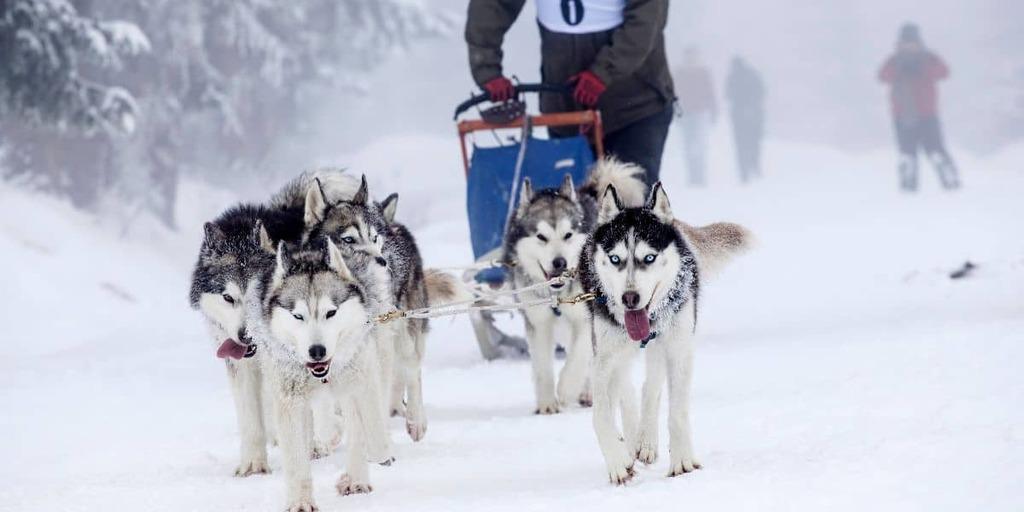
The main one is that your Husky always has their own place where they feel safe and can go to at any time. When your Husky is a small puppy (admittedly this stage does not last long!), your house can seem large and daunting.

Using a crate provides a safe place for them to go back to that is familiar and secure. It can also help keep your puppy safe if you need to leave them alone for any period of time before they have learned what they can and can’t do.

Dogs are not really den animals, but with the right positive association, a crate could be a cozy place they are looking for and feel secure inside. If you are traveling with your Husky, or staying somewhere new, using a crate can be beneficial as it is an environment they are used to and somewhere they can feel more relaxed.

Additionally, using a crate can help alleviate behavioral problems. If your dog is destructive for example, crate training can stop them from damaging your home when you go out. However, although it can be used as an aid to training, it will not deal with the cause of the original behavior and this will still need to be addressed.

Finally, it is important to remember that the crate should be used as a positive training aid with your dog. Never use the crate as a form of punishment. Your Husky should also not be spending the majority of his time each day in his crate.

How to choose a crate and what size crate for husky?

The crate needs to be large enough so that your adult Husky can stand up, fully extend legs while lying down and turn around comfortably. A male husky would need one around 42 x 28 x 30 inches, although a smaller female may get away with one just 36 inches long.

A smaller puppy will not need so much room. If you are unable to buy different sized crates, use a partition to create a smaller area. A smaller space will aid house training as your puppy will be less inclined to mess where they sleep. Remember that if the crate is too big, that does not give a sense of security to your dog and does not accustom your husky to cleanliness and will lead to an ‘accidents’, especially when you start potty train your husky with help of using a crate.

Where to buy a crate for husky?

Crates are easily available and can be bought from any large pet store or online (for example at Amazon.com). As mentioned earlier avoid fabric constructions. Instead, look for an all-wire crate with a plastic bottom that makes for keeping things tidy and easy cleaning. We like this one on Amazon – iCrate Single Door & Double Door Folding Metal Dog Crate

When is the time to use a crate for a husky puppy?

The best time is when you bring a puppy to your house the first time. If you bought a puppy from a breeder, there is a high probability that he/she already knows what a restriction is. If the puppy is less than four months old, he should not have the problem of perceiving the cage as his “home”. If he is older, then it will not be so easy, but this can and should be achieved.

Where to place a dog crate?

My dog’s crate is in a corner of the dining room, away from heat and drafts. You can put yours in the corner of the kitchen, living room or in any other similar place where the family gathered and spend their time very often. Do not use newspapers in the cage; instead, place a piece of blanket or towel, or any other bedding that can be easily washed in the event of an “accident.”

How to crate train your Husky

If you are crate training your Husky as a puppy, the key as stated is to make it a nice, safe place for him to want to be. Hopefully, your puppy’s breeder will have given you something that smells familiar to them or take a blanket when you collect them and rub it on their mum before you leave. Place this in their crate with their new bed to make it smell familiar.

Inevitably your first night or two will be rather noisy as your puppy misses their littermates, but after you get through these things should get easier.

Siberian Husky in CrateVery important to make the crate a positive experience for them as much as you can. Let them have their meals in it, and encourage them to go in occasionally and reward them with treats (without shutting the door at first). Place a new toy in there for them. All in all, make it a place they are happy to be.

After a while, during the day you can start shutting them in for short periods too. Ideally, this can be when they are ready for a nap after playing or feeding. Place one or two treats in there, encourage them to sleep and close the door on them. Open it when he has settled. Always let him out when he is being good, and ignore him if he is being noisy. Talking to him or telling him off when he is misbehaving is still providing him with the attention that he is after.

You can start to gradually increase the amount of time they are left in, but do not leave your puppy in their crate for long periods of time; they will need to be taken outside regularly to relieve themselves. They should be allowed to sleep in their crate, but remember that as soon as they wake up they will need to be taken outside again.

Puppies are like small children, they have little self-control! Never introduce your husky to the crate by putting them in it and just shutting the door for long periods of time, they will find this very distressing.

After a time, you will find that your puppy is relaxed and happy to go into their crate when asked. This can be helpful if you need to go out and leave them unsupervised at home. Just remember, no husky puppy, or any dog for that matter, should spend long stretches of the day crated.

With adult husky’s crate training can be conducted in much the same way. Place a favorite piece of bedding in there, feed them in it and encourage them to go in for a treat. Again when they are nice and tired, start by shutting them in for short periods. Let them out and reward them when they are calm and quiet.

Finally, remember that your husky loves being around their family; they are very much a pack animal. They will be happier using the crate if it is not isolated and out of the way. Keep them nearby to help them relax. You will soon find that they take themselves off to bed when they need a nap!

Conclusion

Crate training your husky can help in many ways and is ideal in providing them with a safe, secure place where they can relax. As long as the crate is never used as a punishment it will be a positive addition to Husky’s life.

Need more help?

The Online Dog Trainer courses address various behavioral issues that you might be having with your dog. It’s the only dog training course we recommend. Crate training is just one part of an overall training strategy you should have.

Also check out our other articles on training that cover a range of topics such as feedback, potty training, leash pulling, and more!

Finally Gone to the Snow Dogs has a great video on crate training with additional tips:

Siberian-Husky-Pull-Training

Pull Training for Siberian Husky Puppies

Interested in mushing with your Siberian Husky puppy? Whether that be the traditional sled-pulling, or some urban alternatives such as rollerblading, scootering, or pulling a cart, the training principles are the same. However, you just can’t get your nine-week-old pup to start pulling you along! You need to build up the skills and strength. Here is how to get started.

First, you need to get your Husky outdoors and accustomed to foreign surrounds. Basic harness training is essential – which you can read about in Harness and Leash Training for Siberian Husky Puppies. You need to have control over your puppy to go and stop on command, as well as move in a straight line forward.

You can start teaching some more commands at around 5 months of age. By this time we hope your puppy is growing in size, is used to being walked, and respects you as its master. By 9 to 12 months you can do short runs of less than a mile, and build up from there. You don’t want to put too much strain on a young dog while he or she is still growing and building bone structure and muscle mass. Just like humans, we go through growth spurts in our youth, but it isn’t until early adulthood until we start to build significant strength and endurance.

After start and stop commands, the next ones you want to introduce for mushing are:

  • Gee – pronounced like the letter ‘G’, which means turn right
  • Haw – which means turn left, and
  • Line Out – which means pull the line taught. Used when you are about to start moving forward from a stationary position.

At first, your Husky will not understand these commands. A lot of repetition will be required, combined with positive feedback when the correct behavior is made, to get the command to stick. Like any training this will take time and patience, so use our training tips and feedback tips to help the process.

Pull training with Siberian Huskies for sledding and mushingGenerally, you should avoid having your puppy pull any weight, or drag, while it is still learning these commands. Trying to teach too many new behaviors at once is confusing to the puppy, and probably frustrating to the teacher as well. Once you think your dog is getting the hang of things you can try pulling some very light loads. Some good examples are a water bottle, an old bag or pair of shoes, or anything else that is unlikely to hurt the dog if he or she suddenly stops and the object continues in motion towards them. Over the next year, you can slowly build up to heavier weights.

It is really important to keep an eye on your Husky and look for signs of exhaustion such as sweating, excessive panting, overheating, or simply not enjoying the activity. Training takes time and dogs learn at different rates.

If you are keen on having a working dog that pulls loads regularly here are some further resources to help you on your journey:

  • Seppala Kennels has a fantastic, in-depth article on sled dog training. This covers much more detail especially with respect to the equipment you might need.
  • You should look around your area for dog clubs. Not just Siberian Husky dog clubs but also sledding clubs, or just general clubs where you can hook up with others who can show you the ropes (literally speaking!).
  • The book Mush! Revised: A Beginner’s Manual of Sled Dog Training by Charlene LaBelle covers the basics and although you may have no desire to get into competition sledding, the topics discussed are still relevant to basic urban training.

Whether you have high hopes of winning the Iditarod, or simply want to give your Husky puppy the opportunity to have a go at what it was bred to do, we hope these beginner’s tips have been helpful to get you and your dog on your way.


Siberian-Husky-Leash-Training

Harness and Leash Training for Siberian Husky Puppies

We all know that exercising puppies is important, and Siberian Huskies are no different. You need to exercise every day, and from an early age. When it comes to walking and running, you are going to need to restrain your puppy with a harness or a leash. How do you start? Read on…

Start early

You can start exercising your puppy from an early age, for short periods, and work upwards from there. We have some specific information on how much to exercise in our article Exercising a Siberian Husky Puppy. You can and should start walking from an early age. Eight weeks is ideal, or whenever your Husky has been given its vaccinations, both of which should approximate when you pick your puppy up from the breeder.

Leash or Harness?

Some trainers suggest a leash is best because it gives stronger physical feedback to the dog if they pull – i.e. a choke. Others suggest a harness for that very reason – it is more gentle while still achieving the primary objective, which is to keep the animal restrained. Whichever you go with you start with short walks while your puppy is small and still building muscles. Over the first year, you can gradually build up to longer (1 hour) exercise sessions.

If you have aspirations to have your Husky pull a load (sled, sulky, or yourself on rollerblades, a bike, or scooter) then a harness is the way to go. Even though you won’t have your puppy pulling loads early on, it can get used to the sensation of having a harness around its chest. There are plenty of harnesses on the market to choose from. We like this one from Amazon. Very good quality harness with really soft pads. Size L fits perfectly for my 51 pounds Siberian friend. Also, I love reflective straps, which is glowing at night. 

Here is a short video showing how to fit a typical dog harness:

Early Training

Find an open area free of human and animal distractions, and keep your Husky on a leash at all times. Huskies have an inherent desire to take off and run – and if given the chance – probably will!

Patience is the key to effective training. You need to take your time and give plenty of positive feedback to encourage effective behavior.

Here is how you might go about teaching your Husky to move with you:

  1. Walk slowly. Your dog will probably want to run in all directions. If any of those directions is not forward, stop and let the dog pull on the lead until he or she figures out they aren’t going anywhere.
  2. Work up to walking for a dozen or two yards then stopping. Give positive feedback in the way of praise, cuddles, and maybe a food treat.
  3. Repeat until your dog gets used to the idea of walking in straight lines, reducing the food treats but keeping up non-food appraisal to encourage this behavior.
  4. Work up to longer walking lengths as your puppy grows in confidence, ability, and endurance.
  5. If you feel the puppy has the strength you can try some running for short bursts, evaluating how it feels afterwards. If overheating or exhaustion seems imminent then, of course, take it easy and try again another time.

You might want to consider inventing words for “go” and “stop”. Ideally you choose words not likely to come up in everyday conversation, so that your Husky understands these are special words reserved just for them. “Yup!”, “Wah heed!” or “Giddyup!” might be words to go. For stopping, “Woah!” is an obvious command to bring your Husky to stop. It doesn’t really matter what the words are as long as:

  • They are short
  • They sound distinct
  • You can yell them out

Non-movers

If your dog doesn’t want to move, then walk alongside it. Try holding a small food treat at nose height to encourage moving forward.

Some puppies want to move, some don’t and it will take time to learn this behavior. Just be patient and don’t stress if it takes a few weeks or months for the dog to get its confidence up! Lots of positive feedback will help.

Watch for over-excitement

In your training you will probably notice your puppy getting over-excited at times. You should look for the warning signs leading up to this behavior, such as howling or barking, a change in movement, a desire to jump or run. When you see this behavior coming up you know to pull the leash back in a bit and slow down. You want to make sure you are in control and that your puppy knows it. There is no need to penalise the puppy with negative feedback. Just stop and be quiet until your puppy settles down.

Ready for more? Check out Pull Training for Siberian Husky Puppies if you want to start pulling a sled, a cart, or yourself!

Having trouble with an over-excited Husky? We have some tips for leash pulling problems here.

Siberian-Husky-Tempermant

Siberian Husky Temperament and Behavior

Siberian Huskies may look wolf-like, but in reality, their temperament and behavior is quite different. Here is what you can expect from the breed if you are considering a Husky puppy, or if you have a puppy and want to know what to expect as it grows up…

Lifelong behavioral traits start in puppyhood. Socialization amongst humans is essential and good breeders work hard to ensure puppies are welcoming to strangers. Indeed the breeding pair is chosen not only for their looks and physical appearance, but also for their temperament.

Huskies are generally loving and playful, easy-going and forgiving. With effective socialization and supervision, they get along just fine with children. However, they make terrible guard dogs. Around strangers, they are most likely to dish out kisses and engage in play, rather than defend and bark. Huskies don’t bark much anyway. You are likely to hear high pitched squeals and howling instead.

Their high-energy nature makes Huskies ideal for active families. They would be great jogging companions. Lap dog? Possibly, but don’t get your hopes up. After a Husky is done with exercise and play they might just wander off to a quiet corner and lie down. You will need to get used to their independent nature.

If left alone, or if the mental and physical exercise is not sufficient, Siberian Huskies are going to get bored. Boredom leads to destructive behavior such as:

  • Siberian Husky - independent but still gentle and lovingChewing on furniture or any other object within reach
  • Digging holes
  • Attempting to escape, open doors, release latches
  • etc.

This means you are going to need to play with and exercise your Husky from puppy stage all through its life. An hour or more every single day is not uncommon. You can read more about the exercise requirements of a Husky here.

Their energetic nature also means they want to go off exploring. Remember these are sled dogs bred to pull loads over long distances. Endurance is a hallmark quality, but also a double-edged sword. You will need to keep your Husky restrained with a leash or harness when out in the open for fear he or she will take off without warning.

Unless the dog has been socialized from an early age amongst other animals, it probably won’t get along so well with smaller dogs, cats, birds, rabbits, etc. Such animals could be seen as prey. However with gradual, monitored, and restrained socialization a Husky can happily share a home with smaller pets.

Despite the wolf-like appearance, Siberian Huskies are gentle and loving pets. With lots of energy to burn they need plenty of exercise and stimulation to avoid destructive behavior. However with proper socialization and effective training they can be a loyal family pet that gets along with strangers, both human and animal.

Doggy Dan has some tips on helping your dog settle in the family home:

Need some help with that training? Check out Doggy Dan’s training. It’s online, affordable, and packed full of tips and tricks to help you bond better with your dog.

Alternatives-to-buying-a-husky-from-a-breeder

Five Alternatives To Buying A Puppy From A Breeder

Are you having trouble locating a Husky breeder in your area? Here are 5 alternatives to breeders to help you find a puppy:

Breeders that do not advertise

Not all breeders advertise their services. They may just not want the pestering that comes with advertising your business in public, especially if they only breed every other year, or very selectively. Whatever the case you can try these outlets and ask if anyone knows local breeders in your area who can help you:

  • Veterinarians, who are likely to have strong relationships with local pet breeders.
  • Dog clubs: both Siberian Husky and general dog clubs
  • Obedience schools, particularly if you see other Siberian Husky puppies there. Ask the owner where they acquired their pup from.
  • Dog shows: ask the trainers of Huskies and Malamutes if they can assist you.

Local newspaper classifieds

Alternative to Puppy BreederCheck your local newspaper’s classified section. There is almost always a pets section with animals for adoption or sale.

You might want to check out papers from neighboring towns. Breeders sometimes only advertise locally.

If you see pets up for free, be prepared to do some research before taking on board what could be a problem. We have prepared some specific advice on free Husky puppies here.

Online classifieds

Try Craigslist, Gumtree UK, Gumtree Australia, Trade Me in New Zealand, or whatever is local to your region. If you are having trouble finding pets on eBay you aren’t alone – they don’t permit the sale of them. So instead head over to eBay classifieds where you can find the pets section and dogs for sale, organized by breed.

Pound / Shelter / Rescue Organization

Unfortunately, some pets are abandoned or need to be taken away from irresponsible owners. They end up in an agency such as your local pet rescue center, dog pound, or a rescue organization dealing with Siberians. If you go down this route check out our advice on adopting from an agency.

Pet Shop

We prefer you not to buy a puppy from a pet shop. Unfortunately, most pet shops keep puppies in poor conditions and are supporting backyard puppy mills/puppy farms, where the breeders are more interested in dollars rather than helping to breed quality offspring. Even if you have a reputable pet shop in your town, perhaps it is best to still go directly to the breeder and not encourage the bad pet shops to compete.


If you are having trouble finding a Husky puppy then don’t fret! We have given you five more ideas of where to look for puppies in your town or region. Be patient, ask around, and you are sure to find what you are seeking.

Famous-Siberian-Huskies

Famous Siberian Huskies

About to adopt or buy a Siberian Husky puppy and not sure what to name it? Take some inspiration from these famous Huskies…

Balto

Perhaps the most famous of all Siberian Huskies.
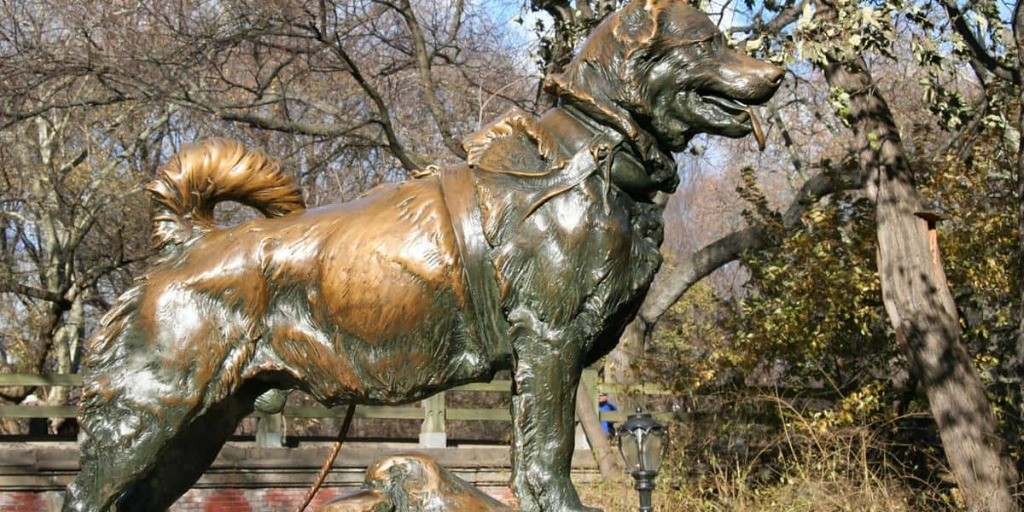
Balto the Siberian Husky - Statue in Central Park New York
In 1925 Nome Alaska was on the verge of a Diptheria epidemic, and life saving serum was needed to save the town and surrounding communities. 150 sled dogs relayed this precious package almost 700 miles Nome in Alaska’s north-west, and leading the final leg was Balto, a Siberian Husky sled dog. The success of the expedition made Balto a celebrity of sorts, and just one year later a statue of Balto was erected in New York’s Central Park. In 1995 the movie Balto was released as a children’s animation.

Togo

Often forgotten but no less important than Balto, was Togo. Togo led the serum run out of Nome to Shaktoolik to pick up the serum, then led the first leg back towards Nome. Many regard Togo as the real hero – leading the longest and most dangerous parts of the adventure.

Charlie

Reportedly the strongest Siberian Husky of all time, and possibly the strongest dog of all time when it comes to endurance. Charlie was able to pull a 3100 pound sledge in 1963.

And don’t forget TV and film…

  • The Alaskan Malamutes and Siberian Huskies from the 2006 movie Eight Below. The Huskies were named Max, Maya, Truman, Dewey, Shorty, and Old Jack.
  • “Dief” Diefenbaker from the 90s TV series Due South.
  • Exile, the animated Siberian Husky from Russia that starred in the cartoon Road Rovers.
  • Yukon King the fictional Husky from Challenge of the Yukon radio and television shows from 1938 to 1955.

There you go – a handful names of famous Huskies to choose from. If you think we have missed a famous Husky please get in contact with us so we can add it to this list!

Balto image courtesy of Mark Skrobola and Flickr, licensed under Creative Commons.