• You are here:
  • Home »
  • Author's Archive:

All posts by Danny Bainbridge

Introduce-a-husky-puppy-to-a-cat

How to Introduce a Husky Puppy to Your Cat?

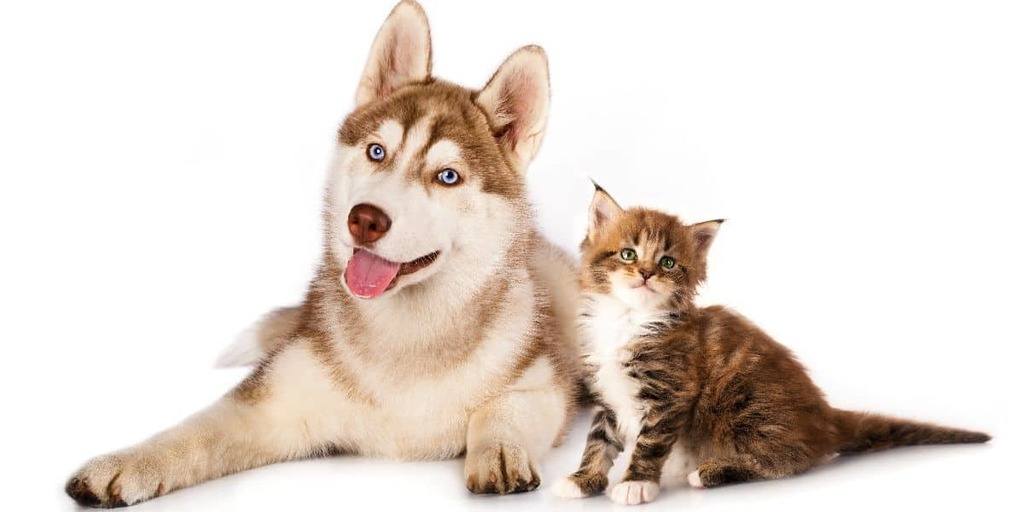
You got a new Siberian husky puppy and bring him home with his irrepressible temperament, and are worried about how a kitten or an adult cat will react to it? Or maybe you want to know how to make a kitten friend with a husky dog, that has been living in your house for a long time? Befriend animals with different psychology of behavior is not so easy as you think.

Siberian Huskies, despite being domesticated, still have a natural prey drive. They want to chase and capture smaller animals. However, with careful, disciplined training you might just be able to make your Husky get along with a cat at home. Here’s how…

1. Set realistic expectations

The training you will need to give your Husky is not going to be easy. It will require time, patience, and your watchful attention for many weeks, if not months. Despite this effort, you might not win. Some dogs can’t shake that prey drive even for family cats. You need to think about a Plan B, such as physically separating kittens from puppies full time. And although we hope it would never happen, Huskies can and do kill cats, should the two of them cross paths. It might not be a pleasant thought but you need to be mindful of the potential consequences of cohabitating a Siberian Husky with a cat.

2. General Tips

It isn’t all gloomy though. Here are some ideas of how to get off to a good start and give everyone a chance at living happily together:

  • Siberian Husky Puppy Surrounded By Kittens / CatsStart training early in the dog’s life. There are lots of training articles on Husky Puppies Info with general advice on what to do and how to do it. The earlier you start the easier it will be to form good habits in the dog’s mind.
  • Ensure you can physically separate the cat and the dog, each having resting, feeding, and pooping areas. In the beginning, only a short amount of time will be spent together so they need a space to feel comfortable in when not training.
  • Exercise your puppy first, before letting him or her spend time with your cat. Exercise can dampen the boisterous nature of puppies, who might be inclined to jump or trample over your cat.
  • Keep your Husky on a leash until you are absolutely, positively, 100% positive he/she will not attack or chase your cat. You probably already know it is risky to send your dog off-leash at the park, and the same applies indoors with smaller animals.
  • Give lots of positive feedback when your Husky “plays fair”. This is the key to helping your Husky understand the cat is part of your “pack” and not a foreigner.

3. Start by setting up your home

The introductions will require your Siberian Husky on the leash, and the cat free to come and go. Ensure the cat can escape to a safe place that he/she already frequents. If you have a small pet door, or a barrier (such as a child gate you jam in a hallway or stairwell) that the cat can squeeze through but not the dog, that’s great! Otherwise, just a room that can be closed off will do.

4. Introductions

It will help if you have a partner so that one of you can manage the Husky, and the other the cat. However, if you are on your own that’s ok, just try to encourage the cat to visit the Husky and have a sniff around.

Set the dog up so that he or she is in an area that the cat can approach without surprise – visibility for the cat is important. Whilst the dog is on the leash, encourage the cat to come up and say hello. It would be natural for the dog to get excited and that’s ok. The important thing is that you have control of the dog, and are willing to repeat this process many times until he exhibits calmer and restrained behavior.

The first encounter might only last a few seconds before the cat runs away. Don’t forget that cats are curious and are likely to come back for more.

5. Develop the relationship

Work your way up to 5-minute encounters, and then try for 6, 7, 8 minutes, and longer. Keep this up for a month until you can have substantial sessions together (such as 30 minutes) without any major problem. If your Husky jumps for the cat or displays other predatory behavior, issue feedback with a firm “no”. No need to punish the dog, rather issue praise and positive feedback when he shows restraint.

6. Monitor closely

At one point you will have the husky off-leash. Still, make sure you have the cat’s safe place open so they have somewhere to run to if frightened. Otherwise, keep close to your Husky and be prepared to grab the collar if he or she gets rough.

With a bit of luck, your cat and dog are starting to get along nicely! Of course, it might take many weeks or months of supervision to gain the confidence that they won’t hurt each other. It is quite ok to have the two separated every time you are out of the house, just in case something does happen.

7. Warning signs

Aggressive behavior by either animal is a sign that the relationship needs further work. Cats tend to wave their tail when anxious, take swipes with their paw, and stare intently at their foe. Huskies tend to get excited and move a lot, maybe try to pick the cat up in his/her jaw.

However, there is a fine line between play and fight. In this video the animals get along ok, despite the slightly aggressive behavior:

Conclusion

With patience and a bit of knowledge, you might just pull it off – introducing two natural foes to each other and have them get along. It’s not an easy process and given the choice, not one most Husky owners want to deal with. Just remember to take things slow and give lots of positive feedback to your Husky when he or she behaves nicely around your cat.

Husky-Pet-Insurance

Is Pet Insurance Worth It For A Puppy?

Although pet insurance might sound like an unfamiliar concept to you, it’s getting popular with every passing year. For example, the number of people that bought pet insurance in the UK increased from 2.8 to 3.8 million from 2013-2017, with about 2.1 million GBP being paid daily in insurance claims.

Rising vet bills in recent years have given popularity to insuring your pet. But before you jump in, there are some things you need to know to answer the main question: “Is insuring your husky puppy really worth it?”

Pet insurance basics

When shopping around for pet insurance you will come across some terms which are key to understanding and comparing insurance options:

  • Recurring cost – which is your cost-per-month for insurance. Most insurers will offer a yearly payment option that offers a discount over the monthly rate.
  • Deductible – known as the excess in some countries, this is the minimum amount in dollars that you contribute to a claim. If your deductible is $500 then you must pay the first $500 of a claim, regardless of whether your claim is for $550 or $5000, and regardless of the reimbursement rate.
  • Reimbursement – this is usually presented as a percentage such as 80% and represents how much of the total bill you will get back from the insurer. So if the reimbursement is 80%, and the cost of treatment is $10,000, you will get a check from your insurer for $8000 if the claim was approved. Note that there might be different rates for different treatments so be careful.
  • Maximum claim – You might be limited to a maximum amount (in dollars) claimable in the pet’s life, in a year, or even for a single accident or illness. You should look through the insurance policy fine print to find this information because it might not be presented upfront when shopping.
  • Exclusions – Again you need to look at the fine print. These are the services or treatments not covered by insurance. Hereditary conditions are commonly excluded.

Pet insurance price differences

Many factors influence price differences between insurers. These include:

Sick Siberian Husky Puppy

  • Differences in deductible and reimbursement rates. Often you can tweak these numbers to lower your monthly insurance cost, such as raising the deductible.
  • What services, treatments, and products are excluded.
  • The breed and age of the dog: older dogs tend to cost more for insurance, and some breeds are more prone to injury or health issues than others.
  • Your location.
  • The insurer itself: their reputation, their costs, who underwrite them, and many other factors that you have no control over. Simply put: some insurers cost more than others, even for the same policy.

Unfortunately, when comparing pet insurance it is very difficult to compare options. It might help to draw up a chart (or use a spreadsheet) when comparing potential insurers, taking note of what each policy is offering. If you can reduce the policy features to just the ones you are interested in it will make it easier to narrow the choice down.

What to look out for when choosing pet insurance?

If you buy pet insurance, you’ll have to pay a monthly fee. But in case your Husky gets sick, the insurance company will pay for its treatment according to its terms and conditions. But we wish it would be as simple as it sounds. 

Pet insurance Exclusions are probably should be your biggest concern, and this information is likely to be in very fine print and not well advertised. Some typical exclusions include:

  • Certain tests or diagnostics are not included.
  • Pre-existing health conditions that the animal had prior to taking out insurance, whether or not you knew of those conditions.
  • Hereditary issues with the breed. Common health problems with huskies such as hip dysplasia and eye issues may not be covered.
  • Dental work may be totally excluded.
  • Different treatments may have different rates of reimbursement, and even different deductibles.
  • After-hours and weekend emergency care may be excluded.
  • Choice of vet might also be an issue.
  • The amount paid for specific treatments. Some policies have a schedule of treatments and payout amounts, which might be substantially less than what your local and trusted vet might charge you.

Furthermore, when making a claim on pet insurance, almost all insurers will require you to pay your vet first, and you claim the money back from the insurer. It is of little use to take out an insurance policy if you can’t obtain funds in a hurry to pay a bill. It may take a number of weeks for your insurer to accept your claim.

With so many variances between insurance policies, how can you expect to make the best decision?

How to choose the right pet insurer?

As with any insurer, the primary consideration is will they pay out if I make a claim?

You can and should talk to other Siberian Husky owners in your local club, or talk to your vet, or even dog-owning friends and relatives, to find out if they have made a claim and how easy or difficult it was. Search the internet for reviews of insurance policies – just be aware that you tend to only read about the horror stories, not the many thousands of successful claims that happen each year.

Price is also a factor to consider and balance off between the deductible and reimbursement rates. What price you are comfortable with depends on your own personal financial situation.

However, if you have 5 policies in front of you and 1 is abnormally cheaper than the others, you might want to try and figure out why. It could be some key features are missing. Similarly, if a policy is unusually expensive it could be there are features you may never need such as pregnancy care for a female pet.

Alternatives to pet insurance

If insurance seems expensive, and it can be especially if you have multiple pets, there are some alternatives you might want to consider:

Savings FundSick Siberian Husky puppy with collar

For some, the cost of pet insurance is too much, and they prefer to keep a savings fund for that ‘rainy day’. This can often work out cheaper than insurance. If your husky is kept in a secure yard all day, and when out is restrained and not let off-leash, then the chances of him or her being involved in an accident are quite low.

Furthermore, if you did your homework when selecting your puppy from a reputable breeder, who gave assurances as to the health of the animal, there is a good chance you will never incur any significant vet bill for the life of the dog.

There are two big problems with savings accounts that you need to be aware of:

  1. It starts at $0. If your pet develops a problem early in life then the savings account is unlikely to cover all the bills. A pet insurance policy is likely to have a very short or no waiting period.
  2. You have to be disciplined to keep topping it up, each and every week. If you forget, or can’t afford to keep depositing, then the fund may not be there when you most need it.

If you are already a disciplined saver then this option might work out for you.

Other fund types

There are lower insurance levels that cover injuries but not conditions, however as we just mentioned the chance of injury might be very low for your husky. Sometimes these policies are offered almost like a guilt trap if you can’t afford the full-priced policy, and offer little benefit to your dog.

Cheaper services

There might be lower-cost vet clinics in your area, possibly not-for-profit and/or tied to rescue organizations. Universities can also be looked into – some offer services cheaper in return for providing training for students (under supervision of course!).

Euthanasia

It might not be a popular option but it is one we need to mention. For some it might just make more sense to put your pet down instead of paying expensive vet bills, only to have the animal continue to live in discomfort.

Conclusion

Pet insurance is a booming industry – and is it any wonder with vet bills running into $100s or $1000s for a single incident? When shopping around take note of the deductible, the reimbursement, and especially the exclusions in the fine print that will affect your claim. So is it worth purchasing pet insurance for a husky puppy?

  • If you can afford the monthly fees and have spare cash to pay the vet bills right away, and your husky might have some health issues, AND your insurer will pay out for these issues, then YES! Insurance could save you money.
  • In all other cases, we suggest NO! You are better off saving money and accepting the risk. The general health of the Siberian Husky population is getting very good and if you take care of your pet, there is no reason he or she can’t live a long and happy life. You can always take out insurance later in life if your husky seems accident-prone, and spend the first few months saving for a rainy day.
 

Husky-Puppy-Mill

How To Identify A Husky Puppy Mill

With the tremendous rise in Siberian Husky registrations (AKC quote Huskies as the 14th most popular breed in 2013, and still rising) comes a wave of interest in the breed, and a desire to own one. Unfortunately that also means unscrupulous breeders are profiteering from this popularity, operating puppy mills to maximize profit rather than improve the breed. Here we look at puppy mills, and how to identify one, so you can avoid supporting such businesses.

What is a puppy mill?

A puppy mill, or puppy farm, is a breeder that aims to profit from the breeding of dogs, rather than improve the breed. Typically they minimize costs and cut corners on animal welfare to maximise their profit. Animals are sometimes bred frequently and recklessly. The term backyard breeder means much the same thing, and might refer to an individual operating on the same principles.

The ASPCA quotes there could be as many as 10,000 puppy mills in the USA alone. Note that some of them are licensed breeders – but are still in it for the money, not the love.

Why you should avoid puppy mills?

When the primary goal of the puppy mill operator is to make money, corners are cut such as:

  • Breeding a female too frequently.
  • Not taking care to match dogs suitable for breeding, based on temperament or genetic traits that cause health issues.
  • Supplying minimal accommodation to the dogs that might not be particularly sanitary.
  • Not getting dogs checked out by vets (which cost money, of course), and not getting the proper vaccinations.

Warning signs

Although there is no single warning sign that indicates you are about to purchase a Husky through a puppy farm, some or a combination of these factors might come in to play:

Siberian Husky puppy with different colored eyes

  • A large number of dogs on site; 30 or more is a warning sign.
  • The breeder has different breeds for sale; Huskies and something else. Genuine breeders tend to specialize in one breed.
  • The parents of the puppies are not on site, or not able to be presented.
  • The breeder advertises heavily in newspapers and other classifieds. Advertising increases around holiday times such as Christmas.
  • The breeder is willing to let puppies go before 8 weeks, and perhaps before vaccinations have been administered.
  • The breeder is known to supply pet shops.
  • There appears to be a constant supply of puppies from this breeder, all year round.
  • The breeder will bring the puppy to you in another location, and/or avoid showing you around his property.
  • The property is not sanitary, or dogs are kept in confined cages.

Finally the biggest warning sign: the breeder does not ask you questions about your environment, lifestyle, reason for a buying puppy or the breeder tries to let you take the puppy home right away. Responsible breeders do not let their puppies go “nobodies”. They try to match puppies with suitable and similarly responsible homes.

Questions to ask to identify puppy mills

A lot of the above issues can be questioned over the phone. If not directly, then indirectly with questions such as:

  • We might not be ready now, when do you expect the next litter of puppies to become available?
    Many breeders do not plan ahead until the current litter is all taken care of.
  • We are not sure what dog food we should be buying. What do you feed the puppies?
    To keep costs down, puppy mills feed the cheapest dog food available.
  • Are the puppies vaccinated and checked out by a vet?
    If the answer is ‘no’, be very suspicious.
  • Is there any guarantee on the health of the puppy?
    Responsible breeders always provide a guarantee that the puppy is healthy, and will detail any potential long term health issues.

A word about pet shops

Pet sExercising a Siberian Husky with toys and playtimehops are notorious ‘front ends’ to puppy mills. We recommend going directly to the breeder rather than paying a premium to the retailer and encourage the practice. You can locate breeders in our breeder directory, and also the SHCA Referral Directory. In either case, there is no guarantee you are dealing with somebody responsible so keep your eyes and ears open for suspicious behavior!

What you can do to avoid puppy mills?

Ask a lot of questions, and if you are unsure, be prepared to walk away. We know puppies are irresistible, and Siberian Husky puppies are frighteningly cute, but you have to be strong enough to walk away and not support this terrible industry.

If you suspect you have spotted a puppy mill you can report it. The Humane Society provides advice on what steps to take.

By keeping your ears and eyes open for certain behaviors of a puppy mill operator, you can avoid them and instead buy your Husky puppy from a genuine, responsible breeder. Even better you can consider adopting a Husky instead – perhaps from a rescue shelter. We also have some tips on adoption and what to expect.

Husky-Adoption

Tips For Adopting A Siberian Husky

So you want to adopt a Siberian Husky (whether puppy or adult) and need some help? Here are our top tips for adopting a healthy, happy Husky.

Know what you are getting in for

Huskies are a medium-to-large sized dog that requires a LOT of exercises. They have an easy going temperament but can get bored and destructive if not exercised and played with to keep up mental stimulation. Health issues are less of an issue these days but you should still be aware of them and know what to look for.

Where to adopt

Adopting a siberian husky

We have some suggestions on how to approach the offer of a free puppy, which you might want to read up on. If the cost of buying a Husky from a breeder is concerning then you can check out our suggested alternatives. Siberian Husky rescue organizations are also recommended because they will help match you with the right dog and make sure you are ready. Just remember the initial cost of the dog, in the long run, is insignificant compared to food costs, vet bills, toys and other rewards for your Husky.

Prepare the space

Huskies don’t always need a lot of space and can live in apartments if given the right care. Despite being bred for the arctic they can even happily live in hot and tropical environments. But before you bring the dog home you should prepare yourself for toilet training, especially if the puppy has not been trained.

Travelling home

Although the trip home with your new puppy is likely to be exciting, for some dogs it isn’t a great start to a new family. Check out our tips on car travel with Huskies so you can prepare yourself, not only for the trip home, but trips to the vet, to the park, and for vacations.

Microchip

Your Husky should be microchipped, either before you pick it up or as soon as you can thereafter. It is a quick procedure that will help reunite your dog with you if he/she goes wandering and is picked up by somebody else. Your local vet is likely to have a microchipping service, but so will local animal rescues and municipal councils. We have more information about microchipping here. If you are not sure if the dog you have adopted is chipped, or if you just want to register new details, you can get your vet to scan the chip and provide you with this information.


Here we have covered a range of things to think about before running out to adopt a Husky in to your home. Bringing a pet home can be a wonderfully rewarding experience and enrich your life, but just be sure you know what you are getting in to with Siberian Huskies!

Pomeranian plus Husky equals Pomsky

Pomsky: The Ultimate Guide to Pomeranian Husky Mix

Given the increasing popularity of Siberian Huskies, it is no surprise to see experimentation with cross-breeding them with other dog breeds, especially a smaller size. 

A Pomeranian Husky, also known as a Pomsky, is a crossbreed between a Siberian Husky and a Pomeranian. They’re known as designer dogs due to their hybrid nature. They usually look similar to a smaller version of a pure Husky breed, while also inheriting the furry side of the Pomeranian breed.

They are generally noted for their playful and fun nature, while their compact size makes them perfect lap dogs!

As they are prized for their adorable looks, enthusiasts are still trying to make sure their looks gravitate towards the Husky’s side, rather than its Pomeranian counterpart. If you would like to know all about this wonderfully unique breed of dogs, keep reading!

The breed is not recognized by the American Kennel Club and is unlikely to do so anytime soon, not until the breed establishes a presence and has consistency after generations of breeding. A Pomsky can be expected to grow to around 25 pounds, which in comparison to the Husky's 35-60 pounds is quite small, but still larger than many toy dogs.

Origin of Pomskies

It is believed that Pomskies originated in 2009 in the United States. They are the result of crossing a Siberian Husky with a Pomeranian. 

The Siberian Husky is known to have belonged to an ancient Siberian tribe known as the Chukchis. It was in 1908 that these dogs gained popularity in Alaska for their wolf-like features and were mainly used as sled dogs. Later on, they became domesticated dogs that were kept as pets. 

On the other hand, Pomeranians are known to have descended from larger dogs that belonged to a type called the German Spitz. The breed of Pomeranians was so popular that they have always found a home in royal households.

small brown and white pomeranian puppy sitting on the log with bright flowers on the background

Pomeranian puppy

Pomsky breed is not recognized by the American Kennel Club and is unlikely to do so anytime soon, not until it establishes a presence and has consistency after generations of breeding. 

Size Variations

Pomskies are generally on the smaller side when compared to the average dog size, but can sometimes grow to medium size, depending on which dominant side they take after (Husky or Pomeranian).

They are usually 10 to 15 inches tall (25 to 38 cm), and can be expected to grow to avarage 28 pounds, which in comparison to the Husky's avarage 51 pounds is quite small, but still larger than many toy dogs. The weight range of Pomsky is quite broad and sometimes 

Weight graphs in Lb showing Pomsky in comparison to Husky

Weight graphs: Pomsky in comparison to Husky

Appearance of Pomskies

Pomskies come in a wide range of colors such as white, black, grey, brown, and off-white. They have a silky coat of fur and also have pointed ears. They are quite muscular for their size with strong legs, and they also are the owners of wide, sturdy shoulders. It is a common fact that female Pomskies are slightly smaller and lighter than male Pomskies.

It will take at least a few more years of breeding Pomksies to understand what a typical one will look like and behave.

Pomsky Generation Types - F1 and F2

The two most popular types of Pomskies are the F1 and F2 types. This depends on nothing but the parentage of the Pomsky. 

There are few more additional types known as F3, F1B, and F1X, but these are not as common as F1 and F2. 

Let’s take a look at the two most common types of Pomskies and their benefits:

Two types of Pomsky generation: F1 and F2

F1 Pomsky: 

A Pomsky is referred to as F1 when its mother is a Husky and father is a Pomeranian. This can never be reversed (which means that the father cannot be a Husky and the mother a Pomeranian) as the mother always has to be bigger in size.

F2 Pomsky:

When both the parents happen to be F1 Pomskies, their puppy is called an F2 Pomsky.

In general, Pomskies who are F1 generation (purebred Siberian Husky and purebred Pomeranian) tend to cost less than puppies resulting from the mating of two Pomskies (F2 generation).

General Health of Pomskies

Although crossbred dogs are conventionally believed to be immune to all health disorders, studies show that this definitely is not the case

According to a study conducted by the University of California, Davis, crossbred dogs are just as likely as purebred dogs to get inherited genetic disorders. Hence, you cannot rely on the common myth that crossbred dogs are hardier and don’t face the problem of genetic disorders. 

A few of the most common diseases you may want to look out for are Patellar Luxation, allergies, eye problems, and dental cavities. However, these diseases are common to almost all dogs and are not necessarily life-threatening. 

The best way to ensure that your Pomsky does not suffer from any of these diseases is to make sure you feed him a nutritious diet that suits his body. You can also take him for regular visits to the vet even if he seems to be healthy on the surface. 

Additionally, It goes without saying that vaccines are a necessity for the overall health of your Pomsky and must not be overlooked.

Lifespan of a Pomsky

A Pomsky’s lifespan usually ranges between 13-15 years, which is a common lifespan among all medium-sized dogs. Pomeranians can live up to 16 years, and a Husky’s life expectancy is between 12-14 years. A Pomsky’s lifespan is typically somewhere between both of these breeds’ lifespans.

Average Price of a Pomsky

There are quite a few variations in the price range depending on the physical features of the Pomsky, such as size, eye color, fur color, pedigree, and quality. On average, the price range is between $2000 - $4000. 

human hand holding three black and white pomsky new born puppies

New born Pomsky puppies

Typically, many breeders charge more for a Pomsky that has well-defined Husky features, as they tend to be more in demand. People love Pomskies that have striking eyes and prominent black and white markings that lean towards its Siberian parent, thereby making the cost shoot up as well. They are a niche breed with a limited supply.

Nutrition and Diet

All dogs require a wholesome diet that gives them the right amount of protein, fats, carbohydrates, fibers, vitamins, and minerals. When choosing the diet of your Pomsky, the first thing you need to take into consideration is his size. Pomskies typically come under the category of small-breed dogs. 

If you are unsure about the calorie intake for your Pomsky, you can use a reliable online calculator like Pet Nutrition Alliance, which will help you with nutritional assessments and recommendations. 

Since Pomskies almost always come under the small-breed category, you can consider using high-quality small-breed dog food. 

If you have a Pomsky puppy, you can make use of a good small-breed dog formula and switch over to dog food after a few months, which is usually when the puppy is 7 to 9 months old. 

Here is my recommended list of the most nutritious small-breed dog foods:

Nature and Temperament

Since Pomskies are still an evolving breed, there has not been solid evidence to give much depth to any study on their temperaments, traits, nature, and characteristics. 

Whereas the Pomeranian has a loyal and playful toy dog temperament that bonds closely with his/her owner, the Husky's temperament is more independent and demands leadership.

So what an offspring of the two will be? Nobody knows. The Pomsky breed is still being established and it isn't clear what kind of dog a Pomsky puppy will grow into, no matter how careful the breeder has been in selecting parents.

It's a reasonable chance that some of the traits of a Husky will come through, such as demanding direction and lots of play and exercise to keep it happy.

Small black and white first generation pomsky puppy outdoor

F1 Pomsky puppy

However, Pomskies are generally known to be friendly and extremely playful. They enjoy the company and love playing, making them ideal for a home with a large family. They are not known to be aggressive or irritable. 

It is also worth noting that Pomeranians are highly intelligent watchdogs and tend to be wary of strangers. These traits have been noticed in Pomskies as well. When they feel threatened or afraid, they can become aggressive like Pomeranians, but this also depends on the way they have been trained and brought up.

Training a Pomsky

Pomskies inherit their intelligence from both Siberian Huskies and Pomeranians, making them very responsive to training and teaching. It is good to try reward-based training for your Pomsky as it not only is a good method of training but is also known to increase the bond between a master and his pet. 

Reward-based training simply means that for every order obeyed, you give your Pomsky a treat to let him know what’s pleasing to you and what is not. Verbal encouragement is also another way to let your Pomsky know that you’re happy with his behavior. This positive reinforcement enhances the relationship you share with your pet companion. 

When you train him using this method, you can make use of dog treats. I did some research around Pomsky community and the owners report that Pomsky can be very picky regarding treats. So I would recommend to experiment with different brands and flavours. 

Related: Best Snacks and Treats for Husky Puppy

Costs of Owning a Pomsky

You need to remember that buying your Pomsky does not include the total amount you will spend on your pet. Owners need to know that caring for a pet can be a handful and be quite heavy on the pocket as well. 

Here is a list of things you will need to spend money on once you have bought a Pomsky:

  • Food: Dog food is something you will be spending quite a lot of money on each month. Estimate cost - 500$
  • Health and hygiene: Your Pomsky will need regular check-ups to maintain good health and will also require vaccinations. Apart from this, you will need to spend money on bathing requirements, toothpaste and brushes, grooming materials, and occasional medications.
  • Toys and accessories: This may seem insignificant, but chew toys and soft toys will need to be replaced once your Pomsky eventually rips them apart. You will also need to buy a leash and dog collar. The estimated cost - around 400$ per year
  • Daycare: If you happen to be working a 9-5 job and there is no one else at home, you may need to consider dog daycare. Expect to pay between 21$ to 60$ per day, depends on what state you are residing.
  • Dog walker: If you work full-time and have absolutely no time to take your dog outside, you may have to hire a dog walker. Although this may seem a little extra, you never know when you may need it once you become a full-time dog owner who also works a full-time job. Dog walkers charge around 15$ to 25$ for 30 min walk.

Judging by the list above, it is wise to set aside a budget for the next year at least 2000$ and keep in mind emergencies as well. 

Grooming Your Pomsky

Pomeranian Huskies are known as designer dogs and require additional care and attention with regard to their health and grooming. 

Regular coat shedding is also very likely so Grooming requirements of Pomsky can be higher than a purebred Pomeranian. It will take at least a few more years of breeding Pomksies to understand what a typical one will look like and behave.

There are three essential areas of grooming your Pomsky, which you must not neglect for the sake of the well-being of your dog. These include combing his fur, brushing his teeth, and trimming his nails. Let’s look at these in detail.

Maintenance of Fur Coat

Just like Pomeranians, Pomskies are also known for their luscious coat of fur. On the downside, they are also known for shedding this fur notoriously if left ungroomed. 

Yellow and white male pomsky puppy

To avoid your Pomsky’s fur getting all over your furniture, it is essential to brush its fur on a regular basis. This promotes the growth of healthy and shiny hair. If left ungroomed, your Pomsky’s beautiful coat can end up looking mangled and haggard.

You might want to check out grooming guide for huskies and husky mixed breeds.

Dental Care

As mentioned earlier, Pomskies are prone to have dental problems. Due to their susceptibility, it is wise to brush their teeth on a daily basis. Brushing your Pomsky’s teeth for the first time can be a difficult task, so it is advisable to read proper instructions from an expert before you begin. 

If you haven’t had a dog before, it may surprise you to know that dogs have special dental appliances that make this process easier. If you feel clueless, you can buy a full dental kit like this Arm & Hammer for Pets Tartar Control Kit.

Trimming Nails

Apart from this, you will have to trim your Pomsky’s paw nails at least once in two months as they tend to grow long. Owners often neglect this aspect of grooming, but it certainly is an essential procedure as long nails can lead to many consequences if left untrimmed.

Apart from these main procedures, you will also need to clean their ears and bathe them once a month.

You might want to check out grooming guide for huskies and husky mixed breeds.

Exercise Requirements

Pomskies are extremely playful and have a high amount of energy. Exercising your Pomsky can be done in a variety of ways. They generally love going on walks (as all dogs do) and also enjoy games that give them physical exercise along with their owner’s attention. It is recommended to engage your Pomsky in exercise for at least one hour a day. Not being physically active can lead to negative behavioral traits in your dog. 

Playing fetch is one of the most common games which dog-owners and dogs love alike. It’s also a great idea to invest in some toys for your Pomsky as dogs generally dote on toys you give them. If you live in a house with a fence, let your Pomsky roam free outside the house for a while to exert his energy by himself.

Is Pomsky Good Apartment Dog?

While some dogs might find it difficult to live in an apartment, Pomskies are known to be quite adaptable to their surroundings and can most definitely thrive in an apartment building. In fact, most owners of Pomskies seem to reside in apartments. 

Black and white cute pomsky puppy at the apartment

Ideal Climates for Pomskies

It is a known fact that not all dogs can survive in both hot and cold regions. Some dogs belong in cool places due to the presence of a thick coat of fur. A Pomsky is one such dog, who owns a warm coat of fur that can withstand cold climates. Although a Pomsky will thrive in cool temperatures, it does not necessarily mean that it cannot survive in warm temperatures as well. 

Pomskies have a double coat of fur, which insulates them from the cold and this coat works both ways by keeping them warm in winter and cool in summer.

However, if you happen to live in a place that is extremely hot, Pomskies might have trouble adapting to it. In such a case, it is advisable to make sure your Pomsky can have access to air conditioners, which will prevent them from becoming too hot underneath their fur. Most people who own such dogs install room coolers to make their dogs more comfortable. Hence, with the right precautions in place, your Pomsky can be happy no matter where you live.

Where Can I Find a Pomsky? (Breeders)

Because of the niche nature of the Pomsky and Pomklee breeds, breeders are few and far between. On the upside, this tends to mean that the breeders that do exist are dedicated to the breed and more likely to be reputable. Try this site in your search to find a specialist breeder.

 There is a Pomsky Club of America that lists some approved breeders if you are interested in finding out more.

If you aren't quite sure of whether a Pomsky or Pomklee is for you, but still want a husky looking dog in miniature, then look no further than purebreed Miniature Siberian Husky or Alaskan Klee Kai. Go for the Alaskan Klee Kai if you want a smaller dog that will bond closely with you. On the other hand, if you are an active person, who  ready for the challenge of training, a Miniature Siberian Husky might better suit your lifestyle.

What is Pomklee?

Like the Pomsky, a Pomklee is a cross between a Pomeranian and an Alaskan Klee Kai. Since the Klee Kai is itself a mixture of breeds and more closely related to the Alaskan Husky, combined with a very limited breeding program, it is hard to pinpoint what a Pomklee should appear or behave like.

 In fact, if you saw Pomklees advertised, you should feel skeptical about whether the breeder really knows what they are doing, or whether they are just labeling the animal as Pomklee to make a sale. Such puppy farms should be avoided at all costs! Follow our advice on selecting a Siberian Husky breeder to get what you pay for.

Let us know if you find a breeder who can verify the ancestry. Prices are likely to be similar to Pomsky, if not a little higher. But as we have alluded to, there is little direction in breeding programs for the Pomklee so consider any advertised dog a mixed breed that doesn't have the predictability of a pure breed.

Summary

This article summarizes all that you can expect and be prepared for before you get a Pomsky. Based on the information presented here, you must be able to decide on whether or not a Pomsky is the right choice for you. 

One important factor to remember is that every Pomsky is unique and will vary in size, appearance, and temperament. Since this is a long term investment that will require a lot of time, money, and dedication on your part, it is wise to go through all the pros and cons of owning a Pomsky from an objective point of view before making a decision. At the end of the day, they are a remarkable breed and would be lovely companions to have around the house!

Husky-Snacks-and-treats

Snacks And Treats For Your Husky Puppy

Treats for your Siberian Husky are a great way to reward good behavior during training. However not all food is good for your puppy to snack on. Here we have a look at what is suitable for puppies and what to avoid.

As you know, puppies need food to grow. It is really important to feed your Siberian Husky puppy good quality food that promotes muscle and bone growth and provides the energy needed to exercise and play. Snacks are no different. Just like human snacks you want to avoid snacks that are high in fat, sugars, and calories. They might taste good (to the puppy!) but overall might be harmful to the health of your husky in the long run.

If purchasing treats from a store look for those with high meat content. Lower quality snacks are often cheaper because they have “filler”, typically a grain of some kind. The worst have high-fat content.

Snacks should be fed as a treat and not become part of normal feeding routines. Typically the only time you would feed your dog treats is to reward good behavior during training or playtime. If you start conditioning your puppy to accept snacks all the time they will become used to that behavior, and start pestering you between meals. See our article on Feeding Siberian Husky Puppies if you need some further advice on meals.

Store-bought snacks can be a bit pricey but there is a wide range of “human” foods that your puppy might take to:

  • Plain rice and oatmeal.
  • Unsalted pretzels, unsalted almonds, unsalted and unbuttered popcorn.
  • Cut up an apple.
  • Blueberries, strawberries, and other berries without pips.
  • Bananas. Frozen bananas are a great treat.
  • Seedless watermelon.
  • Beans, carrots, and sweet potatoes.
  • Peanut butter is ok as an occasional treat in a KONG Toy, but be aware of the high sugar and fat content.

Happy Siberian Husky puppy enjoying a treatIt will require some experimentation to see what your Husky likes. Don’t be surprised if he likes food for one month, but goes off it the next. Huskies need some variety in flavors and textures in their food. You can also bake your own doggie treats – check out the Dog Treat Kitchen website for recipes that are easy and inexpensive.
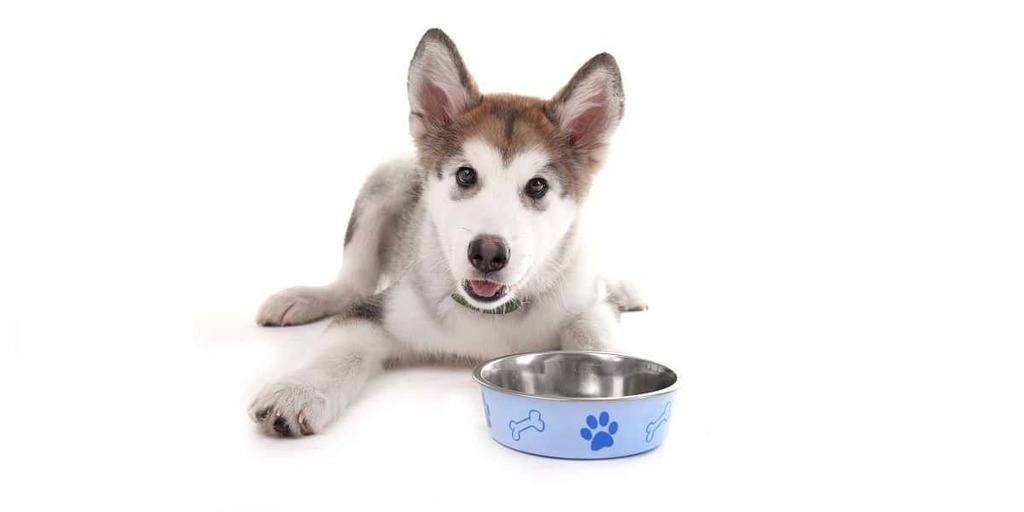
There are some human foods NOT suitable for dogs, including chocolate, grapes, and avocado. We have some specific advice on these foods here.

When feeding treats you might want to cut or break them up into smaller pieces. Puppies only have small jaws, small tummies, and you can reduce intake by reducing the portion size. Don’t forget that during training there are many non-food rewards you can give as feedback, such as pats, rubs, scratches, positive words, and playtime with favorite toys. Try different things and see what works best for you and your dog!


Foods-to-avoid-giving-your-husky-1

Food to Avoid Feeding your Husky Puppy

Dogs have special dietary requirements to keep them healthy. Some foods are likely to lead to discomfort, and others are downright deadly. Here are six foods you should avoid feeding your Siberian Husky. This is particularly important in the puppy stage where their smaller mass and less developed immune system can result in more serious and faster effects.

1. Milk and some dairy goods

Although some dogs are fine with milk and dairy, and others can tolerate a small amount, you generally should avoid feeding milk products to dogs. This is because dogs lack a digestive enzyme named lactase, which breaks down the lactose sugars present in dairy foods.

Foods to avoid are milk, ice cream, and more than 10% fat yogurt. Problems after ingestion can include bloating, gas, diarrhea, and other symptoms of an ‘upset tummy’. Accidental and small intake of milk and dairy is unlikely to lead to anything serious and life-threatening, but you wouldn’t want your Husky to be continually upset, would you?

Healthy Alternative:

At online pet stores, you can buy special ‘puppy milk’, which has much less lactose and is safe to feed animals. It’s a great treat and healthy for younger puppies to get calcium to help build strong, healthy bones.

2. Chocolate

Siberian Husky Eating Dog FoodEveryone loves chocolate, right? Well, dogs might love it too, but it is a big ‘NO NO’ to feed anything chocolate to them. This includes chocolate bars (even just a nibble), cookies, brownies, cocoa drinks, licking the beaters after mixing a cake… anything with a chocolate component.

The caffeine and theobromine chemicals present in chocolate are very toxic to dogs. The darker the chocolate, the more cocoa content, and hence more toxic.

Ingestion can cause a wide range of issues including vomiting, excessive thirst, general discomfort, abdominal discomfort, heart rhythm issues, tremors, high temperatures, and so on. Seizures and death are at the extreme (but not unlikely) end of the scale.

You need to be particularly attuned during holiday seasons when chocolate poisoning cases go up; Easter, Halloween, Christmas, Valentine’s Day, etc. These are days where we are more likely to have chocolate lying around the house, on a coffee table, or in a bag.

3. Grapes and Raisins

It isn’t fully understood why grapes and related products (raisins, currants, etc) are a problem for dogs but can lead to serious issues such as kidney failure. Some dogs are fine with these products, others are not. Worse is the symptoms can be delayed from 12 hours to a few days.

Initial symptoms of poisoning include vomiting, diarrhea, and general lethargy. Over the next few days, kidney failure might occur, or long-term kidney disease develops over time.

Don’t forget that cakes, cookies, cereals, and snacks (such as muesli bars or trail mix) often have grape products in them. It isn’t just raw grapes that can cause issues.

4. Alcohol

All types of alcohol should be avoided; beer, wine, spirits, mixed drinks, cocktails, egg nog, etc. Because of their size and metabolism, dogs are more sensitive to alcohol than humans. Puppies are especially vulnerable. Like excessive consumption by humans, dogs will experience vomiting, coordination, and disorientation issues, and in extreme cases, coma and death.

Remember that you might not feed your dog alcohol, but if they go sniffing around the house when you aren’t looking they might just come across it themselves, so keep those drinks locked up!

If you find your husky has consumed alcohol then (again, like humans), watch him carefully until they start to feel better. If your dog is so inebriated they can not stand up and move about, then seek expert guidance from your vet or animal emergency room.

5. Onions and Garlic

Siberian Husky Puppy that is fed wellThis family of foods includes onions (all kinds), garlic, shallots, scallions (spring onions), chives, and other related herbs and bulbs in the allium family of plants. These contain thiosulfates which are a toxin to dogs when ingested in quantity.
Don’t forget that many packet foods such as soups, spice mixes, and powders contain dried versions of garlic and onion. Onion has a high concentration is of most concern. The thiosulfates damage red blood cells in the dog’s cardiovascular system, leading to lethargy, weakness, and difficulty after even mild exercise. The effects can take a few days to set in so it might not be immediately apparent what has caused the change in behavior.

In the case of suspected poisoning, a trip to the vet is essential to get your Husky checked out and medical options explored. If you get on top of the problem quickly you can avoid worsening the effects, and get the help your dog needs to recover.

6. Avocado

Avocado is an unusual food in that different varieties have different levels of toxicity, and some animals simply don’t feel the effect of it at all. However, you should still avoid avocado to be on the safe side. The toxin is named Persin and can lead to vomiting, diarrhea, and generally an upset tummy. In greater doses, some worsening respiratory and heart issues can develop, even death.

If the intake is small (a bit of flesh) then watch your Husky closely to see if he or she displays any adverse effects. For large ingestion of avocado, you should seek advice. Of particular note is the pip (stone) in the avocado: ingestion of that can lead to significant obstruction problems in the intestinal system and requires immediate professional attention.

What if my Husky ingests one of these Foods?

Head straight down to your vet or animal medical center. They can administer treatment to help get your dog healthy again. If nothing else you can live knowing you did all that was possible to save your Husky (and more than likely it will survive if you act quickly).

Conclusion

Pay attention to what you are feeding your Husky, especially if they are getting leftovers or if food is lying around. The best thing, of course, is to feed your Husky proper dog food which is safe, affordable, and has many nutritional benefits suited to animals. 

Milk, chocolate, grape, onions, and alcohol products all should be avoided for the lifetime of your Husky, and particularly at the puppy stage of life. You should stick to regular dog food in various forms and textures to provide some variety: dry kibble, wet food, raw meat, and doggie treats. Don’t forget to lock up your kitchen cabinets or keep your Siberian Husky out of the kitchen. Bored huskies will open anything that can be opened and investigate. Sooner or later they will find something they shouldn’t be eating and will not know any better. So keep your Husky away from human food!

Siberian-Husky-Car-travel

Tips For Car Travel With Your Siberian Husky

Even if you don’t plan on traveling much with your Husky, the chances are you still need to get the puppy home from the breeder, to and from the vet, and occasionally out to a larger park or beach to run around. Here are our top ten tips for safe and healthy travel with your Siberian Husky:

1. No food beforehand

Avoid feeding your Husky two hours before travel. This should give time for the food to digest and not swirl around in the tummy. If your dog does get sick (and husky puppies are especially prone to car sickness) there will be less mess to clean up if they vomit (throw up).

2. Carry cleaning gear

When your Husky has an accident (toilet or vomit) it pays to be prepared to clean it up quickly, efficiently, and without fuss. You will need a paper towel, bath towels or blankets, plastic bags, wet wipes, and some basic cleaning gear to get the job done.

3. No roaming

Secure that Husky! We all see dogs in cars jumping around, heads out the window, barking at other motorists. That’s irresponsible and dangerous. In an accident, the dog becomes a pinball that bounces around – causing all sorts of terrible injuries. So, secure your dog down. This also helps calm the dog because there is less opportunity to get hyped up.

4. Use a crate or belt

Safety belts have the advantage of securing dogs down very well – so that it is little or no movement possible in the event of an accident. If you go this way then make sure the belt is made out of very strong material because your Husky is likely to get bored during travel and start chewing.

Dog crates are a popular alternative and although offer some movement, are a lot more secure than no restraint at all. When purchasing a crate lookout for these qualities:

  1. Large enough so that your Husky (both now, and as it grows larger) can get up and turn around.
  2. Quality, sturdy, construction that will last the bumps and movements that come from travel, carrying it in and out of the car regularly.
  3. Construction that is chew-proof when your dog is inside.
  4. A stable base. You might need to further tie the crate down to stop movement on the floor so look for anchors and methods to tie these straps in to.
  5. Strong and doggy-proof latches. Siberian Huskies are known for being escape artists – just check out this video.
  6. Ease of cleaning, especially on the road where you might not have a hose available.

Some vans and SUVs have a trunk section that can be caged off from the passenger section. This is better than having the dog on the front seat but you might still want to consider securing him or her further, depending on how large the area is.

Whatever you choose to do you will probably need blankets or mats under the dog – to trap the doggie hair and also any accidents. I got this one on Amazon – BarksBar Luxury Pet Car Seat Cover and it works pretty well for our Ford-F150.

5. Stay cool

If your Husky is out the back of your car or van there might not be a lot of ventilation back there. So open up windows or turn the fans on and blow air down that way. Sitting in front of a window on a sunny day can get quite warm so you might need the A/C on as well.

6. Never leave the dog alone

You would never leave a child unattended in a car and a dog is no exception. Even if you crack the windows open this is rarely enough to stop the heat, let alone provide adequate ventilation.  Hopefully, you have someone who can stay by the car and supervise. Open the trunk or tailgate to let more air through when the car is stationary.

7. Plan entries and exits

How are you going to get your Husky in and out of the car, safely, and on a leash? Unless you have two strong individuals it might not be possible to lift a dog crate in and out of each stop. Work out the process of getting your dog up into the car and into a safe position. For exit, you need to work out how you will get the leash onto your dog safely before it has a chance to jump out of the car and run.

8. Keep calm

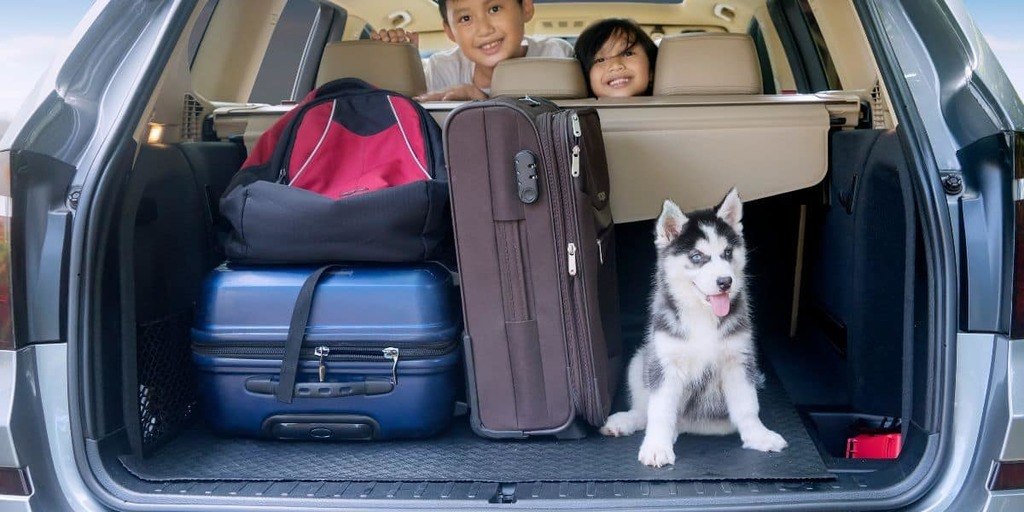
Siberian Husky That Travels WellJust like children, a lot of noise, uncomfortable movements, and unnecessary commotion can distress dogs. If an incident happens such as an unexpected toilet stop or travel sickness there is no need to make a big fuss about it. Clean up and carry onwards.
9. Frequent stops

Also like children, Huskies can get bored in the car. It is their nature. Pullover every hour and give your dog a bit of water and a walk around. You might have to bring along a bowl and water if there is none along the way. Of course, if your Husky is sleeping then push through and enjoy the journey!

10. Have a plan B

If you are heading quite a distance away from home, have you thought about what will happen to your Husky if your car breaks down? Check your auto association or mobile mechanic to see if they cover pet retrieval. Also, consider what if your dog really doesn’t like traveling? You might want to think about the possibility of taking it slow and easy, even if that means breaking the journey up over two days.

Not all dogs like travel and car travel especially can be disruptive and dangerous. We hope these pointers help you and your Siberian Husky travel safely and in good health.

How-much-Space-does-a-husky-need

How Much Space Does A Siberian Husky Need?

Siberian Huskies were bred as working dogs – pulling sleighs and assisting hunters. It is no surprise that they need space, but how much space? And can they survive in a smaller environment with little yard space?

The primary concern is not so much space they have, but rather how much exercise they receive. Here you can check, that Huskies can live in apartments given enough outdoor time for exercise and play. The physical and mental stimulation they crave is most important. It is not uncommon for Siberian Husky owners to exercise their adult dog for 2 hours a day, and that’s on top of playtime as well! No matter how large or small your yard is, if you can’t spend the time exercising and entertaining your dog then perhaps a Husky is not for you.

Siberian Husky needing more spaceAlso important is the security of your yard. Huskies are known for escaping and given the chance will try to jump and climb fences, or dig underneath. Fences need to be high, and also buried in the ground. Latches and bolts need to be secured or the dog will find a way to open them.
If left alone a Husky might become bored. This could be a problem if the dog is indoors, and will probably resort to tearing apart furniture and pushing objects around just to keep him/herself entertained.

Because Siberian Huskies are pack animals they go really well with another canine companion. Two Huskies will play with each other some of the days and reduce the tendency to become bored and destructive. Don’t forget double the dogs could mean double the trouble, vet bills, food, and toys!

Whatever you do you can not let a Siberian Husky roam the neighborhood, even if you are out in the country. Huskies like to run and will take off after smaller animals if given the chance. When exercising and walking your Husky you are likely going to have to leave it on a leash all the time.

So if you only have a small yard fear not, a Husky can and will survive, but it is up to the responsible owner to provide the exercise and stimulation needed every day of the Husky’s life.


Husky-Microchip

Microchipping Husky Puppy: Complete Guide

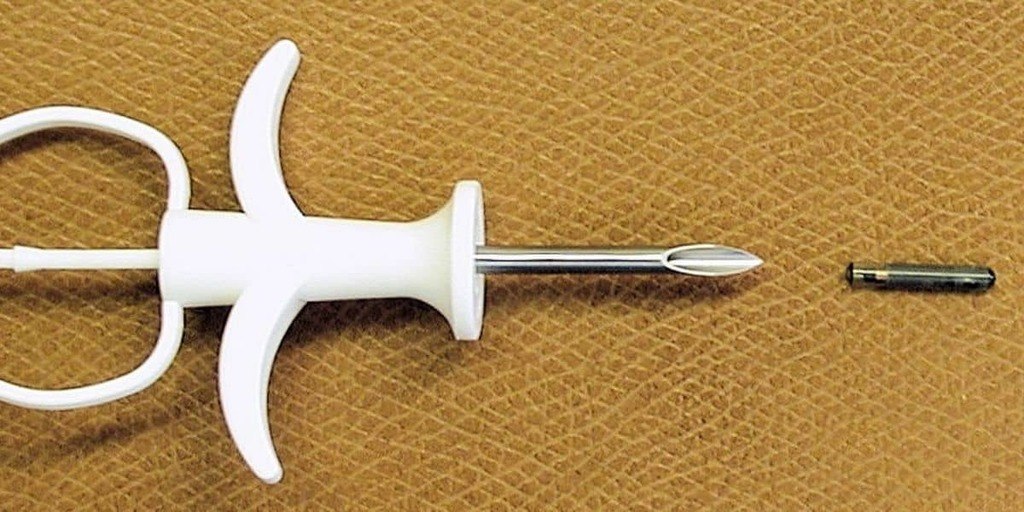
Microchipping is the process of implanting a very small electronic tracking device into a dog, for the purposes of identification should the animal ever go missing. Microchipping can increase the chances of your lost pet being reunited up to 5 times! It is so effective that in some places around the world microchipping is mandatory. Even if it isn’t required in your state, it is a very wise idea to get your Husky puppies microchipped. Whereas collars and tags can come off or be removed, the chip stays under the skin of the dog permanently.

Chip Insertion

The microchip itself is very small – around the size of a grain of rice. It is implanted with a needle in to the loose skin on the back of a dog’s neck. The dog feels little pain and does not require any anesthetic. It is not unlike getting a vaccination, and typically at the first vaccination, a puppy receives this would be an ideal time to get microchipped. It is a very safe and extremely common procedure that any vet can administer.

Cost

Microchipping should not cost more than $50 for insertion and activation of the tracking number. Some local councils, agencies, and shelters will do it for as low as $15. There is a chance that if you are adopting your Siberian Husky from a shelter, or purchasing from a breeder, the chip has already been implanted for you. Be sure to ask when you pick up your dog so that they can help you update the tracking information.

Siberian Husky Microchipped for Dog IdentificationTracking

Microchipping uses a very small electric device that is known as an ‘RFID’ tag. This is not a GPS device. You are not able to look up your pet’s current location on a map! However, the RFID will emit a number back to a scanning device (similar to a handheld barcode scanner) and that number can be used to retrieve information on various microchip registers. Registers include Anibase, RFID-USA, Microchip ID Systems, and others.

If there are multiple registers how do you know which one your Husky is registered at? Shelters and pounds will check as many registers as they can to find the owner. When the chip is inserted the vet probably has a preferred register that is well recognized in the local area.

Just remember to update your details with the register should you ever relocate your pet. Often this is as simple as updating details on a website or giving them a call. They will need to know where you live and what phone number to call you on should your pet ever be retrieved without a collar and tag.

Is it safe to microchip a dog?

Yes. With millions of pets chipped safely each year you shouldn’t need to worry about any ill-effect. The chips do not raise any allergic reactions, cause any new allergic sensitivities, or cause any tumors or cancers.


Even if your Husky is confined to a yard and never let off-leash, you should still get him or her microchipped. The cost is minimal and the benefits are valuable. You never know when that lead will break in your park, or your Houdini Husky puppy will find its way out into the street. Still unsure? Check out this ABC News video of a Husky that ended up hundreds of miles from home, but still reunited thanks to microchip identification.