• You are here:
  • Home »
  • Author's Archive:

All posts by Danny Bainbridge

husky leash training

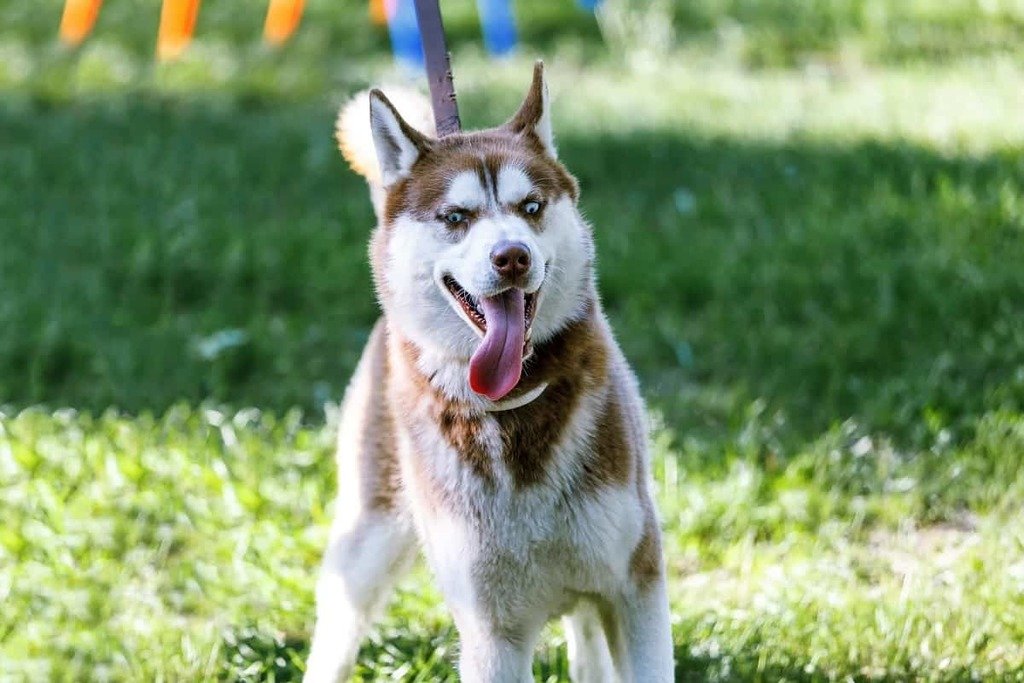
How to Stop Your Husky Pulling On the Leash

Husky Leash Training

The world is an exciting place! Especially when you’ve got the keen sense of smell and energy of a Siberian Husky. A walk around the block for a husky can be like a visit to Disneyland for a child – there is so much to explore and not enough time. Huskies pull because it gets them where they want to go, faster.

Huskies can be one of the more difficult breeds of dog to leash train purely because they were originally bred to pull loads. Pulling on their leash is just normal to them.

Other breeds might stop pulling simply because it’s frustrating, but to huskies, it’s not frustrating, it’s just life. That doesn’t make it less frustrating for you, the owner, though! Teaching your husky to stop pulling on the leash is one of the most important tasks of raising a well-behaved dog.

How to Teach Your Husky to Stop Pulling

Siberian Husky ClubsSo we know that yanking the collar or leash won’t help to teach your husky to stop pulling because they expect to drag heavy loads (which is what your yanking comes across as), and they’ll still get to their desired destination eventually. This is the key to dismantling this behavior: don’t let them get to where they want to go.

The easiest way to achieve this is to stop completely still when your dog is pulling. Don’t move at all until the leash goes slack. The dog will learn that he will only be able to move anywhere when the leash is slack.

Sometimes this can be difficult for very excited dogs or dogs with lots of energy, which is where the second tactic comes in…

When the dog pulls, turn at 180 degrees, i.e. go back in the opposite direction. This way your energetic dog still gets to be moving, but will soon learn that pulling on the leash only results in not going where he wants to go.

If the dog walks with a slack leash in that opposite direction you can reward his good behavior by turning back to the original direction, but if he pulls again you have to turn yet again. The dog can never be rewarded for pulling by getting where he wants to go.

Tips for Most Effective Results

Your dog is never a lost cause – you can teach your older husky not to pull on the leash. It is, however, far easier to teach good habits early on in the dog’s life than correcting bad behavior later.

Consistency is critical when leash training your husky. Everyone in your household must use the same commands and the same set of rules, or it will serve to confuse the dog, ultimately taking longer to train the dog properly.

Correction collars should only be used as a last resort and with a qualified trainer. There is potential for correction collars or choker chains to backfire with huskies, causing behavioral problems such as aggression.

Begin training your husky in an area with no distractions, preferably the backyard. Then move on to quiet areas of the neighborhood or off-peak times for other walkers and dogs. Your husky needs to be able to concentrate and get the basics down pat before you take on the big wide world!

Do you need more help? Check out Harness and Leash Training for Siberian Husky Puppies.

Harness, Leash, Or None At All?!

There are options when it comes to leashes or harnesses for any dog, and, like with any dog, choosing the right one for your husky depends on the individual circumstance.

When it comes to training husky not to pull on the leash, some people suggest that a leash is better because it gives strong physical feedback. If you don’t like the idea of your dog mildly choking, however, this isn’t the school of thought for you! Harnesses have been created for exactly this reason – they allow dogs to be walked without extra pressure on their necks or tracheas.

Siberian Husky with Harness LeashUltimately, the best option for training a husky (or any breed, for that matter) not to pull is to opt for a harness. Not all harnesses are made equally, however. A regular walking harness has the attachment for the leash at the back, between the shoulders.

Whilst it does have the benefit over a traditional flat collar and leash, it doesn’t discourage pulling. To discourage pulling, you want to find a harness that has the attachment point at the front. That’s why they’re sometimes called Anti-Pull Harnesses.

The joy of the front-attachment harness is that because of the site of the attachment, the dog gets pulled around toward the person walking him if he lunges or pulls. His direction is changed, he doesn’t get to where he needs to go, and ultimately achieving the goal of teaching your dog not to pull. The harness takes care of the hard work for you!

Siberian Huskies let off leash?

And then there’s the big question: can you let the husky of the leash? In a nutshell – no. Not outside your own home. Huskies are a breed that is built for endurance and can hunt their prey for hours. If you’re in public and your husky takes interest in a squirrel, you may have a very hard time getting them back.

If you get to the point where your husky is impeccably trained and you know you have total control to get them to obey you in an instant, perhaps then you could consider it. But if you’re only just starting to teach your husky not to pull, you’ve got a long way until you can abandon the leash all together.

Here you can find more about Siberian Huskies Off Leash.

Conclusion and Training Resources

Huskies are an energetic breed that needs daily exercise, teaching them to stop pulling on the lead from an early age is going to make your life as a dog owner easier and more enjoyable.

They’re one of the harder breeds to teach to walk with a slack leash, but it is possible! Start from an early age, in a quiet place, with a front-attaching harness, and remember: don’t let him get to where he wants to go. Your husky will probably never be able to go off the lead in a public place, so getting him to walk with a slack leash is essential!

Still need more help getting your dog to behave on the leash? Have a look at ASPCA article on holding a leash for more training tips.

Husky-Shedding

How To Deal With Coat Shedding of Siberian Huskies?

Siberian Huskies shed a lot! Sometimes constantly, more often periodically through the year. What can you expect and how to deal with it? Here are our tips:

What to Expect

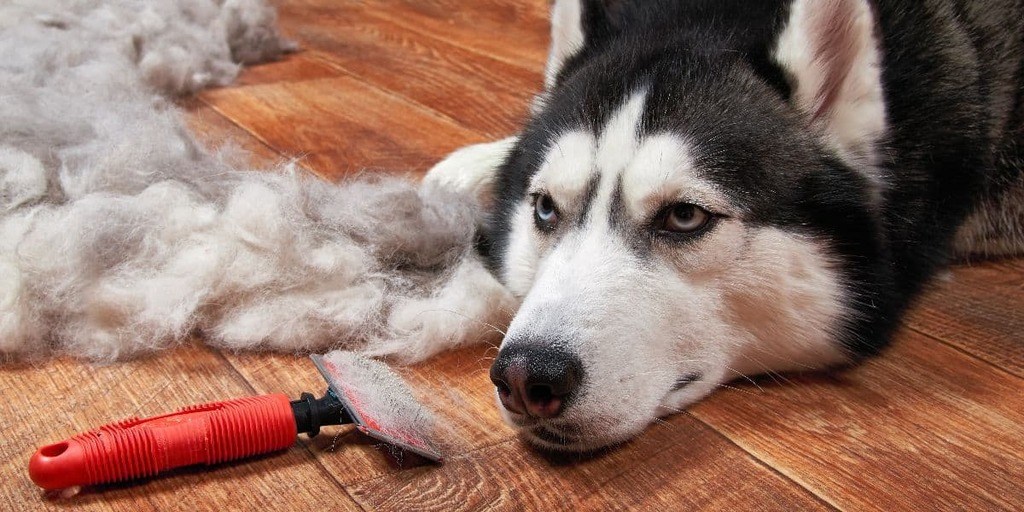
The shedding of the fluffy undercoat is also known as molting or blowing coat. As the new topcoat comes out, the undercoat is pushed out and deposited wherever the Husky goes. This will be in your yard, on the floor, on furniture, and on your hand if you stroke your Husky during molting season.

Typically your Husky will shed twice a year, once between September and February, then again between March and August. However, this isn’t a hard-and-fast rule. Some Huskies might shed just once, and others (particularly in warmer climates) will shed constantly through the year.

Shedding can take anywhere from two to six weeks, typically somewhere in the middle. During this time you will find yourself constantly vacuuming up the hair and fluff around the house. Many Siberian Husky owners suggest investing in a good vacuum such as a Dyson Vacuum to make the job easier.

First Shed

Your Siberian Husky Puppy will start shedding coat early on, from when you bring it home from the breeder, around 8 weeks of age. However, this might just be the odd hair. When the Husky is a bit older, around 6 months, you might experience the first coat blowing. Of course the larger the dog gets, the more coat it has, and more of a problem this will get.

Use the time early on to get the Husky used to be groomed. Even if the coat isn’t shedding, you can still practice combing your puppy and having it get used to the feeling of stroking it and pulling a comb through its fur. You might want to start off with a softer brush, and groom for short periods of time (5 minutes here or there). Have the puppy stand for you while you groom, and reward with a little food treat to help encourage this behavior.

Ongoing Grooming

Once the puppy is used to the sensation of a soft comb you might want to upgrade to one that is specially designed to extract dead hair. The “Furminator” is a very popular choice that is effective and lasts a long time, making it cost-effective. However, there are many brushes around and you can get advice at your local pet store if unsure. Check out our guide on the best brushes for huskies for more info.

Minimizing the Work

Nobody ever suggested owning a Husky would be easy! Grooming is one of the necessary jobs you need to do along with exercising and playing.

Shaving your Husky is a very big “no no”, no matter how warm your climate is. A Husky’s coat actually helps block out harmful sun rays and helps regulate the dog’s temperature. If you shave the coat off your Husky is likely to overheat or get cold very quickly, not to mention look ridiculous!

You can call in a professional dog groomer to help, but the reality is you can’t have them present 24 hours a day. You will just need to accept the build-up of fur around the home and try to deal with it the best you can.

Owners of smaller Husky dogs such as Minis and the Alaskan Klee Kai suggest the problem is more manageable because of the smaller dog size.

Wrapping Up

Owning a Husky comes with special responsibilities in the grooming department. Enjoy a positive attitude that after all the playful mess that your dog will leave during shedding season, you will have a very clean and good-looking dog for another 6 months!

Husky Howling And Barking

How To Control Your Husky’s Howling And Barking?

Husky Puppy Howling & Barking

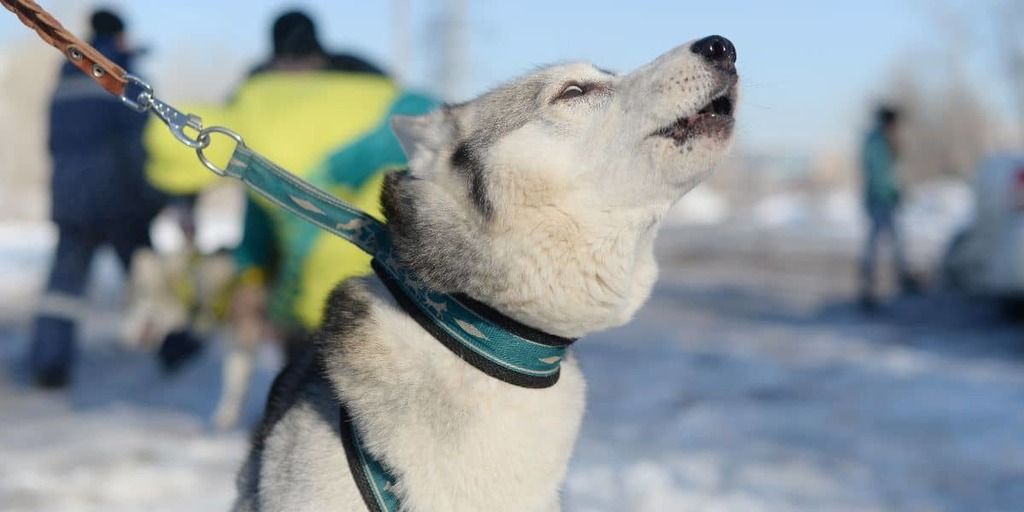
Having trouble keeping a lid on your noisy Husky? Your puppy won’t stop crying? Here are our top tips for controlling the situation and giving you (and your neighbors) some peace.

Try to Figure Out the Cause

When your dog barks, howls, cries, or whimpers he or she is trying to communicate. Your first job should be to try and figure out the cause so that you know what to fix.

Husky puppies barkingAlthough unlikely, your Husky might be injured or have a medical issue and crying out for help. That’s likely to result in whimpering at all times (not just at night) and whether you are around or not. If that’s the case you should, of course, get things checked out as soon as possible.

If, on the other hand, your Husky barks when you or other people are around, could this be a sign that they want something? Probably attention.

Huskies are social dogs that settle better in packs. Left on their own they might get bored and exhibit destructive behaviors. This includes being left alone at night, so you might want to think about bringing the dog inside and closer to others (see Crate Training below).

Another possibility is that something has your Husky’s attention. A squirrel or possum running across the fence? A neighbor’s cat? If your Husky barks and continues to do so when you are present, see if he/she is pointing you to what they are barking at.

Issue a “Quiet” command

Just as you teach your dog other commands, a “quiet” command might work. This would be part of the regular training of your puppy (which I talked about right here)  and require lots of feedback and patience.

You want to issue the command and wait for your dog to quieten down before a reward such as a small treat, praise, and pats. Regardless of the other methods on this page teaching your puppy a command to quieten down can not possibly be a bad thing, even if it doesn’t solve the problem this time.

More ExerciseSiberian Husky getting walked for exercise

To try and tackle boredom, especially if you aren’t around during the day, you should consider giving your Siberian Husky more exercise. Exercise and training start at an early age and are required for the life of a Husky. Go for brisk walks or runs morning and night and see if this changes the barking behavior. If the barking subsides, then you have found the cause and can do something about it.

Introduce a Companion

It might not always be possible but if you believe your Husky does suffer from separation anxiety, another canine companion (particularly another Husky) might be the answer. Huskies tend to get along and keep each other entertained.

You can contact your local Husky rescue organization and see if any animals need a temporary home. This will let you test the theory before taking on board another pet full time. Just make sure they are all spayed and neutered if you are mixing the genders! There is a list of Husky Rescue Organizations, we collected, as well as some tips on how to adopt a husky.

Best Howl & Bark Control Products For Huskies

As mentioned above there are several ways to stop husky puppy howling and barking.

The first approach should always be using training methods and for that, we recommend taking the time to learn more about barking in general so you can have an idea as to why a Siberian husky is barking or howling. To do this in the chart below we recommend a book titled “Barking: The Sound of a Language (Dogwise Training Manual)” which specifically focuses on barking. This book will give you a much deeper understanding of how your Siberian Husky communicates and will help guide you in the direction needed to manage the issue.

Secondly, you could try a device that uses an ultrasonic bark deterrent to keep your dog’s howl under control.

And finally, the third method which is closest to a shock collar is using a vibrating collar. A vibrating collar is a bit more humane than using an electric shock that your puppy won’t enjoy much.

Crate training

This is one of the most effective strategies at reducing howling and barking in any dog, not just Huskies. You can place a crate (a box to enclose an animal) inside your home closer to you, but still, keep your Husky contained so he doesn’t run amuck around the house.

Go for a large metal framed crate, even if it seems too big for your puppy because you will want to keep using this throughout the life of your Husky. Ensure the dog can get up, spin around, and lay down again. A blanket can help soften the environment and add warmth. A water bottle attached to the side is handy.

Please remember that the crate is not punishment. It is not a jail! It is a device, when combined with positive feedback, can help improve the behavior of your dog.

We highly recommend checking out this YouTube video to see how it can be done.

Other ideas

Still, struggling to control your Husky’s howling and barking?

  • You could try your local dog club, whether Huskies or a general one, and see what other people have tried.
  • You can add another toy such as a KONG to keep your puppy busy.
  • Finally, you could try a training collar for your dog. My preference, if you choose to go this route, would be this  Dog Training Collar – Rechargeable. It has a beeping and vibration setting, but also an electric shock, which I don’t recommend using in any case. But mostly, the beeping is enough to warn your husky and if she keeps on, you can use the vibration. I tried it personally and I have never gone further than the vibration setting.

Conclusion

If your Siberian husky puppy’s howling and barking are terrorizing your family and neighbors, don’t despair!

– First, check that your dog is healthy and not suffering from injury or illness. Work on teaching your dog to respond to a “quiet” command.

– Try more exercise or another companion and see if that helps.

– Crate training is also a great method for curbing antisocial behavior in dogs. You can also try devices such as the ultrasonic method, or vibrating collar.

There are lots of options out there and although it might take time and patience, you will be rewarded with persistence in training and feedback.

Husky-Vacation-Shots

Vaccination Shots for Siberian Husky Puppies

Siberian Husky Vaccination ShotsHusky Vaccinations

To keep your Siberian Husky Puppy healthy and out of trouble, you will need to organize vaccination and immunization shots for it, especially before leash training.

Puppies are still building an immune system which is why husky vaccinations are essential to protecting them from harm. These vaccinations start before you pick up your puppy from the breeder, and continue on for at least one year and possibly for the lifetime of your pet.

What are you immunizing against?

Immunizations that puppies get can be sorted into three groups.

These are:

  1. Essentials: Distemper, Hepatitis, Parainfluenza, and Parvovirus (DHPP)
  2. Optional: Leptospirosis, Coronavirus, Bordetella, and Lyme disease
  3. Rabies

Here is how each virus affects dogs:

  • Distemper is a virus that affects the lungs, intestines, and brain and results in a wide variety of problems in these organs, skin complaints, discharge, etc.
  • Hepatitis (also known as Adenovirus) is a virus that affects the liver and kidneys, possibly leading to organ failure.
  • Parainfluenza (also known as Kennel Cough) is an infection of the respiratory system, not unlike the ‘flu’ that humans suffer from.
  • Parvovirus is a highly contagious virus that affects the intestines resulting in a variety of complaints including depression and diarrhea.
  • Leptospirosis is a bacteria affecting the blood and urinary system, causing fever, depression, joint pain, and possible organ failure.
  • Coronavirus is a virus affecting the intestines and causes diarrhea.
  • Bordetella is a bacterial infection that can lead to Kennel Cough.
  • Lyme disease is a disease transmitted by ticks and can result in inflammation of the joints and general lameness.
  • Rabies is a viral disease affecting the central nervous system in both humans and dogs and can be fatal.

Vaccination Schedule

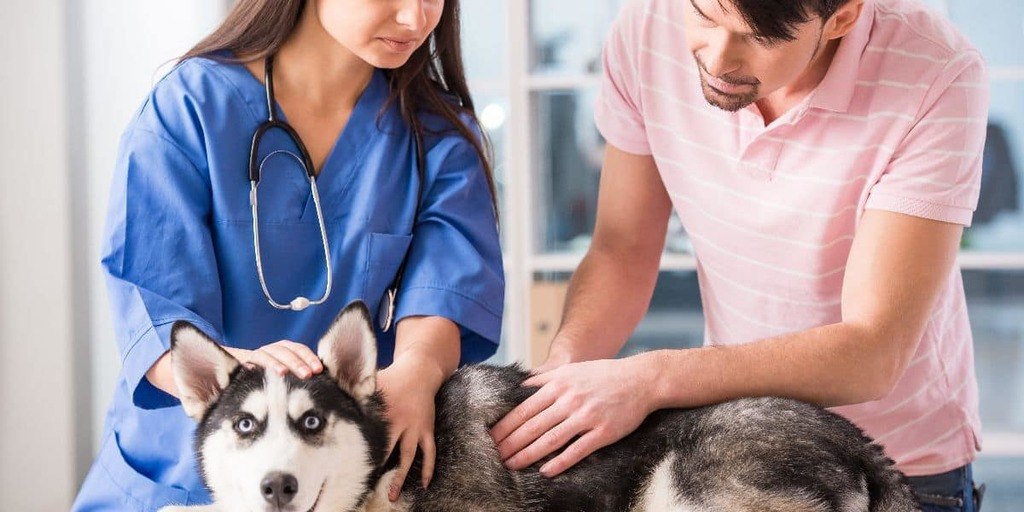
Siberian Husky receiving vaccination shotThis is a general guide as to which vaccinations are administered at what age of the puppy’s life. Your local vet (who will administer the injections for vaccination) might have a slightly different schedule that they standardize to and adapt to local environments where particular diseases might be more prevalent.

6-8 weeks: The essentials (DHPP). Given that most breeders will not release puppies until 9 weeks of age, DHPP should have already been administered.

10-12 weeks: DHPP, again, because immunity is only short-lived from the first round. Leptospirosis, Coronavirus, Lyme disease, and Bordetella are optional, depending on what threats there are in your local area. Your vet will help decide what is required.

14-16 weeks: DHPP again, and those optional vaccinations as required.

12-24 weeks: Rabies vaccination. The actual timing depends on local laws governing mandatory Rabies shots for puppies.

1 – 1.5 years of age, and every 1-2 years thereafter: Rabies, DHPP, and the options may require a booster. Whilst rabies might not be optional, DHPP may be. There is some concern of late that over-vaccinating dogs might not be such a good idea, or at least has minimal benefit. Some critics say ongoing vaccinations is just a way for drug companies to sell more product.

Happy Siberian Husky after immunization shotWhen you pick up your puppy from the breeder or adoption agency, you should find out what vaccinations have already been administered.

If all of the core vaccines have been done on your pup then there isn’t much to worry about. If not, then you should visit your local vet and organize a schedule for future vaccinations.

Many vets will send you reminders when the time comes so you don’t forget, and the procedure is quick and easy when the times do arrive to administer a booster.

So get organized, form out a plan and note it down in your calendar and get those Siberian huskies vaccinated! It’s not a difficult or expensive exercise to complete and will help to give your puppy the best chance at growing into a strong, healthy adult dog.

Socialize Your Husky Before Getting Vaccinations

Key Takeaways:

  • Introduce your new pup to friends so that they will get used to new people and be comfortable and confident at a young age.
  • Before your husky puppy gets vaccinated, keep them off the ground in public places and in the vet offices common area.
  • Bring water, treats, and blanket to keep your husky comfortable.

Let us know how your husky vaccination went!

Siberian-Huskies-in-Apartments

Can Siberian Huskies Live in Apartment?

The complete guide to Siberian Huskies in apartments

Are you considering raising a Siberian Husky in an apartment, or other small dwellings such as a flat, unit, bungalow, or inner-city townhouse? Be careful because you might have problems with noise and howling, exercise requirements, or space limitations. Whilst keeping a large dog in an apartment is not easy, it is possible to achieve harmony between you and your pet. Here are some things to think about before you adopt that cute Husky puppy and bring him or her home.

Can a Husky live in an apartment?

You can raise a Siberian Husky in an apartment. Give your dog a lot of exercises, and make sure the environment inside the apartment is suitable for a medium-large sized animal.

But there are some big challenges ahead. Very big! Not many Husky owners can pull it off.
Husky in apartment cartoon That little puppy you bring home is going to grow up pretty quickly.

Your small living environment might seem large to a 9-week old pup, but by 1 year the dog will be nearing adult size. Huskies can grow quite large, around 50 pounds and 23 inches tall. Key questions you need to ask yourself are:

  • Will my Husky have enough room to stretch and walk around?
  • Do I have shelving, tables, and other furniture resistant to bumps, chewing, and slobber?
  • Have I got the time and patience to clean up after my Husky if he or she makes a mistake? sheds hair? picks up objects and drops them all over the floor?
  • Can I isolate my Husky in a room if he or she is misbehaving, you have guests around or small children?
  • Does my apartment get hot? Huskies prefer a cooler and well-ventilated environment.

Don’t kid yourself, raising a puppy in an apartment is a challenge at the best of times. Huskies have special needs that make the job even more challenging.

Alternatively, you could get a miniature Siberian husky as well. Miniature Huskies are a bit smaller, therefore it will require a bit less space and of course maintenance too. 

Dogs in rental properties

If you are renting your home then you need to check with your landlord about what pet ownership rules apply. If you own your property then you still need to check with your building manager or body corporate. Some landlords are fine with dogs as long as they know in advance, but many places prohibit dogs of a particular breed, of a large size, or all dogs regardless.

Before considering bringing home any dog to a rented home you need to check out the rules that apply to your building. You should find these in your lease agreement, and it wouldn’t hurt to ask your property manager as well.

One reason dogs (and other pets) might be prohibited is the likelihood of complaints from other tenants. Many complaints about pets in apartments boil down to two problems: noise, and property damage.

Noise

Huskies are going to howl or bark if they are bored. It isn’t much you can do about that unless you are going to be around your dog all day long then there is a pretty good chance they will make some noise when you head out the door. And because apartments tend to be in very close proximity to each other, that noise travels easily.

You will want to approach your neighbors and get their feedback before introducing a dog into your complex. Let them know that there might be noise, and invite them to talk to you directly if they have concerns. The last thing you need is a landlord, or worse the local animal police, at your door responding to complaints!

Property Damage

Damage to property is another concern to landlords. Dogs have been known to scratch on walls, bump into things, and chew on anything in reach. Again this behavior is symptomatic of boredom and it will be your responsibility to keep your husky happy, and if necessary, pay for those repair bills.

Exercising Husky in an Apartment

Siberian Husky chilling on the couch in an apartmentHuskies need a lot of exercise. In an apartment, they need even more because they can’t get up and run around easily in the limited space available. You need to be willing to exercise your Husky every day no matter what! Whether rain, hail, or shine, and whether you are tired, sick, or hungry.

This goes for whether you live in an apartment or house of course, except that the chances are your dog will need to be exercised and played with two, maybe three times every day to avoid it turning destructive. Huskies often need more than walking. They like to get up to speed and have a run.

It would be ideal if your apartment is near a large park where your Husky can move around more, chase balls, and experience nature.

Potty Training an Apartment Dog

Housebreaking is an essential training activity for your puppy. We already have some housebreaking tips for Siberian Husky Puppies that you can check out. The same principles apply: get into a routine with meals, look for repeated behavior in your pet to suggest he or she is “about to go”, and head outside if you can.

Because you are unlikely to have a yard to let the Husky out to, and it might not be convenient to head out (e.g. you live up a few floors, or it is snowing outside) you will need to make a space in the apartment where he or she can do its deed.

Out of living and eating areas is a good idea, so hopefully, you have a suitably sized bathroom or laundry where you can lay down a large litter tray. You can use “pee pads” or “puppy pads” which are flat pads, kind of like diapers, that soak up the liquid. I really like this one All-absorb Training Pads on Amazon. You also want to be sure your apartment has sufficient ventilation to keep the air cool and dry.

Many apartments have limited options for opening windows and your Husky will suffer if it is left in warm stuffy environments, not to mention the smells that will accumulate.

Can I Leave My Husky Home while at Work?

Sometimes you will need to leave your husky in the apartment while you go to work, head down to the shops, or go out with friends. Hopefully, you are working hard at training your dog, particularly trying to keep him or her out of trouble. If not, just check these general tips on how to train your husky puppy and have an idea of where to start.

That means not wrecking the house! Crate training is likely to play a big part in this as it might be your only effective solution to restraining your dog. A checklist of things to think about when leaving your dog alone is:

  • Does it have clean water?
  • Does it need food?
  • Has it got a toy to play with? A KONG toy is popular and effective.
  • Is there sufficient ventilation?
  • It is not too warm, not too cold?
  • What if your puppy needs to go to the toilet?
  • Is he or she likely to howl, and which neighbors will be affected?

You also might want to consider starting with shorter ‘trial’ trips out of the home to see how your Husky behaves. Even as something as sneaky as head outside your door and sit in the hallway for half an hour to see what happens. Or if you need to go out for longer, get a friend or neighbor to drop in and check that everything is ok.

If you plan on leaving your husky home all day while you head out to work… well… good luck! It can be done but you will probably need a very well-trained and exercised dog. A long walk or jog in the morning, and another one when you get home, is probably what you need to give your dog to keep them stimulated.

And if you aren’t sure…

If you think you are up for bringing a Siberian Husky Puppy home to an apartment but want to make sure you can handle the responsibility, you could contact a local dog rescue organization. You might be able to foster care of a dog for a short period of time to see how you both go. If nothing else you will be doing your bit to help unwanted pets end up in the pound.

Keep these tips in mind if you live in an apartment and considering a Siberian Husky. 

It is not an impossible feat, but you want to be sure you are up for the challenge and special commitment that will be required of you. Still unsure? Check out this Q&A video from a Husky owner:

Feeding-Husky-Puppy

Feeding Siberian Husky Puppies

Husky Feeding Guide

So you are about to, or already have picked up your Siberian Husky puppy from the breeder. What food do you feed it? And what feeding practices are best to ensure the puppy grows up healthy? Here are our tips for feeding your puppy...

Take the breeder's advice

Hopefully you have taken our advice on finding a good Husky breeder and have been given a sheet of information with feeding instructions. The puppy's digestive system takes a little while to develop so it is important you follow the directions.

Typically you will engage in the same feeding rituals with the same food that the breeder has been using, at least until the puppy has settled in to his or her new home. Once settled you can then slowly begin to experiment with different foods and feeding habits.

As easy as 3-2-1

When the puppy is small it will not have a large stomach to eat meal sizes typical of an adult dog. You will want to start with three small meals a day, and move to two, then one.

Up to the age of 3 or 4 months, your puppy should eat in the morning, early afternoon, and early evening. Between 4 and 8 months (give or take a month) cut back to two meals, then by 9 months your puppy will be large enough to get through on one meal a day. 

Watch the weight

Siberian Huskies have a metabolism different from many other dogs. They are bred for harsh conditions and being able to work over periods of time with little food. For that reason you should hold back a little on the recommended meal sizes printed on the packaging of food.

 If your puppy appears to be getting overweight you can cut back some more.  If the ribs are pronounced then maybe increase meal size.  Check this weight chart by weeks/month,  to know  if your puppy on a right path. Also, do not hesitate to ask  your vet  to give specific advice on the feeding and health of your puppy. 

Consider feeding your puppy a premium food mix. Don't let the price fool you: cheaper mixes often have "filler" that requires a greater amount of food to be fed to achieve the required nutrition. Plus you want to make sure your puppy gets all the required protein, vitamins and minerals required for it to grow up healthy. Choosing a high-quality dog food to ensure a well-balanced diet will only help that. 

What to avoid

Like all dogs you want to stick to meat and vegetables. Avoid table scraps, cooked bones, onions and significant amounts of dairy. These can make dogs ill. For example cooked bones can splinter and cause significant damage to your dog's internals. Chocolate is also a no-no, it is very toxic to dogs. For more specific advice on foods to avoid click here for some specific advice on foods to avoid.

Also avoid having the dog hang around the kitchen. It will be easier in the long run if your dog has its own dinner time, separate from your family's dinner time.

Treats

The good news is you can treat your dog occasionally. Perhaps a biscuit every now and again, and little treats during training. See our advice on snacks and treats for more information.

Meal time behavior

Try to stick to meals at similar times each day, so that your puppy can get used to the behavior. After your puppy eats it might be time to take him or her outside to poop. Check out our advice on housebreaking your Husky puppy for further tips on this. Don't forget that your puppy needs fresh clean water AT ALL TIMES, and especially in that hour after a meal. The water helps digest the food and keep your puppy hydrated.


Feeding your Siberian Husky puppy is easy if you use common sense. Take your breeder's advice, start with small frequent meals and over the first year of growth pull back to just one meal a day. Treats are fine. If you think your dog is over- or under-weight, get it checked out by your vet. Shedding pounds off an overweight Husky can be a big challenge!

Husky Feeding Guide Video


Husky Raw Diet

Feeding your husky raw food is possible, though is recommended to be done all at once. If you choose to go this route it is recommended not to mix kibble with the raw meat as their bodies will digest it differently. Check out this video below about Gohan the husky who was switched over and is now raw feeding.  In the video his own discusses his meals, his health, and the changes he noticed after the change over.

Conclusion

We hope that this has helped you in figuring out how to much to feed your husky puppy and if you need some help in choosing food, check out this guide to the best dog food for huskies.

Let us know what worked for you below in the comments! We always love hearing from fellow siberian husky owners!

Miniature Husky Breed Guide (Price, Breeders, & More)

What is a Miniature Husky?

There’s no doubt that humans love having husky as companions. Yet, there also seems to be a trend of making dog breeds even smaller, the pocket-sized version to be more suitable for limited space in housing. 

That’s where the idea of the Miniature Husky came from.


 The Miniature Husky is a small version of Siberian Husky, created by purposely breeding small-sized dogs from the litter. This breed is known for being friendly, intelligent, and high-energy. Just like a regular Husky, mini Huskies are known for shedding their undercoat twice a year and being prone to eye disorders. They can cost up to $3000.

There are several other breeds, sometimes called a mini huskyteacup husky, miniature husky, or toy husky simply because of the size and appearance, but these dogs have different characteristics and are not to be confused with the original Miniature Siberian Husky. The most popular are:

Mini Husky Origin

To understand the history of the Miniature Husky, you first need to learn about the standard Siberian Husky.

The Siberian Husky originated in Siberia (now a part of Russia) several thousand years ago. The breed worked closely with the Chukchi people, excelling as a sled-pulling dog also a family companion. The breed was also known for roaming the area and hunting in packs.

Siberian Huskies were eventually brought over to Alaska in the early 1900s as sled dogs used by locals during the booming gold rush.

There’s no doubt that humans love having husky as companions. Yet, there also seems to be a trend of making dog breeds even smaller, the pocket-sized version to be more suitable for limited space in housing. 

That’s where the idea of the Miniature Husky came from.

Miniature Siberian Husky

Miniature Siberian Husky

Back in the 1990s, Bree Normandin set out on a trek to make a miniature version of the highly popular and lovable Siberian Husky. This was made possible by intentionally breeding small-sized Siberian Huskies with one another across several generations. The result was an exact replica of a Siberian Husky, but sometimes only half the size. 

The breed has been around for nearly 30 years now.

The American Kennel Club doesn't recognize Mini Siberian Huskies as a distinct breed.

It’s important to note that the only difference between the Miniature Husky and the Siberian Husky is the size. These are the same exact breed in the genetic sense and they share the same colors, behaviors, and other traits as their bigger cousins.

How Does a Mini Husky Look Like?

Siberian Huskies have often been noted for their wolf-like appearance. They are striking, beautiful dogs, with thick fluffy coats and perky, erect ears. Miniature Huskies share the same physical traits, just miniaturized.

white mini husky with grey face mask

Size and Weight

These dogs grow to 18-25 pounds, compared to a full sized Husky of between 35 and 60 pounds. As mentioned above the miniature husky dog shares similar characteristics to their full sized ancestors, just a smaller version.

Don't think that because they are small they are weaker... definitely not! These little guys are strong and although might not pull a sled on their own, will pull on a leash and require suitable leash training from an early age. Their shorter stature also means they might not walk as far as a Siberian Husky before fatigue sets in, but they still require a lot of daily exercise.

white mini husky outdoor without a leash, sitting and licking his nose

Photo from Kennel "Song of Ice"

Coat

Both Siberian Huskies and Miniature Huskies have a thick double coat. Double coats consist of two layers: an undercoat that traps heat, and a longer topcoat that protects the bottom coat.

During the shedding season, Huskies lose their undercoat. In the summer, their topcoats reflect heat. This helps them to tolerate warmer temperatures.

Miniature Husky coats come in a variety of color variations. Most often, they will be a pattern of white and black, but you will also see rarer coloring include red and white, brown and white, all black, all white and sable huskies. 

Two mini huskies lying on the grass

Photo from Kennel "Song of Ice"

Miniature Huskies, like Siberian Huskies, will often have patterns and markings in their fur. Some of them might also adopt a woolier look as a result of thicker and longer hair.

Their coats are extremely thick, and so require grooming and attention. You should brush your miniature Husky’s coat at least once a week. It’s important to note that you should not cut or shave your husky’s hair. Doing so can result in heatstroke during warmer months.

Refer to our Husky Shampoo Guide to keep your husky’s coat shining and soft throughout the year.

Face

Siberian Huskies are notable for their resemblance to wolves. They often have patterned markings on their facial fur. Miniature Huskies have the same appearance, in miniature form.

Eye Color

Siberian Huskies most often have blue or brown eyes. Huskies commonly have heterochromia, a condition that causes the eyes to be of different colors. For example, one eye might be brown while the other is blue. This is also known as being bi-eyed

Sometimes a husky will be parti-eyed. This means that a brown eye might have a speck of blue, or there might be a speck of brown in a blue eye.

Related: Husky Eyes Color: Complete Guide

Ears

Huskies have pointed, erect ears that take on a triangle shape. The ears are often referred to as being “wolf-like.” The husky, like most dogs, is known to have excellent hearing.

Nose

Like most dog noses, husky noses are cool and wet. 

Husky noses vary in color. They are usually black, but sometimes brown, red-brown. Some huskies have what is referred to as a “snow nose.” A snow nose will be pinkish colored during colder weather and return to its regular color during the warmer months.

Miniature Husky Temperament

The Miniature Husky is a very unique breed given the history of the Siberian Husky. This breed came from Siberia and spent a significant amount of time outdoors in the snow, pulling sleds and working. Keep in mind that the temperament of the Miniature Husky will vary.

  • High Energy

The Miniature Husky is perhaps one of the most active dog breeds that you can get. They need constant mental stimulation through playtime and sometimes up to 2 hours of exercise on a daily basis. The Miniature Husky thrives with an active family that enjoys spending time outdoors and running around.

  • Stubborn

The Miniature Husky is more stubborn than difficult to train. Miniature Huskies are known for being resistant to following the rules and will attempt to rival your dominance in your household. The breed is also known for being a little dramatic, so don’t be surprised if your Miniature Husky throws temper tantrums full of howling and whining. Professional training is a must early on.

  • Friendly

The Miniature Husky is known for being extremely friendly with other dogs and humans if properly socialized at a young age. It’s not uncommon for a Husky to run up to dogs while at the dog park and begin playing with new friends practically immediately. The breed also craves human attention from family and friends, so this is not a dog that should be left alone at home.

  • High Prey Drive

The Siberian Husky spent his early days roaming across Siberia, unguided and fending for himself. That’s why the Miniature Husky might not build a strong relationship with cats or small animals in your home that can be seen as prey. A fenced-in yard is absolutely necessary if your Miniature Husky is known to give chase to small animals, like squirrels.

  • Mischievous

The Miniature Husky is incredibly smart but sometimes is too smart for his own good. Left unattended, it’s not uncommon for Miniature Huskies to get a little rebellious to see what they can get away with. A lack of mental stimulation and physical activity might lead your Miniature Husky to break the rules of the house or venture out of your yard.

Can They Live In Hot Weather?

Given the origins of the Siberian Husky, it should come as no surprise that the Miniature Husky can survive in temperatures well below freezing (sometimes as cold as -60℉). Yet, the double coat of the breed allows your Husky to stay cool during warmer months as well.

However, a Miniature Husky should not be left in very hot temperatures for too long. This can result in severe overheating, dehydration, and even death. Make sure your dog has constant access to water and a shady place to rest when outside in hot temperatures.

Related: How to Care For Huskies in Hot and Tropical Climate?

Are Mini Huskies Good With Other Pets?

Miniature siberian husky getting along with big leonberger

via Instagram:@lorenzo.leonberger

The Miniature Husky will do just fine in a home with other dogs, especially other Huskies. These breeds are known for living in packs and enjoy having playmates living in the same home. This can help your Husky to burn more energy during the day through playtime.

Unfortunately, the high prey drive of the breed makes owning cats and smaller animals a difficult task. Don’t be surprised if your Husky attempts to chase and catch your cat, rabbit, ferret, or any other small household animal.

Do Miniature Huskies Make Good Family Dogs?

The friendly and gentle nature of the Miniature Husky makes this the perfect breed for families with children. They are extremely social and thrive on attention, so they will tolerate the curiosity and energy of kids well. 

They are also great companions for family outings and will accompany you and your kids on long walks, hikes, or picnics in the park.

If you have young children in your household, be sure to educate them on responsible ways to interact with animals. Even the best-behaved dog can react negatively when prodded or poked the wrong way by a child. Children should never be left alone with dogs and should be taught how to get along with canines.

Housing Requirements

black amd white mini husky at the apartment

via Instagram:@minihusky.milo

The fact that Miniature Huskies can weigh as little as 15 pounds makes them a great fit for small homes and apartment living. Yet, the small size of this breed doesn’t mean less activity and exercise is necessary.

Your Miniature Husky will need a large yard to run around in for sometimes several hours a day. The yard should be fenced-in to keep your Husky from jumping or climbing over when he sees a squirrel sneaking through the fence. Huskies are also known to dig under fences to escape.

Remember that the Miniature Husky is known for getting a little mischievous if left alone for too long or left to his own devices. This includes being out in the yard or in the house, so be sure to keep your dog entertained as often as possible.

Grooming

With a double coat, Miniature Huskies can leave your home covered with hair throughout the year. That’s especially the case when they’re blowing their coats. This is when your dog’s undercoat will begin shedding in clumps to make room for the growth of healthy hair.

The blowing of the coat usually happens twice a year, most often during weather changes in the spring and in the fall. The whole process will last about two weeks in total, but it can be sped up with frequent grooming.

Brushing

Frequent brushing is absolutely necessary to speed up the blowing process and limit the amount of hair that gets stuck on your furniture. Throughout the year, brushing your Miniature Husky once or twice a week should be more than enough. During the blowing season, you’ll probably want to ramp this up to once a day.

The brush you’re using to groom your Husky will make a huge difference in the impact of shedding. You should be using a brush meant specifically for dogs with undercoats.

The Oster ShedMonster De-Shedding Tool is a great option for your Miniature Husky. This tool will help to gently remove the loose hairs from your dog’s undercoat without yanking or pulling out any healthy hairs. It also has a press release button that removes any hair latched into the brush. Now you don’t have to worry about plucking clumps of hair out of the brush by hand.

Note: Under no circumstances should you shave a Miniature Husky! Many people believe that this is a good idea for reducing shedding and keeping a Husky cool in the summer. This is not true in the slightest and might make your dog more prone to overheating.

Bathing

The Miniature Husky is a great dog to have if you don’t want to spend thousands of dollars at the groomer each and every year. That’s because the Miniature Husky only really needs to be bathed once every few months.

In many cases, your Husky will only need a bath if he gets a little mischievous and rolls around in dirty water or mud while outside.

Bathing your Miniature Husky too often might even be bad for his coat and his skin. The last thing you want is for your dog to have itchy skin. This can lead to excessive scratching and even hair loss in severe cases.

Going to the groomer 3 or 4 times a year might make the grooming process much cleaner and effective for your family.

How Much Should I Exercise a Mini Husky?

There’s no doubt that the Miniature Husky is one of the most active dogs you can add to your family. Your Husky will probably be spending a good hour or two per day running around and playing to burn off whatever energy he has leftover.

But the Husky isn’t a breed that you can just let out into the yard to run around every time. He’s also going to want to spend time with you -- his family -- when he has his playtime. This also serves as the perfect chance to bond with your dog.

Here’s a look at what you might want to do to keep your MIni Husky active and calm:

  •  Several 30-minute walks per day (2 or more)
  • Tug-of-war
  • Fetch with a tennis ball, Frisbee, or squeak to
  • Chew toys

Just be aware that your Husky’s style of play might not be what you’re used to. Don’t be surprised if he wants you to chase him around the yard in order to get the Frisbee back from him after you toss it.

Sending your Husky out to play on his own too often might result in him chasing squirrels, climbing or jumping the fence, destroying your outdoor furniture, or digging holes.

Diet

What’s great about breeds like Miniature Huskies is that they’re much smaller physically. That means they don’t need to eat as much and will save you a good deal of money over the years.

Exactly how much your Miniature Husky eats will depend on his weight.

The general rule of thumb is that dogs as small as 15 pounds should be eating about 1 cup of kibble per day while dogs as heavy as 30 pounds should be eating closer to 2 cups a day. Yet, the actual amount your dog eats also comes down to how active he is during the day. More active dogs will need more calories to replenish the calories they burn through play.

Puppies should be eating more calories during the day, typically spread out among three meals. Adults should be eating two meals a day instead.

What you feed your Miniature Husky is perhaps even more important. That’s because Husky breeds are known for having delicate stomachs and digestive issues. That means it’s a good idea to invest in kibble made for sensitive stomachs and digestion. 

You might also want to add some wet food to your Husky’s diet if he has a low appetite. The smell of meaty wet food might encourage him to eat and maintain a healthy weight.

Supplements

Your dog won’t need supplements to survive, but consistent use of supplements starting in puppyhood can reduce the likelihood of certain conditions and improve the quality of life. 

For Miniature Huskies, common conditions include eye problems and joint issues.

That means you might want to give your dog joint supplements in the form of chondroitin and glucosamine. These will help to keep your Husky’s joints lubricated and activity levels in good shape. Supplements that include Omega-3 fatty acids, particularly DHA, will help to improve eye health in cataract-prone Huskies.

Are Miniature Huskies Easy to Train?

It’s not uncommon for Miniature Huskies to resist your dominance and attempt to rule the roost. Letting your Husky get away with even minor rule breaks when he’s young will encourage him to continue this behavior into adulthood. 

Not training your Husky in puppyhood will be a nightmare later on.

According to the American Kennel Club, it’s best to start training dogs when they’re as young as 7 to 8 weeks old. This training should be taking place both in the home and with the assistance of a professional dog trainer.

Training includes:

  • Teaching basic commands like Sit, Down, Come, and Stay
  • Potty training outdoors or on an indoor potty pad
  • Leash walking
  • Puppy socialization (through classes with a certified trainer)

The problem with training Huskies is that they aren’t always food-motivated. So you might not be able to convince yours to sit or walk nicely on a leash by just putting a meaty treat in front of his face. If that’s the case, you’ll need to see what your Husky does enjoy. You might be able to reward your Miniature Husky with playtime, his favorite toy, or even a few pets instead of food.

All of my previous training tips for Siberian Huskies are suitable for miniature huskies. Of course being a smaller breed of dog you probably won't be exercising as much, or feeding as much, especially when it comes to treats. You will want to use smaller treats and not overdo it. 

For more detailed dog training tips including a comprehensive (and affordable!) online course I recommend Doggy Dan's page, as it proves to be very effective online training courses for Siberian Husky.

Leash Walking

Teaching your Miniature Husky to walk on a leash can be the most difficult part of the training. Though your Husky probably won’t be large enough to pull you down the street, there’s a good chance he’ll be attempting to pull you along the entire time.

That comes from the history of the Siberian Husky as a sled-dog.

Yet, your Husky pulling against the leash on a regular collar can put a dangerous amount of pressure on his neck and his throat. That’s especially the case if he pulls for the entire walk or if he suddenly lurches in one direction while chasing a squirrel or chipmunk.

It’s a good idea to get a harness for your Miniature Husky instead.

The Voyager Step-in Air Dog Harness is a solid choice if you’re looking for a soft and gentle harness for a Miniature Husky that loves to pull. This harness will connect to the leash at the back and will limit your Husky’s ability to pull without crushing his windpipe. The soft material is gentle on your Husky’s skin if he does decide to pull.

Life Expectancy

 Miniature Husky is known for living between 12 and 15 years. However, helping your dog to stay active and eat a healthy diet can greatly extend the projected lifespan.

Regular visits to the vet, along with regular exercise and grooming, will ensure your pup a long, healthy, and happy life.

Related: How Long Do Huskies Live?

Common Health Problems

Just like every breed out there, the Miniature Husky does have a few conditions that it’s more likely to be diagnosed with. The good news is that Huskies aren’t usually known for being overweight, which means greater overall health.

Eye Issues

The eye problems seen commonly in Husky breeds seem to be hereditary. Though blue eyes are more sensitive to sunlight, there doesn’t seem to be a verified link between eye color and eye disorders in Huskies.

Cataracts might occur in as many as 1 in 10 Huskies. This is a condition where the cornea of the eye begins to take on a cloudy appearance. Small-sized cataracts don’t typically impact vision, but a 100% opacity will result in complete blindness in the affected eye.

Corneal dystrophy is also a common eye condition in Husky breeds. This condition can also result in a cloudy appearance. More commonly, corneal dystrophy will cause slight sensitivity to bright lights or even pain in the eyes. Blindness is possible in severe cases.

Canine Follicular Dysplasia

Canine follicular dysplasia is a condition seen in Miniature Huskies (and plenty of other breeds) that involves hair loss around the trunk area. This most commonly develops when your puppy is between 3 and 4 months old.

Joint Issues

Hip dysplasia typically impacts heavier dogs, specifically because a higher body weight puts extra pressure on the joints in the hips and elbows. Yet, this condition seems to be hereditary in Huskies, regardless of their size. 

Hip dysplasia is a condition where the femur (the bone in the upper rear leg) doesn’t fit smoothly into the hip socket. This causes the grinding of the hip joint over a period of time. This condition can be extremely painful and limit your Husky’s ability to run and move as he should.

Miniature Siberian Husky Price

Since Miniature Huskies are bred purely for the allure of having a miniature dog, you’ll almost never find this breed in a shelter. That means you’re going to be spending full-price to buy this puppy from a Miniature Husky breeder.

What you end up paying will depend on how close you live to a breeder.

In most cases, you can expect to pay $2000 to bring Miniature Siberian Husky puppy home. Mini Huskies that come from a good line or have unique markings might cost you upwards of $2,500. You also have to factor in travel costs, which can bring your expenses well over $3000.

You can drive across the country to pick it up yourself, if you have the time and gas money. Alternatively (and perhaps more practical) you can have the puppy air-freighted to you via commercial passenger airlines. This will attract handling fees between $100-150, plus the cost of the flight ($200-400).

Whichever way you look at it the Miniature Siberian Husky is not a cheap puppy. Prices are likely to remain high for many years to come until breeding stock increases.

miniature husky playing with brown toy

via Instagram:@minihuskyhachi

The Yearly Cost of Owning a Mini Husky

Bringing home a Miniature Husky puppy is definitely pricey, but you also need to factor in the cost of care for this dog from puppyhood to adulthood.

For food, you should expect to feed your Husky no more than 2 cups of dry food per day. Since there are about 4 cups of kibble in every pound of dry food, a 30-pound bag of Purina Pro Plan Sensitive Skin and Sensitive Stomach Dry Dog Food might last you a good two months. So expect to spend around $25 a month on dry food.

Then there are the much-needed supplements to keep your Miniature Husky healthy well into adulthood. Supplements like the Pet Naturals - Daily Multi for Dogs will provides essential fatty acids and antioxidants that can be degraded in the production of common pet foods. With 150 soft chews per jar, this should cost you about $9 a month.

Miniature Siberian Husky

Make sure you think about the cost of getting your Miniature Husky the necessary round of puppy shots during his first year as well as a yearly checkup, totaling about $200 between the two visits.

Grooming can be another $50 or so for each visit, so going to the groomer three times a year will tack on an extra $150 to ownership.

Costs to Own a Mini Husky puppy during the first year?

What You Need

Cost

Food

$300

Supplements

$100

Puppy Shots

$100

Vet Visit

$100

Grooming

$150

TOTAL

$750

You’re looking at about $750 during the first year and potentially $650 a year to care for your Miniature Husky after that. This doesn’t include the cost of grooming products, toys, beds, and emergency vet visits. Be sure you have enough money to cover the additional costs that come with pet ownership.

Where Can I Buy Mini Huskies? 

There is a long wait list for Miniature Siberians. Two months if you are lucky, more like four to six or longer. You may be required to pay a non-refundable deposit just to get on that waiting list!

The breed is so exclusive that if you are in the USA or Canada you are pretty much only able to deal with one or two parties. If you are outside of these areas, your only hope is to export the puppy yourself out of the country, which is a time consuming, expensive, and potentially frustrating exercise.

There are very few Miniature Siberian Husky Breeders around, that we know so far:

In the USA: Check this private breeders:

In Canada: Try contacting Canadian Pomsky who are reportedly offer Miniature Siberian Huskies in addition to their regular Pomski puppies to Canadians. 

A WARNING! Puppies For Sale

There are some reports floating around on the Internet (such as here or this Facebook group) , suggesting that that deposits are being taken without any delivery, and that the lineage of the miniature huskies may not be pure. We can not confirm nor discredit these claims. Please do your homework, establish communication channels, and get a realistic idea of delivery before placing a deposit down at any breeder, not just this one. Remember that supply is extremely limited and long waiting lists can apply. Responsible breeding takes time to build up enough puppies to meet demand.

Can I Rescue a Miniature Siberian Husky?

Forget it! The tiny numbers of Miniature Siberian Husky puppies, and their exclusive nature, means you just won't see them turning up in pounds and shelters. However this should not deter you from adopting a standard Siberian Husky from a rescue shelter. If you want to help save an animal, you really should check our list of Siberian Husky Rescue Organizations and Agencies , that you can make contact with and find out more about what they do and how you can help.

 Is There Any Alternatives to Mini Husky?

There are two closely-related breeds to Huskies that are keeping the adult dog size small whilst still keeping most of the same appearance and temperament of a Husky. These are the Miniature Siberian Husky, and the Alaskan Klee Kai.

Often mistakenly referred to as Mini Huskies, the Alaskan Klee Kai is a breed in its own right. It is different from the Miniature Siberian Husky and more closely related to the Alaskan Husky. However there are similarities and the good news is that Klee Kai's have more breeders and better puppy availability, including outside the USA. More information can be found in our article on the Alaskan Klee Kai.

Miniature Husky FAQs


Are Miniature Huskies Hypoallergenic?

No, Miniature Huskies are not hypoallergenic. They shed a lot during their shedding season, and will also shed a bit throughout the entire year.

Dog allergies come from dog hair. Dog saliva and allergy-inducing dander get stuck to the dog hair, which then gets spread throughout the home. Huskies have thick, layered coats and their hair can spread easily throughout your home.

If you have a family member with bad pet allergies, consider purchasing a non-shedding dog. Non-shedding dogs like poodles will spread less saliva and dander filled hair throughout the home.

Can I Kennel My Miniature Husky?

Miniature Huskies are extremely active, energetic dogs. They do not take well to being kennelled for most of the day. They depend on love, affection, and attention.

If you work long hours and are looking for a dog breed that can handle being kenneled for hours at a time, consider a labrador or other breed that needs less exercise. 

It’s important to note that all dogs need exercise and affection, and should not be kenneled all day without relief.

Conclusion

The Miniature Husky has become an extremely popular dog breed in the last several years. Here’s what you need to know about the breed before bringing one home:

  • They’re known for being very active and friendly.
  • They need a fenced-in yard and a few hours of playtime a day.
  • They get along well with dogs and children, but not with smaller animals.
  • They blow their coat twice a year and only need baths when they get dirty.
  • They need to eat between 1 and 2 cups of food a day.

We hope all you Siberian husky lovers learned a lot! We want to hear about your quest to finding the perfect mini siberian husky! Let us know below in the comments how you managed to find a  breeder!

Husky Weight

Is My Husky Puppy’s Weight Normal? – Husky Weight Chart

Siberian Husky Weight

The adult weight of a Siberian Husky is typically 45 to 60 pounds (20 to 27kg) for males, and 35 and 50 pounds (16 to 23kg) for females. That's the AKC standard for the breed. But what about a growing Husky? How do you know if your puppy is underweight, overweight, or just right?

By 12 months of age the Husky puppy has pretty much reached adult height. From there on the muscle mass bulks up a bit, thanks to exercise and diet, to reach adult weight. If on your dog's first birthday they are over the adult weights then there is a chance your Husky is overweight and this should be attended to before the condition worsens.

Under a year old the dog is growing quite fast, and like humans dogs are a little inconsistent in when growth spurts will happen, so it can be difficult to suggest an ideal weight range.

However it is generally regarded that at 12 weeks of age (3 months) the husky will be about half of adult weight. The average weight of male Siberian huskies will be around 23-30 pounds (10 - 14kg) and average weight of female huskies will be 18 to 30 pounds (8 to 11kg).

If we want to talk about younger than 3 months (but not much) we can say that an 8 week old male husky will weigh around 10 - 15 pounds (4.5 - 6.8 kg) and a female will weigh roughly 8 - 12 pounds (3.5 - 5.5 kg). And if we are talking about a miniature husky, then that is a totally different topic. 

Siberian Husky               Weight Chart

Age

Male Husky

Female Husky

8 Weeks

10 - 15 lbs / 4.5 - 6.8 kg

8 - 12 lbs / 3.5 - 5.5 kg

3 Months

23 - 30 lbs / 10 - 14 kg

18 - 30 lbs / 10 - 14 kg

6 Months

33 - 43 lbs / 15 - 19 kg

26 - 36 lbs / 12 - 17 kg

9 Months

40 - 53 lbs / 17 - 24 kg

33 - 46 lbs / 14 - 21 kg

12 Months

43 - 57 lbs / 19 - 26 kg

34 - 49 lbs / 15 - 22 kg

15 Months

45 - 60 lbs / 20 - 27 kg

35 - 50 lbs / 16 - 23 kg

Is My Husky Fat (Overweight)?

A rule of thumb to determine an overweight dog is to look top-down and compare their waist to their chest. If the waist is wider than the chest then there is a chance the dog is carrying a little more weight than it should.

12 week old husky puppy of correct weight

12 week old husky puppy of correct weight

What can you do about a fat husky? If you are feeding them a lot of snacks and treats you might want to cut back a bit. Feeding your husky puppy less human food and instead good quality dog food is the way to go.

Food scraps from your own dinner might be higher in fats than what your dog requires. Dog food tends to be higher in protein to more accurately represent a traditional animal diet, promote muscle growth and not fat storage. 

Also, consider feeding him a quality low-fat dog food. We were using this one from Amazon - Hill’s Science Diet Weight Management Formula and it seems to work the best for maintaining the healthy weight of our huskies.

You should also consider the amount of exercise you are giving your puppy. A slight increase in exercise, duration and/or intensity, might be enough to help the dog fall slowly to a more reasonable weight. Be gentle though - an overweight dog isn't going to be as strong, agile, or have the same stamina as a perfectly healthy dog. If you want to know more, here are our top five tips on exercising your Husky puppy.

Is My Husky Underweight?

The tell-tale sign that a dog is underweight is that the rib bones are clearly visible across the chest. In this case similar advice applies for an overweight dog - look at the diet and feed more wholesome pet food with a high protein component. A bit more exercise can help promote muscle growth.

If you suspect something else is at play - for example your puppy refuses to eat - definitely get it checked out by your vet. There could be an underlying health condition affecting appetite that needs to be treated.

Conclusion

Slight variances from the Siberian Husky breed standard are to be expected while a husky puppy is growing. At 12 weeks you expect a husky to be about half adult weight, and by 12 months well on its way to reaching adult weight. Over- or under-weight dogs should be cared for with an improvement in diet and exercise. Of course, if you are concerned about the health of your puppy a trip to the vet is warranted.

 Catching problems early on can avoid more costly vet bills later, not to mention the more difficult to change your puppy's eating and exercise habits. If you are interested in balancing the weight of your husky this 5 tips to exercise your Siberian Husky might help you to better maintain the body weight of your little friend.

siberian_husky_big

How Big Do Siberian Huskies Get?

Siberian Huskies can be so small and cute as puppies, but how big does a Siberian Husky get?Small, Medium, Large Siberian Husky

The AKC Siberian Husky Standard quotes an acceptable range for an adult male to be between 21 and 23.5 inches tall (53 to 60cm) and weighing 45 to 60 pounds (20 to 27kg). Females are a little smaller, between 20 and 22 inches tall (51 to 56cm), and weight between 35 and 50 pounds (16 to 23kg).

However this is the AKC standard, and of course, dogs sometimes exceed this. Some people report Huskies growing to 100 pounds (45kg) although this would be an extreme and could suggest an overweight and under-exercised dog! If you are not sure about your husky normal weight, check the weight chart for Siberian Husky

In comparison, a male Golden Retriever is 23-24 inches tall and 65-75 pounds, and a male Labrador Retriever is 22-24 inches tall and 65-80 pounds. That is to say, the Husky is a touch shorter and lighter, but not by much.

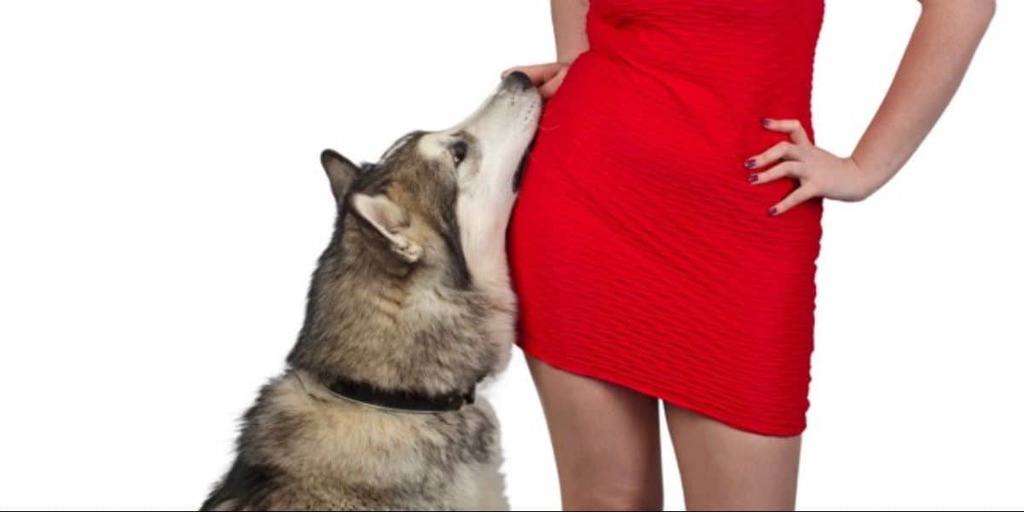
A Siberian Husky big enough to reach a woman's waistHuskies can expect to live for 12 to 15 years, but they have reached adult height more or less by the end of their first year. From then on, they increase mass as muscle builds up around their frame. That means the little cute puppy you see at the breeder is going to grow really fast in the coming months.

Also, consider the size as it relates to grooming. Being a larger dog with a double coat, Huskies will shed a LOT of fur each year and leave it EVERYWHERE around your house and garden! Keep this in mind if considering a Husky puppy for your household and you like your place to be spotless. If you want to know, how to deal with a coat shedding of your husky, here you can find some tips –  How to deal with Coat Shedding of Siberian Husky

Miniature Huskies

Some selective breeding has developed a smaller Siberian Husky called the Alaskan Klee Kai. These range from toy size (9 pounds in weight, 13 inches tall) to miniature (10-15 pounds, 15 inches) to a standard (16-23 pounds, 17 inches). Because they are a relatively new breed from a smaller gene pool, the breed is still being developed and is relatively rare to see out and about.

They share many of the traits that full-sized Siberian Huskies exhibit: shedding, an abundance of energy, and a life span of around 14 years. Expect prices from breeders to be at a premium because of the rarity – think $1000+ for a puppy. The smaller size is likely to increase in popularity over time but it will take a number of years of experienced breeding to develop a population of healthy Klee Kais.

Siberian Husky puppy chewing on a toyIn addition, there is a Miniature Siberian Husky which you can read about in detail in a separate article. These are essentially a smaller Husky, sharing similar behavior and temperament to a standard husky, bit much smaller!
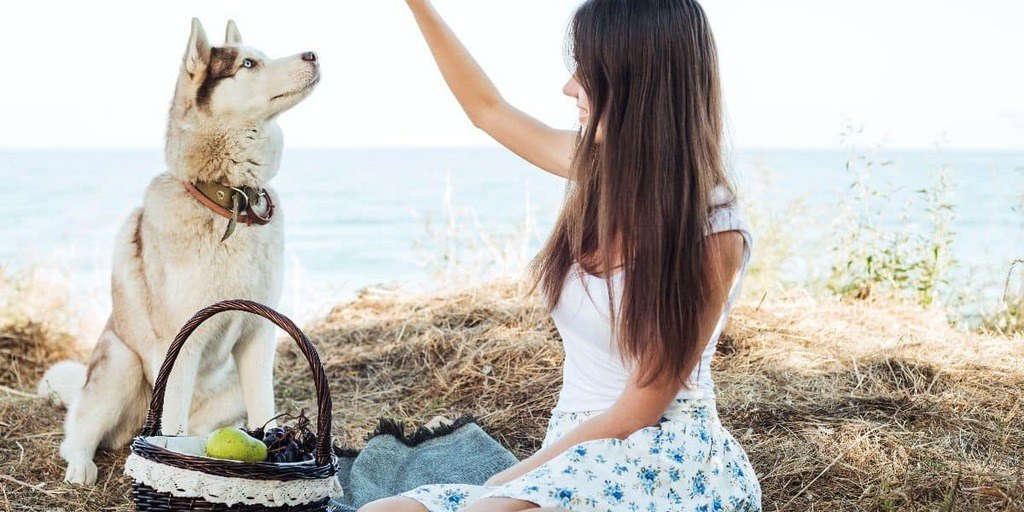
 

So there you go – Siberian Huskies will grow almost to the size of a Golden or Labrador retriever, and they will grow very fast in their first year of life. Keen to learn more about the breed? Check out our breed information articles that cover all you need to know about Huskies and their characteristics.

Husky-Training-General-Tips

Training Siberian Husky Puppies – General Tips

Siberian Huskies are intelligent dogs, but can also be stubborn, and grow bored easily. Training a Husky puppy is not easy. You will need a lot of patience and dedication to properly train a Siberian Husky. Are you up for the challenge?

How difficult is it to train a Husky?

Cute husky puppy outdoors on the grassIf you are new to the breed then you need to assess yourself first. Sure, Huskies look all cute and pretty, but are you prepared to train and exercise your dog every single day?


Siberian Huskies are difficult to train. Rewarding in the long run, but difficult. If you haven’t owned a dog before then you might want to consider adopting an older, trained, and socialized Husky or consider a different breed. 

Before acquiring your first Husky you might also want to get in touch with your local Siberian Husky club where you can meet owners, play with the animals, and get a feeling for whether this is the breed that is right for you in your current lifestyle.


 Top Training Tips for Your Husky

1. Be the leader of the pack

As any Husky training guide will suggest, you need to be the leader of the pack. Be the “alpha dog”, so to speak. That does not mean you will be aggressive, loud, or violent. It does mean you need to exert dominance over your dog. Huskies will not obey if they view their owner as passive or weak.

Being the leader means firm commands, with consistent wording, and applied consistently. No bending the rules, ever! If one rule can be bent then your dog will think all rules can be bent!

For example, when passing through a gate or doorway, you lead and the puppy follows. When playtime is up, you remove the toys from the puppy’s possession. You decide when and where the puppy sleeps. Crate training is also likely to be an appropriate activity. In short: you lead, and your Husky should follow.

2. Start early

As soon as you bring the puppy home you want to settle into a routine. Each day you and your puppy will need to sleep, eat, poop, play, and exercise. The great thing about routine is that it helps build trust with your puppy, plus helps you remember to get through all the activities that need to happen each day.

Training is not something that necessarily stops at a certain age. As your puppy grows up certain behaviors and routines will become second nature, only to be replaced with more advanced training and exercise. Thankfully some training such as housebreaking your Husky puppy will settle down and not require constant attention.

3. Give Feedback  (immediate, clear, and consistent)

You will be well equipped to take on the challenges of raising a Siberian Husky puppy if you are armed with these three feedback concepts: 

Immediacy

Feedback needs to be given as soon as the dog exhibits a behavior worthy of it, whether that be good behavior (demanding positive feedback) or bad behavior (demanding negative feedback). By ‘soon’, we mean within 5 seconds – straight away!

Why so soon? Because you want the puppy to connect its own behavior to your response. The puppy is constantly exhibiting different behaviors: playing with this, wandering over there, lying down, getting up, and on it goes all day long.

Siberian Huskies can get bored easily. If you wait just a few moments too long your puppy is probably already doing something else! Your response will either encourage the puppy to repeat the behavior or discourage it.

black and white husky getting a treat as a reward for good behavior

Clarity

The words you say and the actions you take when issuing feedback should not leave any doubt as to the purpose; positive or negative. How you verbalize positive feedback (“Good boy”, “Good Girl”) should be distinctly different in sound to how you verbalize negative feedback (“Bad Dog”, “No”). Some trainers recommend using special words and avoid “Yes” and “No”, which are commonly said in everyday conversation.

For example, your Husky is likely to only hear “Good Boy” in the context of its own behavior unless you also have a young child and using Good Boy to him as well! In which case an alternative phrase should be picked for the dog such as “Atta Boy”, “Yup-Yup”, or whatever you choose. Pick something and go with it for the life of the dog!

“No” comes up often in everyday human speech that it would be wise to pick an alternative. Shibashake recommends “Ack-Ack” instead. By saying “Ack-Ack” instead of “No” your dog will associate that command exclusively with its own behavior and adjust accordingly.

Consistency

Siberians are smart dogs, but you still want to be consistent to remove any doubt as to the type or purpose of feedback. By using the same words each time your Husky will associate them with good or bad behavior.

Just as important is to give the same feedback every single time. If your puppy likes chewing on your shoes, then never once let him or her get away with it! Repeat the same negative feedback words every single time. Don’t leave any doubt in the puppy’s mind that the behavior will be tolerated!Feeding Your Siberian Husky Puppy

Similarly, if your puppy does good by sitting still while you plate up the food bowl, you can and should give positive, reinforcing feedback each time. Even if the puppy seems to have mastered self-control at feeding time, there is no reason to stop loving your dog for behaving!

If you are using more than words for feedback, and you probably are, such as scratching behind the ears or giving the puppy a cuddle, make sure that is consistent as well. You don’t want to cuddle the puppy for positive feedback on one occasion, but then on another after negative feedback also cuddles because you feel sorry for the puppy. Consistency is the key.

4. Don’t give up!

Training is going to take time. Not just a few days here or there, but consistent training, every day, for many months. Don’t give up! If something isn’t working over a period, try something else. Ask other Siberian Husky owners at your local club what has worked for them. Check out our other tips on training Husky puppies for advice on specific issues.

Training a Siberian Husky puppy requires effort, dedication, and persistence, but please don’t let that put you off! Training can be fun, enlightening, and rewarding for puppy and trainer alike. Improved relationships between your pet and yourself, your family, the general public and other animals is the secret to successful pet ownership!

Conclusion

Husky puppies can be a handful at times but with patience and dedication, you will get there and very much enhance the bond between owner and pet