Tag Archives for " husky behavior "

Can Huskies Talk?

Huskies are an incredibly popular breed of dog. Not only are they incredibly beautiful animals, but they are also well known for their intelligence and loyalty. You will find several videos of what appears to be these dogs actually talking with their owners across the internet.

Huskies can’t actually communicate via “talk” like humans can, but they are known to be a talkative breed. And they are incredibly good at making their vocalization sound like words. Like their close relatives, wolves, they tend to whine and howl when prompted, which to us may sound like “talking.”  

In this article, we will explore this subject in detail. We will also look at why and when huskies "talk" and how you can interpret these "talks." Let’s get started!

Origin of the Husky Talk: Why do They "Talk"

You will find several videos such as this one online of what appears to be huskies talking.

While we have clarified that huskies can’t communicate with their talk like humans can, they do appear to "talk" more than most other breeds of dogs. This has mostly got to do with their genes.

Huskies are direct descendants of the common ancestor between dogs and wolves. As such, you will find that they share many behavioral traits with wolves, more so than most other modern breeds of dogs. If you observe a Husky talking, you will soon notice that a lot of these talks lead to a howl. This behavior is also common in wolves.

Unlike most dogs, Huskies and wolves will not bark as often. They will do so every now and then, but you will not notice any sustained barking like with the other breeds. Barking is a trait that evolved with guard dogs that needed to alert their human masters of any disturbances occurring nearby. In the wild, within the pack, this isn’t as useful a feature. Most wolves will communicate with one another with whines and howls.

Huskies share the communicative skills of wolves and the domesticated behavioral traits of dogs. So when you talk to your husky, they’ll basically try and respond with their closest imitation of a vocalization. Also, when they’re frustrated, they tend to whine more vocally than most dogs.

Reasons Why a Husky May Be Talking

Most often, a Husky will talk as a response to a sound you make or play. Most dogs will howl at the sound of sirens or other high pitched sounds. This is particularly true for a Husky. And every now and then, they will howl to a sound that you can’t even hear. So if you find a husky whining and howling for no reason, this is most likely the explanation.

Huskies will also talk to greet another dog in the vicinity. Huskies are pack dogs so they will communicate with each other with howls, moans, whines, chirps, and whimpers. So it is likely that you husky is just saying hello to another dog nearby. Also, as pack animals, they are used to joining along to any howl by a member of the pack. So if a Husky hears another dog barking or howling nearby, there’s a good chance it will join along.

Also, if you talk to your husky or play some sort of music, you will find them trying to imitate these sounds as well. While it may be tempting to interpret this as them “talking back,” this is simply their pack instincts kicking in.

Every sound you make is an invitation to your husky to “howl” along. If the sound is continuous, it will prompt the husky to howl. If not, they will whine and moan, which will sound like them “talking.”

Interpreting a Husky’s Talk

If your husky starts “talking” , here are some possible reasons behind it.

1. They Are Hungry or Thirsty

Most dogs will whine and moan when they’re hungry and thirsty. Huskies being “talkative” breeds do a lot more of it. And if you talk back, chances are it will interpret this as some sort of an invitation. And they will talk back more.

Make sure the husky is well fed, and its bowls are filled with water. Also, make sure you are well-informed on how and what to feed your husky.

2. They Have Been Pampered

Husky dog in bed covered with blanket and surrounded by toys

via Instagram: @missbellalunab

Huskies are intelligent dogs. And since they are so vocal, there’s a good chance people will pamper them more than other breeds. Could you say no to a cute little husky puppy whining and asking for a treat or a toy? Of course not. Most owners in this way inadvertently play along to the husky’s whines and “talks” and end up spoiling them by giving them what they want. This habit will continue on into their adulthood.  

3. They Want to Go Outside

Huskies were originally bred in the open terrains of Siberia. As such, this breed requires more outside time than other dogs. A husky that wants to go outside will resort to talking and whining until it is allowed to do so.

Two husky puppies running and playing with each other

via Instagram: @fabian_travels

Most huskies will also start “talking” when they’re bored. If you don’t have time to play with it, you’re better off letting it go outside and letting the adventure of the outdoors treat its boredom.

4. They Are Injured or Sick

Huskies will also whine and moan more than other breeds of dogs when they’re injured or ill. Make sure to check for any wounds, and if there’s none, take them to the vet to check for any underlying illness.

Some huskies will also start whining and moaning when they’re afraid of something. Unlike most dogs that will simply snuggle by your side when they hear loud sounds or thunderstorms, a Husky will actually “talk” through the commotion.   

Huskies Talking: Other Facts to Consider

There are a few other factors worth considering about Huskies that talk. For instance, younger Huskies seem to talk a lot more than older ones. This is mostly because younger dogs crave more attention than older dogs. This starts early on, with humans more likely to react positively to the puppies that talk the most. This creates a great platform of positive reinforcement for these puppies to develop their innate ability to imitate and talk for attention.

Senior husky dog with different eye color resting his head on the toy

via Instagram:@vcobianp

As the dogs start getting older, they lose much of the energy they had as younger dogs. And with this, they also lose their general interest in getting your attention. Our advice is to make the most of your husky’s talk when it’s younger. Just don’t spoil it in the process.

If you’re among the rare few who would actually want their huskies to stop talking as much as they do, you can use negative reinforcement. Simply ignore your husky while it is whining and moaning. It will be hard at first, but once you start punishing it by ignoring it when it talks and then promptly rewarding it once it has calmed down, this will soon get wired into the dog’s brain, and it won’t talk as much.

Conclusion

Huskies are a talkative breed of dogs. They are well known for their ability to vocalize their emotions and they’re much better at it than most other breeds of dogs. They are also pretty good at imitating the sounds or voices they hear, which explains all those viral videos of Huskies telling “I love you” to their owners.

But if you’re considering buying or adopting a Husky puppy just because you’ve seen a lot of fun videos online, you need to know there’s a lot of effort that goes into raising one properly. Just make sure you’ve done the necessary research. 

two husky being vocal

Why Are Huskies So Vocal?

Huskies are some of the most friendly, joyful, and loving animals to keep at home despite their vocal nature of howling like wolves or jackals. Their natural howls are what makes them unique from the other dogs.

Huskies are vocal for many reasons, including their ancestry, separation anxiety, for defense, injury or illness, environment, boredom, attention, and much more. Knowing the root cause of their howling can help you take necessary measures to reduce or prevent the howling altogether.

But before deciding to keep them at your home, you need to understand why they’re vocal and how to train them to stop. 

Why Huskies Are So Vocal

As mentioned above, huskies can be vocal for various reasons. They may howl because they’re lonely, want attention, are bored, hungry, excited, and feel playful, among many other reasons.

Huskies Have Sensitive Hearing

Unlike human beings, dogs have sensitive hearing. For this reason, your husky might be reacting to something you are unable to hear. Huskies also get distressed by everyday noises like power drills, vacuum cleaners, and high pitched sounds. These sounds are much louder to them, compared to human beings, hence the distress. 

They Might Be in Pain or Discomfort 

Some howls can be due to discomfort or in pain. Huskies howl when in pain or have an injury; however, this howl is different than normal. They might also act strangely from the discomfort. In such a case, ensure you see the vet.

Boredom

Due to their active nature, huskies might be noisy because they are bored. Your dog needs to get enough stimuli from the environment. It could be howling because it needs to be active.

They Are Descended from Wolves

light coated wolf being vocal in the woods

Photo by Ramiro Marquez from Canva.

Huskies and wolves share similar traits. It is in their nature to be vocal and active. However, with a little training, it will get used to the domestic environment.

The howling of a husky can be too noisy for you to tolerate, especially if it’s a habit. If this is the case, a little bit of taming can do wonders for your pet. By tracking their behavior, you can stop this behavior and create a quiet, enjoyable home environment.

However, getting huskies to stop howling is not an easy task, since they are vocal by nature. It may take months of patience and persistent training to make them stop and allow yourself a quiet lifestyle.

If you are yearning for peace, quiet, and a good relationship with your huskies, you should spend plenty of time with them, assess their needs, and teach them to respond to your instructions. Exercise and rewards (treats and snacks) can go a long way to making your four-legged friends docile. 

How to Deal With Vocal Huskies

3 month old cute husky puppy in nature howling

 Here are a few ways you can deal with your vocal husky:

1. Find Out the Cause

When huskies are howling or whimpering, they're trying to tell you something. The first thing you should do is to figure out what's making them howl, so you know how to fix it.


It’s possible that the dogs have a medical issue or have been injured and are crying for help. This is likely to make them howl at all times. Get them checked out by a vet.


On the other hand, if the huskies bark when people are around, they probably are looking for attention or warning you of what they perceive to be potential danger. 


They may have also spotted a cat, possum, squirrel, or other wild animal near the house. If this happens, look around to see what is making them howl.

2. Tire Them Out With Exercise

Generally, huskies are quite active, and they'll love it if you take them out to exercise. You can walk them around the neighborhood or the park several times every day, or engage them in games like fetch, frisbee, rally obedience, agility, or flyball.


Have a daily schedule in place, with different exercises for each day. Let exercise be a routine they will adjust to easily. You can also give them a job, like pulling sleds and other heavy objects such as wheeled boxes and wagons.


Following a regimen after discovering what is triggering the howls can help you change the huskies’ routine and keep them preoccupied until they forget the howling. When you see no changes, tweak the schedule until they adjust properly.

3. Train Them to Obey Commands

Dogs are easy to train, and they'll listen keenly to your instructions if you take time to train them. However, you will need to put in a lot of patience and dedication to make them obey you.


You can start by making them stop howling. This you can do by commanding them to "QUIET" down when you catch them howling or about to howl. It will show them that howling is unwanted behavior that needs to stop.

4. Only Reward Them for Obeying Commands

One of the best ways to indulge your huskies is to reward them with treats when they don’t howl. Whenever they start howling, you should stop the rewards and ignore them completely. They’ll realize that you don’t condone bad behavior and stop howling.


Once they quiet down, you should continue with the rewards and provide playtime and affection. With time, they'll know that staying quiet attracts good things and adjusts to good behavior.

5. Try Changing Their Routine

When your huskies constantly howl during the day or night, you should try to eliminate all possible causes. 


For instance, they may be howling because they're under-exercised. If this is the case, you will need to increase their workout and see if they'll change their behavior or change the routine. Doing things differently can help you discover if their being too vocal is a response to their environment. 


If they stop or minimize the howling, you’ll know that your tactic of altering their routine and increasing exercise levels has worked. 

6. Train Them to Overcome Separation Anxiety

Huskies howl a lot when they suffer from separation anxiety. Being naturally social animals, separating them from their pack to keep them isolated at home triggers the barking. So whenever you leave them alone at home, they’ll howl all day. 


To calm them down, you can leave the television or an audiobook on and provide enough food and water supply for the day. This way, it’ll seem as if the house is occupied. If you are interesting to try, we recommend you to check "A Dog's Purpose" (You can play it on Audible for free if you get their free 30 day trial) 

7. Employ Systematic Desensitization and                  Counter-conditioning

Sometimes huskies howl when something triggers them, like a nearby siren, the barking of a dog, or some other kind of noise. They only stop when the sound stops. Such vocal behavior can be excessive when the trigger is frequent. To curb this, you can employ desensitization and counter-conditioning techniques on the dogs. 


Systematic desensitization and counter-conditioning involve changing the huskies' underlying reasons for their current behavior problem, such as their feelings and motivation. It includes treating the anxiety, fears, aggression, phobias, and any other behaviors that arouse the howling. Involve a certified professional to help you address this condition.

8. Spend Quality Time With Your Huskies

Sometimes those four-legged pals just need some companionship to shut up. They need to interact regularly with their new human families. If they are too vocal when left alone, just create time to spend with them. 


Take them out for a walk, jog, sprint, or some sports. Bring them inside at the end of the day or take them to their training classes and have fun. When you have to leave them at home for any reason, provide plenty of chew items and toys to keep them busy.

Conclusion

Huskies can be extremely loud and stressful, but they are amazing companions. They are relatable and emotional which makes them a perfect addition to your family.

With the correct training strategy, you can easily tame and turn them into indispensable members of the family. All you have to do to make them adapt to their new environment is to:

  • Determine their needs
  • Solve their problems
  • Train them to obey your commands
  • Reward them for their obedience
  • Get friendly


Husky-Microchip

Microchipping Husky Puppy: Complete Guide

Microchipping is the process of implanting a very small electronic tracking device into a dog, for the purposes of identification should the animal ever go missing. Microchipping can increase the chances of your lost pet being reunited up to 5 times! It is so effective that in some places around the world microchipping is mandatory. Even if it isn’t required in your state, it is a very wise idea to get your Husky puppies microchipped. Whereas collars and tags can come off or be removed, the chip stays under the skin of the dog permanently.

Chip Insertion

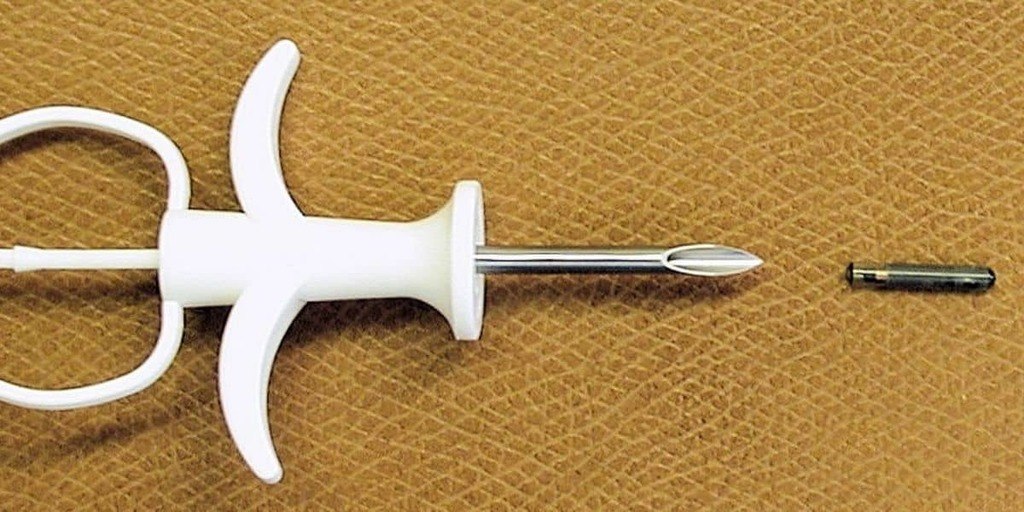
The microchip itself is very small – around the size of a grain of rice. It is implanted with a needle in to the loose skin on the back of a dog’s neck. The dog feels little pain and does not require any anesthetic. It is not unlike getting a vaccination, and typically at the first vaccination, a puppy receives this would be an ideal time to get microchipped. It is a very safe and extremely common procedure that any vet can administer.

Cost

Microchipping should not cost more than $50 for insertion and activation of the tracking number. Some local councils, agencies, and shelters will do it for as low as $15. There is a chance that if you are adopting your Siberian Husky from a shelter, or purchasing from a breeder, the chip has already been implanted for you. Be sure to ask when you pick up your dog so that they can help you update the tracking information.

Siberian Husky Microchipped for Dog IdentificationTracking

Microchipping uses a very small electric device that is known as an ‘RFID’ tag. This is not a GPS device. You are not able to look up your pet’s current location on a map! However, the RFID will emit a number back to a scanning device (similar to a handheld barcode scanner) and that number can be used to retrieve information on various microchip registers. Registers include Anibase, RFID-USA, Microchip ID Systems, and others.

If there are multiple registers how do you know which one your Husky is registered at? Shelters and pounds will check as many registers as they can to find the owner. When the chip is inserted the vet probably has a preferred register that is well recognized in the local area.

Just remember to update your details with the register should you ever relocate your pet. Often this is as simple as updating details on a website or giving them a call. They will need to know where you live and what phone number to call you on should your pet ever be retrieved without a collar and tag.

Is it safe to microchip a dog?

Yes. With millions of pets chipped safely each year you shouldn’t need to worry about any ill-effect. The chips do not raise any allergic reactions, cause any new allergic sensitivities, or cause any tumors or cancers.


Even if your Husky is confined to a yard and never let off-leash, you should still get him or her microchipped. The cost is minimal and the benefits are valuable. You never know when that lead will break in your park, or your Houdini Husky puppy will find its way out into the street. Still unsure? Check out this ABC News video of a Husky that ended up hundreds of miles from home, but still reunited thanks to microchip identification.

Siberian-Husky-Facts

10 Fun and Interesting Facts about Siberian Husky

The Siberian Husky is gorgeous to look at and a bundle of fun. Here are ten fun and interesting things about Huskies you may not know:

1. Siberian Huskies are not wolves but evolve from a common ancestor

Huskies originate from Siberia many hundreds of years ago and they belong to the Spitz genetic family which, at least for the last 5000 years has not been influenced by wolves. But as high-arctic dogs, they share some genetic similarities with Taimur Wolf. They may look similar to wolves, but their behaviors are very different.

2. Huskies would rather lick than bite you

A Husky’s behavior is typically fun-loving and energetic. They do not make good guard dogs. In fact, the presence of somebody is likely to excite them and invite play, rather than protect them. They are great with kids and, if you can keep up with their energetic nature, can be great family pets.

3. Siberian Huskies are fast

Huskies were bred to pull sleds and hunt, and need a lot of exercises to fulfill this need in domestic environments. Unleashed they can run 30mph, which is why lead training is so important, and having them off-leash is sometimes frowned upon, or at least risky. Huskies have been bred to run for long periods of time across the wilderness. You might have trouble keeping up.

4. Siberian Huskies shed a lot

And by a lot, we mean A LOT!! Luckily their grooming requirements are quite minimal and shedding only happens once or twice a year.

5. Siberian Huskies are escape artists

Their nature to be out and about can play havoc if left alone unattended for periods of time. Huskies will work independently to find a way out of the yard, so you better make sure the latches can not be undone. Playing with your Husky, especially from an early puppy stage, will help satisfy some of that itch to move about.

6. Siberian Huskies thrive in both cold and warm climates

Originating from Siberia the Husky can survive in extreme cold down to minus 70 F.  They can also live quite happily in warmer environments, sub-tropical and even tropical where their coat insulates them from the heat. However, you do need to be aware that they need more water and may not do so well with extended, vigorous exercise sessions.

7. Siberian Huskies have ears that stand up

Whilst you may think of Labrador Retrievers or Golden Retrievers as larger dogs with floppy ears, the AKC breed standard specifies ears that stand up. But if your Husky’s ears flop down, no need to frown! Every dog is different and it is these little things that make them special.

8. Siberian Huskies may have eyes of different color

Siberian Husky puppy with different colored eyes

Brown and icy blue are the typical colors of a Husky eye, but sometimes you get one of each! This is sometimes known as ‘parti-eye’ and is quite normal and acceptable for the breed. Even more amazing is they are all born with blue eyes but can change color after a few weeks!

9. History Lesson: Huskies saved the town of Nome Alaska

The famous 1925 Serum run to Nome Alaska saw teams of Huskies pull sleds and vital medicine across Alaska. Balto and Togo were two of the dogs that helped save the town. Now, how’s that for an impressive feat for man’s best friend?

10. Siberian Huskies are one of America’s most popular breeds

The AKC registration statistics reveal Siberian Husky as America’s 16th most popular breed in 2020, and now consistently in the top 20. Who can resist a cute Husky?

Husky Facts For Kids (In Video)

We know that getting your kids to read this post is next to impossible, so we made a short husky fact for kids video to help them enjoy it too. Just click play!

Wrapping Up

Huskies are really cool dogs, and we hope that this list of husky facts gave you some new insight into what Siberian Huskies are and what they like to do. Check out some other awesome husky articles below!