Tag Archives for " issues "

Husky Health Issues

Husky Health Issues

Siberian Huskies are robust dogs and can be expected to live for 12 to 14 years. However, their lifespan may be cut short due to several health problems that we’ll discuss in this section. Some of them are older Husky problems, while many others develop early on.

Hip dysplasia and a number of eye issues are the main ones to look out for when selecting a husky puppy.

Here is a summary of these problems and what you can do to help select a healthy puppy.

Hip Dysplasia in Huskies

Hip Dysplasia is relatively common in larger dog breeds. It is a genetic fault resulting in an abnormal formation of the hip socket. The head (top) of the thigh bone does not fit snugly into the pelvic joint socket, causing pain and arthritis. The effects can be anywhere from mild to debilitating for the animal. Hip dysplasia affects both male and female huskies and can affect either or both hip joints.

Hip dysplasia develops over the husky’s early life, and by 18 months is usually present if it were to occur. Identification in young puppies is not possible, but because it is a genetic defect you can minimize the chances of acquiring a puppy prone to dysplasia.

The good news is that through careful breeding the complaint has had a marked reduction over the past decade and is not the widespread problem it once was.

The Orthopedic Foundation For Animals has a registry with a free search facility on its home page. You can look up information on a dog you are potentially acquiring to see if it might be prone to dysplasia.

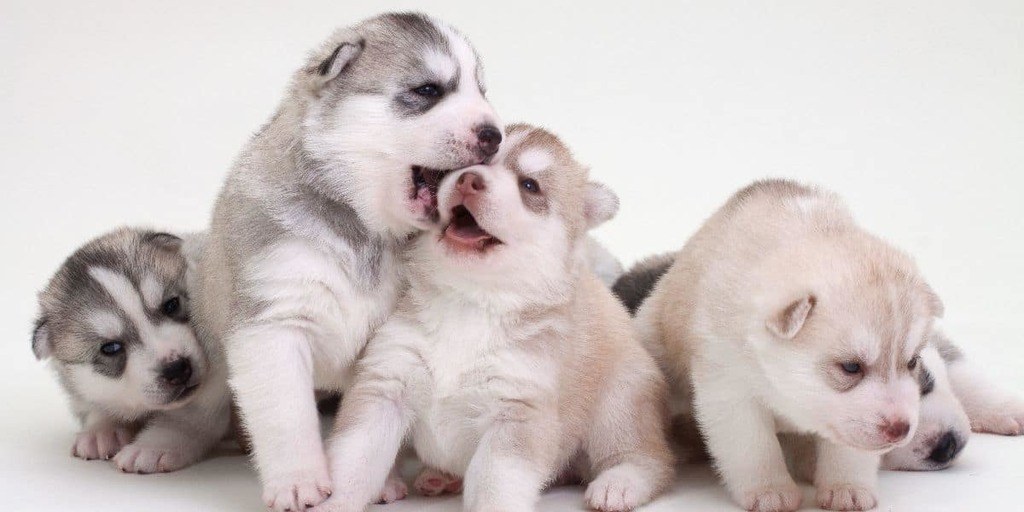
A dog that has acquired hip dysplasia will need to be carefully managed via weight control (keeping the dog from growing overweight) and exercise control (not too strenuous to cause discomfort or inflammation). There is medical treatment available, and even surgery, which has good success rates but the costs can be high.Sleeping husky puppies

Eye Issues

There are a number of eye issues affecting Siberian Huskies.

  • Hereditary cataracts (also known as juvenile cataracts) affect puppies as young as three months old and cause anything from a mild decrease in vision to complete blindness.
  • Corneal Dystrophy starts to affect young adult dogs and affects female dogs more than males.
  • Progressive retinal atrophy is another problem that initially decreases the effectiveness of night vision, followed by day vision and blindness ensues.

Detection is not possible for newborn puppies. Eye issues affect a small percentage of huskies (less than 10%) and you can minimize the chance of acquiring a puppy with eye issues by talking to the breeder before adoption.

Related: How to Choose a Husky Puppy From the Litter?

Hypothyroidism

Hypothyroidism in dogs is an autoimmune, genetic disease that reduces the thyroid function in the body. If you’re not aware of that, the thyroid gland regulates the body’s metabolism. So, messing it up can lead to lots of problems.

Dogs that suffer from hypothyroidism show hair loss, dullness in their coat, lethargy, and weight gain. For a Husky that’s supposed to have a beautiful coat with a dynamic personality, Hypothyroidism would be the worst-case possible.

What You Can Do to Avoid Health Problems?

Husky puppies should be acquired from a reputable breeder – one that has a history of producing healthy animals and does not shy away from answering all of your questions. Ask about the health of the animals and what the breeder has been doing to minimize genetic defects.

A good breeder will be upfront and honest and although no breeder can say their animals are 100% perfect, they might be able to provide some sort of guarantee against certain conditions. Any breeder you deal with should be able to supply paperwork to establish the bloodline of your animal as well as genetic test results explaining potential defects present in the puppy.

If you are looking for a husky breeder check out our breeder directory to see if there is a breeder near you. There is a breeder directory for those within the USA, plus another for our international visitors.

Don’t forget the Orthopedic Foundation For Animals free search facility for animals prone to hip dysplasia, but if your animal is not listed you should get in contact with a local Siberian Husky dog club for some local advice. 
Husky-Shedding

How To Deal With Coat Shedding of Siberian Huskies?

Siberian Huskies shed a lot! Sometimes constantly, more often periodically through the year. What can you expect and how to deal with it? Here are our tips:

What to Expect

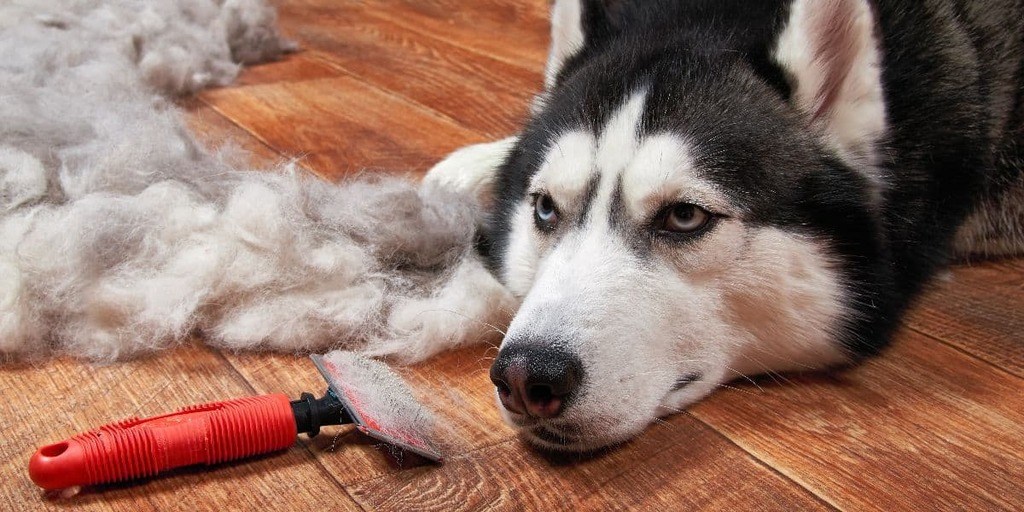
The shedding of the fluffy undercoat is also known as molting or blowing coat. As the new topcoat comes out, the undercoat is pushed out and deposited wherever the Husky goes. This will be in your yard, on the floor, on furniture, and on your hand if you stroke your Husky during molting season.

Typically your Husky will shed twice a year, once between September and February, then again between March and August. However, this isn’t a hard-and-fast rule. Some Huskies might shed just once, and others (particularly in warmer climates) will shed constantly through the year.

Shedding can take anywhere from two to six weeks, typically somewhere in the middle. During this time you will find yourself constantly vacuuming up the hair and fluff around the house. Many Siberian Husky owners suggest investing in a good vacuum such as a Dyson Vacuum to make the job easier.

First Shed

Your Siberian Husky Puppy will start shedding coat early on, from when you bring it home from the breeder, around 8 weeks of age. However, this might just be the odd hair. When the Husky is a bit older, around 6 months, you might experience the first coat blowing. Of course the larger the dog gets, the more coat it has, and more of a problem this will get.

Use the time early on to get the Husky used to be groomed. Even if the coat isn’t shedding, you can still practice combing your puppy and having it get used to the feeling of stroking it and pulling a comb through its fur. You might want to start off with a softer brush, and groom for short periods of time (5 minutes here or there). Have the puppy stand for you while you groom, and reward with a little food treat to help encourage this behavior.

Ongoing Grooming

Once the puppy is used to the sensation of a soft comb you might want to upgrade to one that is specially designed to extract dead hair. The “Furminator” is a very popular choice that is effective and lasts a long time, making it cost-effective. However, there are many brushes around and you can get advice at your local pet store if unsure. Check out our guide on the best brushes for huskies for more info.

Minimizing the Work

Nobody ever suggested owning a Husky would be easy! Grooming is one of the necessary jobs you need to do along with exercising and playing.

Shaving your Husky is a very big “no no”, no matter how warm your climate is. A Husky’s coat actually helps block out harmful sun rays and helps regulate the dog’s temperature. If you shave the coat off your Husky is likely to overheat or get cold very quickly, not to mention look ridiculous!

You can call in a professional dog groomer to help, but the reality is you can’t have them present 24 hours a day. You will just need to accept the build-up of fur around the home and try to deal with it the best you can.

Owners of smaller Husky dogs such as Minis and the Alaskan Klee Kai suggest the problem is more manageable because of the smaller dog size.

Wrapping Up

Owning a Husky comes with special responsibilities in the grooming department. Enjoy a positive attitude that after all the playful mess that your dog will leave during shedding season, you will have a very clean and good-looking dog for another 6 months!

Husky Howling And Barking

How To Control Your Husky’s Howling And Barking?

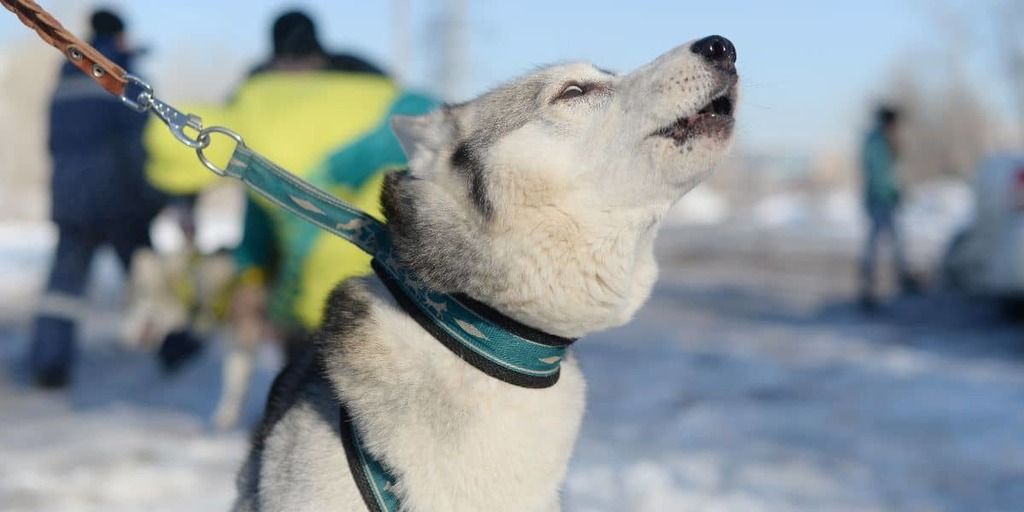
Husky Puppy Howling & Barking

Having trouble keeping a lid on your noisy Husky? Your puppy won’t stop crying? Here are our top tips for controlling the situation and giving you (and your neighbors) some peace.

Try to Figure Out the Cause

When your dog barks, howls, cries, or whimpers he or she is trying to communicate. Your first job should be to try and figure out the cause so that you know what to fix.

Husky puppies barkingAlthough unlikely, your Husky might be injured or have a medical issue and crying out for help. That’s likely to result in whimpering at all times (not just at night) and whether you are around or not. If that’s the case you should, of course, get things checked out as soon as possible.

If, on the other hand, your Husky barks when you or other people are around, could this be a sign that they want something? Probably attention.

Huskies are social dogs that settle better in packs. Left on their own they might get bored and exhibit destructive behaviors. This includes being left alone at night, so you might want to think about bringing the dog inside and closer to others (see Crate Training below).

Another possibility is that something has your Husky’s attention. A squirrel or possum running across the fence? A neighbor’s cat? If your Husky barks and continues to do so when you are present, see if he/she is pointing you to what they are barking at.

Issue a “Quiet” command

Just as you teach your dog other commands, a “quiet” command might work. This would be part of the regular training of your puppy (which I talked about right here)  and require lots of feedback and patience.

You want to issue the command and wait for your dog to quieten down before a reward such as a small treat, praise, and pats. Regardless of the other methods on this page teaching your puppy a command to quieten down can not possibly be a bad thing, even if it doesn’t solve the problem this time.

More ExerciseSiberian Husky getting walked for exercise

To try and tackle boredom, especially if you aren’t around during the day, you should consider giving your Siberian Husky more exercise. Exercise and training start at an early age and are required for the life of a Husky. Go for brisk walks or runs morning and night and see if this changes the barking behavior. If the barking subsides, then you have found the cause and can do something about it.

Introduce a Companion

It might not always be possible but if you believe your Husky does suffer from separation anxiety, another canine companion (particularly another Husky) might be the answer. Huskies tend to get along and keep each other entertained.

You can contact your local Husky rescue organization and see if any animals need a temporary home. This will let you test the theory before taking on board another pet full time. Just make sure they are all spayed and neutered if you are mixing the genders! There is a list of Husky Rescue Organizations, we collected, as well as some tips on how to adopt a husky.

Best Howl & Bark Control Products For Huskies

As mentioned above there are several ways to stop husky puppy howling and barking.

The first approach should always be using training methods and for that, we recommend taking the time to learn more about barking in general so you can have an idea as to why a Siberian husky is barking or howling. To do this in the chart below we recommend a book titled “Barking: The Sound of a Language (Dogwise Training Manual)” which specifically focuses on barking. This book will give you a much deeper understanding of how your Siberian Husky communicates and will help guide you in the direction needed to manage the issue.

Secondly, you could try a device that uses an ultrasonic bark deterrent to keep your dog’s howl under control.

And finally, the third method which is closest to a shock collar is using a vibrating collar. A vibrating collar is a bit more humane than using an electric shock that your puppy won’t enjoy much.

Crate training

This is one of the most effective strategies at reducing howling and barking in any dog, not just Huskies. You can place a crate (a box to enclose an animal) inside your home closer to you, but still, keep your Husky contained so he doesn’t run amuck around the house.

Go for a large metal framed crate, even if it seems too big for your puppy because you will want to keep using this throughout the life of your Husky. Ensure the dog can get up, spin around, and lay down again. A blanket can help soften the environment and add warmth. A water bottle attached to the side is handy.

Please remember that the crate is not punishment. It is not a jail! It is a device, when combined with positive feedback, can help improve the behavior of your dog.

We highly recommend checking out this YouTube video to see how it can be done.

Other ideas

Still, struggling to control your Husky’s howling and barking?

  • You could try your local dog club, whether Huskies or a general one, and see what other people have tried.
  • You can add another toy such as a KONG to keep your puppy busy.
  • Finally, you could try a training collar for your dog. My preference, if you choose to go this route, would be this  Dog Training Collar – Rechargeable. It has a beeping and vibration setting, but also an electric shock, which I don’t recommend using in any case. But mostly, the beeping is enough to warn your husky and if she keeps on, you can use the vibration. I tried it personally and I have never gone further than the vibration setting.

Conclusion

If your Siberian husky puppy’s howling and barking are terrorizing your family and neighbors, don’t despair!

– First, check that your dog is healthy and not suffering from injury or illness. Work on teaching your dog to respond to a “quiet” command.

– Try more exercise or another companion and see if that helps.

– Crate training is also a great method for curbing antisocial behavior in dogs. You can also try devices such as the ultrasonic method, or vibrating collar.

There are lots of options out there and although it might take time and patience, you will be rewarded with persistence in training and feedback.

Vitamins For Siberian Husky

Best Vitamins for Siberian Husky

Are you thinking of buying vitamins for your Siberian Husky? Wondering what the best vitamins or best food are for dogs? Here is our advice on what to feed your puppy to give it a balanced diet, and avoid unnecessary and expensive supplements. Think of it as cheap pet insurance. If you want real insurance for your husky and you wonder if it’s worth your money spend, we were giving some tips and advice before purchasing pet insurance for a husky puppy right here – Is Pet Insurance Worth It For A Puppy

A balanced diet starts with normal food

You probably already know this expression from childhood: you are what you eat. If you eat healthy food, you will feel good and healthy. The same applies to your pets. If you feed them good quality pet food they will feel better and have fewer medical complaints.  Spending a little more on better quality food for your Husky could save you hundreds, if not thousands of dollars in vet bills over the lifetime of the dog. This is especially true for Siberian Husky puppies who need the best food you can afford, to give the dog the best chance at growing into a healthy adult.

What makes good dog food? If you see the words “Complete and Balanced” on the label then that is a good start. The FDA imposes strict rules over the “Complete and Balanced” phrase. Only quality pet food can quote that wording on its packaging. Furthermore, look closely at what is going into the food. Is it real meat with a high protein percentage? Is there other nutritional information such as the presence of vitamins, Omega3 fish oil, or other additives that would benefit the dog? Then that is also a good sign.

Generally speaking the more expensive the pet food the better quality it will be, as quality pet food costs more to produce. It has more meat and less filler. However, this is not always the case. Sometimes expensive pet food isn’t any better than the cheap ones. You might want to ask around your local dog clubs, breeders, vets, and even your neighbors to see what they recommend and where to buy it from.

Do dogs need vitamin supplements?

Vitamins for Siberian HuskiesNo! Well…. maybe.

Tens of millions of dollars are spent each year on pet supplements in the US alone. There are a number of vitamin companies marketing vitamin products; NuVet, ProSense, Nutrivet, and many others. Their job is to convince you that your beloved pet needs their product to be happy.

They also have affiliate programs and advertise on many Siberian Husky websites to make it look like they are recommended for Huskies. The reality is for the vast majority of Huskies do not need vitamin supplements. If you are feeding your dog quality pet food, with some variety or rotation in the meals, then you are doing great!

There will, of course, be exceptions. If you feel that your Husky is experiencing problems such as difficulty moving, appetite problems, or is easily exhausted, then a trip to your vet is warranted. The problem might be diet-related, or it could be something else entirely. Your vet is going to give you knowledgeable advice and help pinpoint the issue.

The problem with guessing and trying out supplements is that the imbalance that your pet might have could be made worse by choosing the wrong supplement. Just like in humans there are some vitamins that are good in small doses, but in larger doses can actually make you feel worse! Feeding your dog the wrong supplement could be doing more harm than good. So take care.

Also, don’t forget there are some foods that disagree with dogs and you want to ensure they are eliminated from your pet’s diet immediately.

What are the Best Vitamins for Huskies?

So having convinced you not to supplement your dog’s diet, there are a couple of things that are generally considered safe to feed to your pet. You could at least try and see if they make a difference.

Glucosamine is a supplement well known to help humans with joint pain such as arthritis, and many Siberian Husky owners swear by its effectiveness on animals. You might already know that Siberian Huskies are predisposed to health complaints such as hip dysplasia, and glucosamine can aid in the discomfort your dog might exhibit.

You can buy glucosamine supplements on Amazon, I use this one – Liquid Health K-9 Glucosamine Hip and Joint Formula. I like this supplement mostly because it comes in liquid form, so my husky has no problem slurping up. I simply add the correct dosage to my dog’s favorite food or water every day.

Omega3 (fish oil) can help with coat and skin complaints, as well as joint pain. Omega3 is sometimes added to pet food so check out the packaging and you might be able to avoid extra supplements altogether. If your Husky has dry or flakey skin, or you just want to improve the health of his or her coat, then fish oil could be beneficial. I normally buy this one – Welactin Omega-3 Skin and Coat Support on Amazon, and my Huskies love it.

There is one particular situation in which a multivitamin for dogs might be of benefit. If you are cooking the dog meals yourself and not using prepared dog food from the supermarket or pet store, then there is a chance that some required vitamins and minerals are missing.

This would particularly be true if you tend to use the same meat and not introduce variety such as vegetables or added vitamins. In this particular circumstance then a multivitamin could help “fill in the gaps” with the nutritional profile. Then again, if you are cooking meals for your dog the chances are you are doing so because you know what is going into the food and, with purpose, introducing variety not present in commercial foods that you can obtain or afford.

Where can I get more information?

Your vet should be your primary source of advice for health issues with your pets. They have the up-to-date knowledge and experience needed to diagnose problems accurately. Since you should be taking your Husky to the vet regularly for a checkup, these appointments are the perfect opportunity to ask the question of whether vitamin supplements are suitable. If the answer is yes, you should narrow down precisely which vitamins the dog requires, and in what quantity.

Conclusion

Siberian Husky at the Vet

Get your vet to help suggest what vitamins might be of benefit

We recommend you do not feed your Husky multivitamins or vitamin supplements without consulting your vet first. At best you might get lucky and your dog benefits from them.

If you are feeding your Siberian Husky quality pet food then there is little more than a supplement can do.  At worst you could be causing an imbalance in your dog’s dietary intake and might cause some harm, even if only mildly.

So if you think you have a problem, take notice of what’s on the label of your pet food, and perhaps try a different brand or nutritional make-up and see if things improve. A simple tweak to the diet might be all that is needed to improve your Husky’s health!

Foods-to-avoid-giving-your-husky-1

Food to Avoid Feeding your Husky Puppy

Dogs have special dietary requirements to keep them healthy. Some foods are likely to lead to discomfort, and others are downright deadly. Here are six foods you should avoid feeding your Siberian Husky. This is particularly important in the puppy stage where their smaller mass and less developed immune system can result in more serious and faster effects.

1. Milk and some dairy goods

Although some dogs are fine with milk and dairy, and others can tolerate a small amount, you generally should avoid feeding milk products to dogs. This is because dogs lack a digestive enzyme named lactase, which breaks down the lactose sugars present in dairy foods.

Foods to avoid are milk, ice cream, and more than 10% fat yogurt. Problems after ingestion can include bloating, gas, diarrhea, and other symptoms of an ‘upset tummy’. Accidental and small intake of milk and dairy is unlikely to lead to anything serious and life-threatening, but you wouldn’t want your Husky to be continually upset, would you?

Healthy Alternative:

At online pet stores, you can buy special ‘puppy milk’, which has much less lactose and is safe to feed animals. It’s a great treat and healthy for younger puppies to get calcium to help build strong, healthy bones.

2. Chocolate

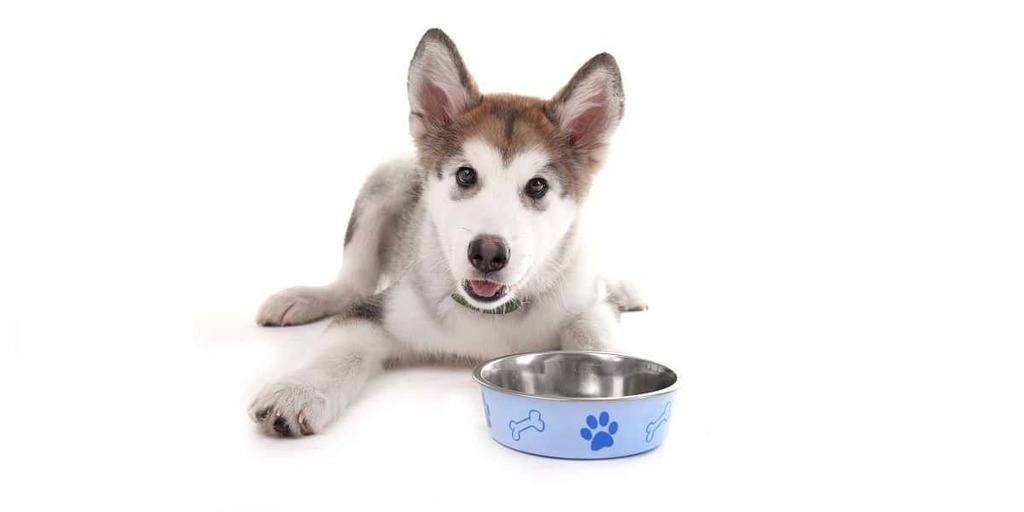
Siberian Husky Eating Dog FoodEveryone loves chocolate, right? Well, dogs might love it too, but it is a big ‘NO NO’ to feed anything chocolate to them. This includes chocolate bars (even just a nibble), cookies, brownies, cocoa drinks, licking the beaters after mixing a cake… anything with a chocolate component.

The caffeine and theobromine chemicals present in chocolate are very toxic to dogs. The darker the chocolate, the more cocoa content, and hence more toxic.

Ingestion can cause a wide range of issues including vomiting, excessive thirst, general discomfort, abdominal discomfort, heart rhythm issues, tremors, high temperatures, and so on. Seizures and death are at the extreme (but not unlikely) end of the scale.

You need to be particularly attuned during holiday seasons when chocolate poisoning cases go up; Easter, Halloween, Christmas, Valentine’s Day, etc. These are days where we are more likely to have chocolate lying around the house, on a coffee table, or in a bag.

3. Grapes and Raisins

It isn’t fully understood why grapes and related products (raisins, currants, etc) are a problem for dogs but can lead to serious issues such as kidney failure. Some dogs are fine with these products, others are not. Worse is the symptoms can be delayed from 12 hours to a few days.

Initial symptoms of poisoning include vomiting, diarrhea, and general lethargy. Over the next few days, kidney failure might occur, or long-term kidney disease develops over time.

Don’t forget that cakes, cookies, cereals, and snacks (such as muesli bars or trail mix) often have grape products in them. It isn’t just raw grapes that can cause issues.

4. Alcohol

All types of alcohol should be avoided; beer, wine, spirits, mixed drinks, cocktails, egg nog, etc. Because of their size and metabolism, dogs are more sensitive to alcohol than humans. Puppies are especially vulnerable. Like excessive consumption by humans, dogs will experience vomiting, coordination, and disorientation issues, and in extreme cases, coma and death.

Remember that you might not feed your dog alcohol, but if they go sniffing around the house when you aren’t looking they might just come across it themselves, so keep those drinks locked up!

If you find your husky has consumed alcohol then (again, like humans), watch him carefully until they start to feel better. If your dog is so inebriated they can not stand up and move about, then seek expert guidance from your vet or animal emergency room.

5. Onions and Garlic

Siberian Husky Puppy that is fed wellThis family of foods includes onions (all kinds), garlic, shallots, scallions (spring onions), chives, and other related herbs and bulbs in the allium family of plants. These contain thiosulfates which are a toxin to dogs when ingested in quantity.
Don’t forget that many packet foods such as soups, spice mixes, and powders contain dried versions of garlic and onion. Onion has a high concentration is of most concern. The thiosulfates damage red blood cells in the dog’s cardiovascular system, leading to lethargy, weakness, and difficulty after even mild exercise. The effects can take a few days to set in so it might not be immediately apparent what has caused the change in behavior.

In the case of suspected poisoning, a trip to the vet is essential to get your Husky checked out and medical options explored. If you get on top of the problem quickly you can avoid worsening the effects, and get the help your dog needs to recover.

6. Avocado

Avocado is an unusual food in that different varieties have different levels of toxicity, and some animals simply don’t feel the effect of it at all. However, you should still avoid avocado to be on the safe side. The toxin is named Persin and can lead to vomiting, diarrhea, and generally an upset tummy. In greater doses, some worsening respiratory and heart issues can develop, even death.

If the intake is small (a bit of flesh) then watch your Husky closely to see if he or she displays any adverse effects. For large ingestion of avocado, you should seek advice. Of particular note is the pip (stone) in the avocado: ingestion of that can lead to significant obstruction problems in the intestinal system and requires immediate professional attention.

What if my Husky ingests one of these Foods?

Head straight down to your vet or animal medical center. They can administer treatment to help get your dog healthy again. If nothing else you can live knowing you did all that was possible to save your Husky (and more than likely it will survive if you act quickly).

Conclusion

Pay attention to what you are feeding your Husky, especially if they are getting leftovers or if food is lying around. The best thing, of course, is to feed your Husky proper dog food which is safe, affordable, and has many nutritional benefits suited to animals. 

Milk, chocolate, grape, onions, and alcohol products all should be avoided for the lifetime of your Husky, and particularly at the puppy stage of life. You should stick to regular dog food in various forms and textures to provide some variety: dry kibble, wet food, raw meat, and doggie treats. Don’t forget to lock up your kitchen cabinets or keep your Siberian Husky out of the kitchen. Bored huskies will open anything that can be opened and investigate. Sooner or later they will find something they shouldn’t be eating and will not know any better. So keep your Husky away from human food!

Husky-Microchip

Microchipping Husky Puppy: Complete Guide

Microchipping is the process of implanting a very small electronic tracking device into a dog, for the purposes of identification should the animal ever go missing. Microchipping can increase the chances of your lost pet being reunited up to 5 times! It is so effective that in some places around the world microchipping is mandatory. Even if it isn’t required in your state, it is a very wise idea to get your Husky puppies microchipped. Whereas collars and tags can come off or be removed, the chip stays under the skin of the dog permanently.

Chip Insertion

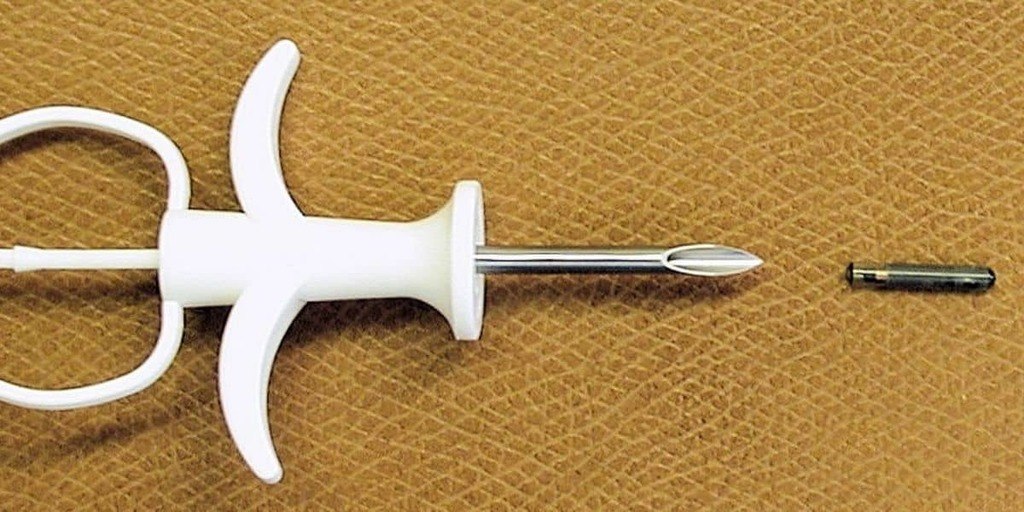
The microchip itself is very small – around the size of a grain of rice. It is implanted with a needle in to the loose skin on the back of a dog’s neck. The dog feels little pain and does not require any anesthetic. It is not unlike getting a vaccination, and typically at the first vaccination, a puppy receives this would be an ideal time to get microchipped. It is a very safe and extremely common procedure that any vet can administer.

Cost

Microchipping should not cost more than $50 for insertion and activation of the tracking number. Some local councils, agencies, and shelters will do it for as low as $15. There is a chance that if you are adopting your Siberian Husky from a shelter, or purchasing from a breeder, the chip has already been implanted for you. Be sure to ask when you pick up your dog so that they can help you update the tracking information.

Siberian Husky Microchipped for Dog IdentificationTracking

Microchipping uses a very small electric device that is known as an ‘RFID’ tag. This is not a GPS device. You are not able to look up your pet’s current location on a map! However, the RFID will emit a number back to a scanning device (similar to a handheld barcode scanner) and that number can be used to retrieve information on various microchip registers. Registers include Anibase, RFID-USA, Microchip ID Systems, and others.

If there are multiple registers how do you know which one your Husky is registered at? Shelters and pounds will check as many registers as they can to find the owner. When the chip is inserted the vet probably has a preferred register that is well recognized in the local area.

Just remember to update your details with the register should you ever relocate your pet. Often this is as simple as updating details on a website or giving them a call. They will need to know where you live and what phone number to call you on should your pet ever be retrieved without a collar and tag.

Is it safe to microchip a dog?

Yes. With millions of pets chipped safely each year you shouldn’t need to worry about any ill-effect. The chips do not raise any allergic reactions, cause any new allergic sensitivities, or cause any tumors or cancers.


Even if your Husky is confined to a yard and never let off-leash, you should still get him or her microchipped. The cost is minimal and the benefits are valuable. You never know when that lead will break in your park, or your Houdini Husky puppy will find its way out into the street. Still unsure? Check out this ABC News video of a Husky that ended up hundreds of miles from home, but still reunited thanks to microchip identification.

Free-Huskies-A-Warning

Free Husky Puppies – A Warning

Sounds too good to be true? You are after a Siberian Husky puppy and see an advertisement in the local paper or online classifieds giving them away for free or a nominal charge. What could the catch be? Read on…

There is no catch

First, and we hope probably, there is no catch. Puppies of all breeds are adopted out all over the country for little or no charge. Owners change lifestyle, can not afford to keep the pet, or move. Rescue organizations pick up animals and are looking for homes. Check out our advice on adopting a Husky for what you should be looking for.

An unwanted offspring

Cross-breeding can create wonderful new and ideal variations on a breed, but only by experienced breeders who understand the genetics and health issues, they are trying to encourage or suppress.

Three Siberian Husky PuppiesMany thousands, if not hundreds of thousands of dogs and cats each year are born to owners unable to care for them. Often this is a result of a lack of birth control through spaying and neutering. You can read more about this problem at the Peta website.

While not a reason itself to avoid taking on board an unwanted pet, you should be aware of potential false claims being made about the bloodline of the pet or its ancestry. This is particularly true if the person giving the animal away does not show signs of being a competent breeder. You should avoid taking pets from unscrupulous breeders who might be encouraged to continue the practice if you do.

Health Issues

You must always get a dog checked out by somebody trained to identify current and potential health issues in Siberian Huskies. Your local vet is your friend when it comes to assessing the health of a dog. Anyone trying to offload a puppy for free who refuses to let your vet check out the dog is likely to be hiding something, so beware!

Socialization issues

It can be difficult to assess how social a puppy is, but there are some clues. If the puppy is “scared to death” of strangers that isn’t a good sign. Conversely, if the puppy is aggressive towards you (or your shoes!) that can indicate some mishandling or lack of supervision on the owner’s side. Again, neither is necessarily a bad thing if you have the patience and dedication to train the puppy. If you like to know more about husky training, check out our articles to learn more on how to manage your husky in your home – Husky Training.

Those new to the Siberian Husky breed, however, are likely to find it a better option to go with a well-socialized puppy that is inquisitive, playful, and has a temperament likely to match the owner’s lifestyle.

Still looking for a cheap or free Siberian Husky puppy?

Why not try rescuing one? There are Siberian Husky rescue organizations in many US states and countries across the globe. They are committed to matching the puppy to the right home and you can trust they are not simply offloading problems on to somebody else. A small fee might be involved which covers the survival of the organization, and maybe some basic health checks, vaccinations, flea treatments, etc.

Free or cheap Huskies advertised in the paper or online should be treated with caution, just as you would be careful in selecting a puppy from a breeder. Try not to be dazzled by the cheap price: in the long run, with pet food and vet bills for the life of the dog, any savings upfront are going to be relatively insignificant. Ask a lot of questions, take your time, and get some assistance from your vet. With this advice, you should be able to find a Siberian Husky puppy that matches your lifestyle and is going to be a healthy, happy friend for a long time.