Tag Archives for " exercise "

Siberian-Huskies-in-Apartments

Can Siberian Huskies Live in Apartment?

The complete guide to Siberian Huskies in apartments

Are you considering raising a Siberian Husky in an apartment, or other small dwellings such as a flat, unit, bungalow, or inner-city townhouse? Be careful because you might have problems with noise and howling, exercise requirements, or space limitations. Whilst keeping a large dog in an apartment is not easy, it is possible to achieve harmony between you and your pet. Here are some things to think about before you adopt that cute Husky puppy and bring him or her home.

Can a Husky live in an apartment?

You can raise a Siberian Husky in an apartment. Give your dog a lot of exercises, and make sure the environment inside the apartment is suitable for a medium-large sized animal.

But there are some big challenges ahead. Very big! Not many Husky owners can pull it off.
Husky in apartment cartoon That little puppy you bring home is going to grow up pretty quickly.

Your small living environment might seem large to a 9-week old pup, but by 1 year the dog will be nearing adult size. Huskies can grow quite large, around 50 pounds and 23 inches tall. Key questions you need to ask yourself are:

  • Will my Husky have enough room to stretch and walk around?
  • Do I have shelving, tables, and other furniture resistant to bumps, chewing, and slobber?
  • Have I got the time and patience to clean up after my Husky if he or she makes a mistake? sheds hair? picks up objects and drops them all over the floor?
  • Can I isolate my Husky in a room if he or she is misbehaving, you have guests around or small children?
  • Does my apartment get hot? Huskies prefer a cooler and well-ventilated environment.

Don’t kid yourself, raising a puppy in an apartment is a challenge at the best of times. Huskies have special needs that make the job even more challenging.

Alternatively, you could get a miniature Siberian husky as well. Miniature Huskies are a bit smaller, therefore it will require a bit less space and of course maintenance too. 

Dogs in rental properties

If you are renting your home then you need to check with your landlord about what pet ownership rules apply. If you own your property then you still need to check with your building manager or body corporate. Some landlords are fine with dogs as long as they know in advance, but many places prohibit dogs of a particular breed, of a large size, or all dogs regardless.

Before considering bringing home any dog to a rented home you need to check out the rules that apply to your building. You should find these in your lease agreement, and it wouldn’t hurt to ask your property manager as well.

One reason dogs (and other pets) might be prohibited is the likelihood of complaints from other tenants. Many complaints about pets in apartments boil down to two problems: noise, and property damage.

Noise

Huskies are going to howl or bark if they are bored. It isn’t much you can do about that unless you are going to be around your dog all day long then there is a pretty good chance they will make some noise when you head out the door. And because apartments tend to be in very close proximity to each other, that noise travels easily.

You will want to approach your neighbors and get their feedback before introducing a dog into your complex. Let them know that there might be noise, and invite them to talk to you directly if they have concerns. The last thing you need is a landlord, or worse the local animal police, at your door responding to complaints!

Property Damage

Damage to property is another concern to landlords. Dogs have been known to scratch on walls, bump into things, and chew on anything in reach. Again this behavior is symptomatic of boredom and it will be your responsibility to keep your husky happy, and if necessary, pay for those repair bills.

Exercising Husky in an Apartment

Siberian Husky chilling on the couch in an apartmentHuskies need a lot of exercise. In an apartment, they need even more because they can’t get up and run around easily in the limited space available. You need to be willing to exercise your Husky every day no matter what! Whether rain, hail, or shine, and whether you are tired, sick, or hungry.

This goes for whether you live in an apartment or house of course, except that the chances are your dog will need to be exercised and played with two, maybe three times every day to avoid it turning destructive. Huskies often need more than walking. They like to get up to speed and have a run.

It would be ideal if your apartment is near a large park where your Husky can move around more, chase balls, and experience nature.

Potty Training an Apartment Dog

Housebreaking is an essential training activity for your puppy. We already have some housebreaking tips for Siberian Husky Puppies that you can check out. The same principles apply: get into a routine with meals, look for repeated behavior in your pet to suggest he or she is “about to go”, and head outside if you can.

Because you are unlikely to have a yard to let the Husky out to, and it might not be convenient to head out (e.g. you live up a few floors, or it is snowing outside) you will need to make a space in the apartment where he or she can do its deed.

Out of living and eating areas is a good idea, so hopefully, you have a suitably sized bathroom or laundry where you can lay down a large litter tray. You can use “pee pads” or “puppy pads” which are flat pads, kind of like diapers, that soak up the liquid. I really like this one All-absorb Training Pads on Amazon. You also want to be sure your apartment has sufficient ventilation to keep the air cool and dry.

Many apartments have limited options for opening windows and your Husky will suffer if it is left in warm stuffy environments, not to mention the smells that will accumulate.

Can I Leave My Husky Home while at Work?

Sometimes you will need to leave your husky in the apartment while you go to work, head down to the shops, or go out with friends. Hopefully, you are working hard at training your dog, particularly trying to keep him or her out of trouble. If not, just check these general tips on how to train your husky puppy and have an idea of where to start.

That means not wrecking the house! Crate training is likely to play a big part in this as it might be your only effective solution to restraining your dog. A checklist of things to think about when leaving your dog alone is:

  • Does it have clean water?
  • Does it need food?
  • Has it got a toy to play with? A KONG toy is popular and effective.
  • Is there sufficient ventilation?
  • It is not too warm, not too cold?
  • What if your puppy needs to go to the toilet?
  • Is he or she likely to howl, and which neighbors will be affected?

You also might want to consider starting with shorter ‘trial’ trips out of the home to see how your Husky behaves. Even as something as sneaky as head outside your door and sit in the hallway for half an hour to see what happens. Or if you need to go out for longer, get a friend or neighbor to drop in and check that everything is ok.

If you plan on leaving your husky home all day while you head out to work… well… good luck! It can be done but you will probably need a very well-trained and exercised dog. A long walk or jog in the morning, and another one when you get home, is probably what you need to give your dog to keep them stimulated.

And if you aren’t sure…

If you think you are up for bringing a Siberian Husky Puppy home to an apartment but want to make sure you can handle the responsibility, you could contact a local dog rescue organization. You might be able to foster care of a dog for a short period of time to see how you both go. If nothing else you will be doing your bit to help unwanted pets end up in the pound.

Keep these tips in mind if you live in an apartment and considering a Siberian Husky. 

It is not an impossible feat, but you want to be sure you are up for the challenge and special commitment that will be required of you. Still unsure? Check out this Q&A video from a Husky owner:
Husky-Play-TIme

5 Play Time Ideas For Husky Puppies

Have a Siberian Husky puppy and looking for games to keep it entertained and occupied? Here are 5 playtime ideas you can try…

1. Fetch and Drop-It

Everyone knows to fetch, and the chances are your Husky puppy will pick it up very quickly. Find a small, durable, rubber toy that can fit in your puppy’s mouth, but is not so small that he or she might be tempted to eat it. Balls are great because they bounce along the ground and help train your puppy to predict moving objects.

Just as important as retrieving the toy is dropping it on command. Use a simple command such as ‘drop’ and be sure to use feedback and treats to encourage this behavior. The drop command might come in handy later if your puppy likes to steal other things around the house, such as your shoes and socks!


We found KONG Squeaker Tennis Balls to be a great toy for playing fetch and drop with your husky. We tested different sizes and the medium one seems to fit perfectly since your husky still would be able to chew it, which is what they like to do as well. 

2. Freeze

If your puppy likes to get excited and boisterous (and Huskies are likely to) then try this game of bringing things to a halt. When the excitement is high and your puppy is bouncing around, call ‘freeze!’ and stop.

Totally freeze up: in movement and facial expression. Sure your puppy won’t understand this at first, but when your puppy does quieten down, give some positive feedback and a treat to acknowledge he or she is doing the right thing.

Like ‘drop’, the ‘freeze’ command will be handy later on when your puppy gets out and about. Being able to bring an over-excited Husky to calmness in public areas, or when guests are present, is an essential skill.

3. Find the Toy

If your puppy has a few toys there is a good chance it prefers to play with one in particular. So give this toy a nickname to identify it – the name doesn’t matter so just pick a characteristic that is easy to remember. For example, if the toy is a rubber chicken, you might call it ‘chookie’.

Now, use this name whenever your puppy picks up that toy. Over time your puppy will learn the association with your nickname and that toy, which you can use during fetch. Furthermore, you can hide this toy around the house or yard and ask your puppy to ‘find chookie’. Once this toy is “learned” move on to other toys or objects. Dogs have a remarkable ability to learn words and Siberian Huskies are no exception.

4. Treat Toys

A chew toy such as a Kong or Nylabone is going to keep your puppy engaged for long periods of time, and the toy itself should last months or years of heavy chewing abuse. Our favorite is a Kong toy (you can check the price on Amazon here)

Typically, stuff a Kong toy with dry dog food in with peanut butter and leave it to your Husky to get the treat out. For an added challenge, we freeze it for 4-6 hours before giving our huskies to play.

We like to stuff it with any treats, peanut butter, cheese whiz, a mixture of kibble and yogurt works for us as best, or literally with nothing at all – it doesn’t matter, your husky will go crazy for this toy, particularly if they’re a chewer or chaser!   

This is a great toy to leave a dog that is left alone in the yard. A Husky’s temperament is inquisitive and, if left to become bored, may become destructive.

So a toy such as this is a good distraction if you are out or unable to keep an eye on the dog. It also can prevent so many behavioral issues, like destructive chewing or excessive vocalization from boredom or anxiety. 

5. Soccer

Find a ball that is too large to fit in your Husky’s mouth, and reasonably soft or bouncy, and simply play soccer with him or her. At first, your puppy might try to grab the toy in its jaws – but after he figures this can’t be done he will start pushing it around. A good alternative to fetch if you don’t want puppy slobber all over your hands!


Whatever game you play just be aware that a puppy can tire out quickly, so limit physical exercise to 10 minutes at a time before rest. As your Siberian Husky puppy grows, you can extend this playtime, plus of course mix it up with walking or jogging your dog for exercise.

How-much-Space-does-a-husky-need

How Much Space Does A Siberian Husky Need?

Siberian Huskies were bred as working dogs – pulling sleighs and assisting hunters. It is no surprise that they need space, but how much space? And can they survive in a smaller environment with little yard space?

The primary concern is not so much space they have, but rather how much exercise they receive. Here you can check, that Huskies can live in apartments given enough outdoor time for exercise and play. The physical and mental stimulation they crave is most important. It is not uncommon for Siberian Husky owners to exercise their adult dog for 2 hours a day, and that’s on top of playtime as well! No matter how large or small your yard is, if you can’t spend the time exercising and entertaining your dog then perhaps a Husky is not for you.

Siberian Husky needing more spaceAlso important is the security of your yard. Huskies are known for escaping and given the chance will try to jump and climb fences, or dig underneath. Fences need to be high, and also buried in the ground. Latches and bolts need to be secured or the dog will find a way to open them.
If left alone a Husky might become bored. This could be a problem if the dog is indoors, and will probably resort to tearing apart furniture and pushing objects around just to keep him/herself entertained.

Because Siberian Huskies are pack animals they go really well with another canine companion. Two Huskies will play with each other some of the days and reduce the tendency to become bored and destructive. Don’t forget double the dogs could mean double the trouble, vet bills, food, and toys!

Whatever you do you can not let a Siberian Husky roam the neighborhood, even if you are out in the country. Huskies like to run and will take off after smaller animals if given the chance. When exercising and walking your Husky you are likely going to have to leave it on a leash all the time.

So if you only have a small yard fear not, a Husky can and will survive, but it is up to the responsible owner to provide the exercise and stimulation needed every day of the Husky’s life.


Husky-Microchip

Microchipping Husky Puppy: Complete Guide

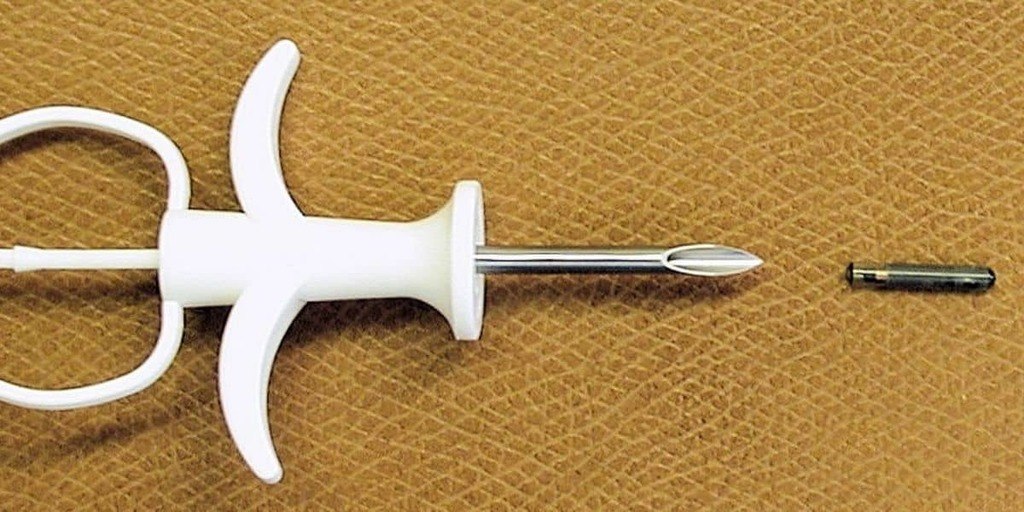
Microchipping is the process of implanting a very small electronic tracking device into a dog, for the purposes of identification should the animal ever go missing. Microchipping can increase the chances of your lost pet being reunited up to 5 times! It is so effective that in some places around the world microchipping is mandatory. Even if it isn’t required in your state, it is a very wise idea to get your Husky puppies microchipped. Whereas collars and tags can come off or be removed, the chip stays under the skin of the dog permanently.

Chip Insertion

The microchip itself is very small – around the size of a grain of rice. It is implanted with a needle in to the loose skin on the back of a dog’s neck. The dog feels little pain and does not require any anesthetic. It is not unlike getting a vaccination, and typically at the first vaccination, a puppy receives this would be an ideal time to get microchipped. It is a very safe and extremely common procedure that any vet can administer.

Cost

Microchipping should not cost more than $50 for insertion and activation of the tracking number. Some local councils, agencies, and shelters will do it for as low as $15. There is a chance that if you are adopting your Siberian Husky from a shelter, or purchasing from a breeder, the chip has already been implanted for you. Be sure to ask when you pick up your dog so that they can help you update the tracking information.

Siberian Husky Microchipped for Dog IdentificationTracking

Microchipping uses a very small electric device that is known as an ‘RFID’ tag. This is not a GPS device. You are not able to look up your pet’s current location on a map! However, the RFID will emit a number back to a scanning device (similar to a handheld barcode scanner) and that number can be used to retrieve information on various microchip registers. Registers include Anibase, RFID-USA, Microchip ID Systems, and others.

If there are multiple registers how do you know which one your Husky is registered at? Shelters and pounds will check as many registers as they can to find the owner. When the chip is inserted the vet probably has a preferred register that is well recognized in the local area.

Just remember to update your details with the register should you ever relocate your pet. Often this is as simple as updating details on a website or giving them a call. They will need to know where you live and what phone number to call you on should your pet ever be retrieved without a collar and tag.

Is it safe to microchip a dog?

Yes. With millions of pets chipped safely each year you shouldn’t need to worry about any ill-effect. The chips do not raise any allergic reactions, cause any new allergic sensitivities, or cause any tumors or cancers.


Even if your Husky is confined to a yard and never let off-leash, you should still get him or her microchipped. The cost is minimal and the benefits are valuable. You never know when that lead will break in your park, or your Houdini Husky puppy will find its way out into the street. Still unsure? Check out this ABC News video of a Husky that ended up hundreds of miles from home, but still reunited thanks to microchip identification.

Exercising-a-Siberian-Husky

Exercising A Siberian Husky Puppy

Siberian Husky puppies desire a lot of attention to prevent boredom. Exercising them is a great way to help them stay entertained, not to mention grow up healthy, but how much exercise should they get? Here are our top five tips on exercising your Husky puppy.

1. Exercise every day

It is really important that Huskies, particularly younger ones, exercise every day. This is a form of training where you teach your puppy healthy habits, discipline, and encourage socialization. Doing it every day keeps the routine up: if you miss a day you will ‘feel’ it and not lapse into more than a day of inactivity. Your puppy will love you for it as well. Exercise helps build their strength and endurance – characteristics that Siberian Huskies are bred for.

2. Go slow for the first year

Your Husky grows rapidly during its first few months, reaching adult size after about a year. The joints, ligaments, and muscle mass of your puppy need time to develop, so don’t overdo it early on. If you push too hard, especially with repetitive-motion activities such as walking and running, you might put too much stress on the puppy’s ligaments which can lead to soreness, tiredness, and inflammation.

3. The 5-minute-month rule for walking

Walking is a great exercise activity: it is free, easy, and good for both your puppy and yourself! We recommend the ‘5-minute-month’ rule:

Walk your puppy each day, increasing 5 minutes each month.

For example, if your puppy is three months old, walk him or her for up to 15 minutes every day. If your puppy is six months old, walk up to 30 minutes every day. If you follow this simple formula you will build up the necessary walking exercise gradually and in sync with your puppy’s natural growth over the first year.

After your puppy reaches his or her first birthday, you will be up to an hour of walking each day and can stay at this level. You might also graduate to jogging or running, or go for longer sessions, but only if your dog is used to walking and ready for the extra effort.

Exercising a Siberian Husky with toys and playtime4. Any time is playtime

15 minutes for a puppy does not sound like much, and it isn’t. However, you can take on other exercises in the form of playing games. Simply ‘playing ball’ with your puppy will mix up the physical movements: starting, sprinting, slowing, stopping, turning, etc. You can easily squeeze a few minutes in here and there of play to fill out the day and tackle boredom. Check out my Five Play Time Ideas for Husky puppies, to help fight the boredom of your dog. 

5. Stay cool

You know already that all dogs need clean drinking water available at all times to stay hydrated. The coat of the Siberian Husky might be dense but this also acts as an insulator in warmer weather, helping to regulate body temperature. So although the Husky might have originated in arctic climates, they should do fine in warm weather. Just make sure water is on hand, and if your Husky shows any signs of tiredness, take it easy. If you live in a hot environment you might want to consider walking your puppy in the morning before the heat builds up, and makes everyone just want to laze back and go to sleep.

If you start slow and build up exercise over the first year of life, mix in lots of play, and remember to keep your puppy hydrated, you will give your puppy a great start to a long healthy life. Just as important, you will get some exercise out of the deal as well!