Tag Archives for " breeders "

Husky Health Issues

Husky Health Issues

Siberian Huskies are robust dogs and can be expected to live for 12 to 14 years. However, their lifespan may be cut short due to several health problems that we’ll discuss in this section. Some of them are older Husky problems, while many others develop early on.

Hip dysplasia and a number of eye issues are the main ones to look out for when selecting a husky puppy.

Here is a summary of these problems and what you can do to help select a healthy puppy.

Hip Dysplasia in Huskies

Hip Dysplasia is relatively common in larger dog breeds. It is a genetic fault resulting in an abnormal formation of the hip socket. The head (top) of the thigh bone does not fit snugly into the pelvic joint socket, causing pain and arthritis. The effects can be anywhere from mild to debilitating for the animal. Hip dysplasia affects both male and female huskies and can affect either or both hip joints.

Hip dysplasia develops over the husky’s early life, and by 18 months is usually present if it were to occur. Identification in young puppies is not possible, but because it is a genetic defect you can minimize the chances of acquiring a puppy prone to dysplasia.

The good news is that through careful breeding the complaint has had a marked reduction over the past decade and is not the widespread problem it once was.

The Orthopedic Foundation For Animals has a registry with a free search facility on its home page. You can look up information on a dog you are potentially acquiring to see if it might be prone to dysplasia.

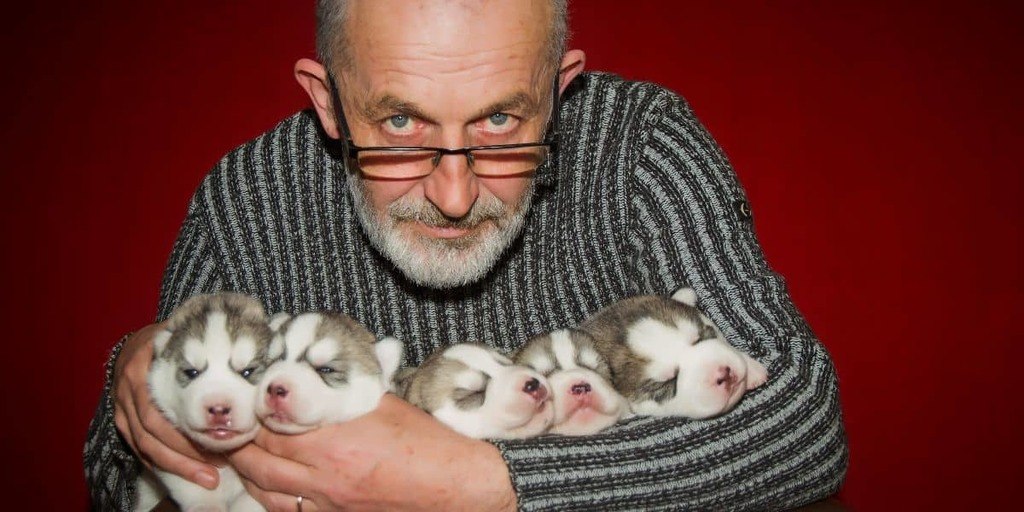
A dog that has acquired hip dysplasia will need to be carefully managed via weight control (keeping the dog from growing overweight) and exercise control (not too strenuous to cause discomfort or inflammation). There is medical treatment available, and even surgery, which has good success rates but the costs can be high.Sleeping husky puppies

Eye Issues

There are a number of eye issues affecting Siberian Huskies.

  • Hereditary cataracts (also known as juvenile cataracts) affect puppies as young as three months old and cause anything from a mild decrease in vision to complete blindness.
  • Corneal Dystrophy starts to affect young adult dogs and affects female dogs more than males.
  • Progressive retinal atrophy is another problem that initially decreases the effectiveness of night vision, followed by day vision and blindness ensues.

Detection is not possible for newborn puppies. Eye issues affect a small percentage of huskies (less than 10%) and you can minimize the chance of acquiring a puppy with eye issues by talking to the breeder before adoption.

Related: How to Choose a Husky Puppy From the Litter?

Hypothyroidism

Hypothyroidism in dogs is an autoimmune, genetic disease that reduces the thyroid function in the body. If you’re not aware of that, the thyroid gland regulates the body’s metabolism. So, messing it up can lead to lots of problems.

Dogs that suffer from hypothyroidism show hair loss, dullness in their coat, lethargy, and weight gain. For a Husky that’s supposed to have a beautiful coat with a dynamic personality, Hypothyroidism would be the worst-case possible.

What You Can Do to Avoid Health Problems?

Husky puppies should be acquired from a reputable breeder – one that has a history of producing healthy animals and does not shy away from answering all of your questions. Ask about the health of the animals and what the breeder has been doing to minimize genetic defects.

A good breeder will be upfront and honest and although no breeder can say their animals are 100% perfect, they might be able to provide some sort of guarantee against certain conditions. Any breeder you deal with should be able to supply paperwork to establish the bloodline of your animal as well as genetic test results explaining potential defects present in the puppy.

If you are looking for a husky breeder check out our breeder directory to see if there is a breeder near you. There is a breeder directory for those within the USA, plus another for our international visitors.

Don’t forget the Orthopedic Foundation For Animals free search facility for animals prone to hip dysplasia, but if your animal is not listed you should get in contact with a local Siberian Husky dog club for some local advice. 
Choosing-Husky-Breeders

Choosing A Siberian Husky Breeder

How do you choose a Siberian Husky breeder to acquire your new puppy from? What separates bad breeders from good ones, and good ones from great ones? Here are the things you need to consider when dealing with breeders of Husky puppies and looking for a new pup.

Initial Research

First, look for breeders in your area. You can use our Breeder Directory as a starting point, or the SHCA Referral Directory, and also consider breeders in your neighboring states if there aren’t many local to you. You want to be able to visit the breeder, on at least two occasions, so it makes sense to choose from breeders you can easily visit. Buying from a breeder that will freight the dog to you, without checking you out first, is a sign of a breeder who is more interested in selling puppies than finding the right one to match your requirements.

Sleeping husky puppies

It should go without saying (but we will say it anyway) you should avoid pet stores, puppy farms and any other party who you suspect is not breeding for the betterment of the Siberian Husky breed. By working with a responsible breeder you are likely to get a healthier puppy that is socialized, pay less for the puppy (no retail margins), and are helping to stamp out poor breeding practices.

You should also start forming a relationship with your local vet and ask him or her for referrals to local breeders, breeding clubs, or Siberian Husky clubs that can help you locate a breeder.

Before visiting a Husky breeder always give them a call first – nobody likes unannounced drop-ins! They might out presenting their dogs at a show (another good sign they are working on improving the breed). You should ask them if they are members of any breeding clubs, and/or who mentored them: either of which is a sign of a dedicated breeder. You should ask about their history with the breed: why did they choose to breed Siberian Huskies and how long have they been doing it for? This will help avoid inexperienced breeders.

The breeder is also likely to ask questions of you and what kind of puppy you are looking for, what environment you live in, and other questions to help decide that you will be a responsible pet owner. Beware of any breeder that encourages you to rush your decision without checking you out.

Responsible breeders do not breed every year, and it is likely that you talk to kennels that do not have any puppies available at all. You can ask for referrals to other breeders: good breeders know other breeders in the vicinity. You might even need to be patient and wait a number of months until new litters are born. The breeder will most certainly be able to keep your details on hand for that event and contact you in the future.

First Visit

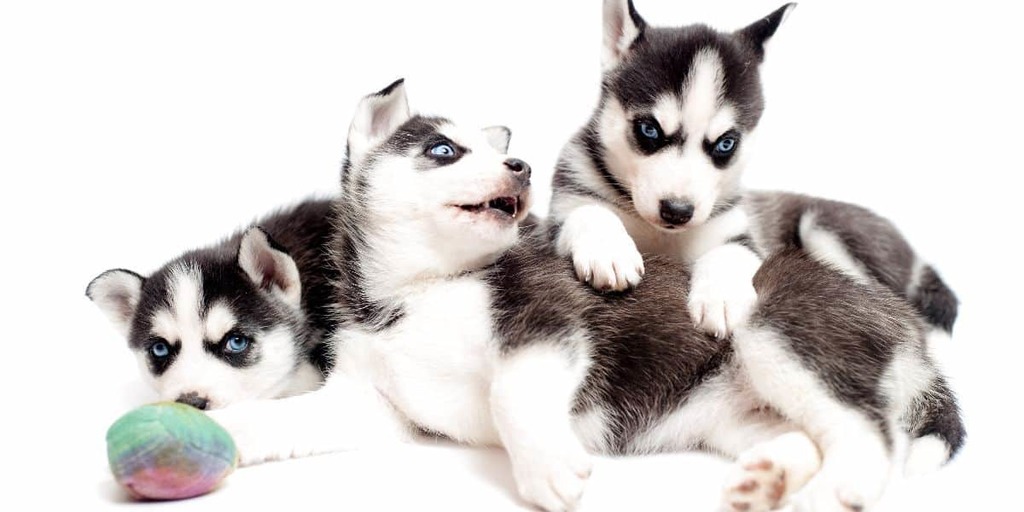
Three Siberian Husky puppies from a litterOn your first visit, your aim is to evaluate the breeder and the premises and start forming a relationship. A good breeder will show you around and let you inspect where the puppies spend most of their time. A clean and maintained environment is what you are looking for.

Also, do the puppies seem happy to have you around? Responsible breeders will socialize dogs early and get them used to new sights, smells, sounds, and experiences. If most or all the puppies run away at your sight it could be a warning sign that this socialization has not occurred.

The size of the property, the number of dogs on site, website, advertising, and other promotional material from the breeder is not an indication of the quality of the dogs being bred.

Resist the urge to make a decision on this first visit, no matter how cute and adorable the puppies are! You and the breeder should be working together to find a puppy with a temperament suited to your lifestyle. The breeder should be asking lots of questions about you in order to suggest potential puppies for you. In turn, you should feel comfortable talking to the breeder, asking the hard questions such as the health of the breeding line, documentation demonstrating the parents are healthy and resistant to Siberian Husky health issues such as eye and hip disorders. Registration papers are good but just remember they only demonstrate the parents were registered, and do not indicate the overall health prospects of the pups.

A breeder should be respectful of your decision to visit other breeders and find a dog that suits you. Any breeder who puts the ‘hard sell’ on you is most likely in it for the money, and not the long term future of the dog.

Second Visit and Collection

Siberian Husky PuppyNow you want to start getting serious about making a decision – asking more questions that might have been raised when you visited other breeders. If it takes you a third, fourth, or further visit to help make the right decision then so be it. Breeders are generally very happy to have responsible pet owners visit them, and not let their puppy leave as the result of a rushed decision.

A good breeder will not let a puppy go until at least 8 weeks of age, after the first round of vaccinations and worming treatments. They should be able to provide you with a schedule of future health activities you need to undertake, plus written information on diet and care for your puppy. Desexing (‘spaying’ or ‘neutering’) is also likely to be a discussion point and may have already been taken care of for you. Responsible breeders don’t want to encourage future breeding of inexperienced owners.

Most good breeders, if not all, will be able to provide some sort of guarantee as to the health of the puppy. Responsible breeders will also be willing to take the dog back if you are unhappy, or unable to care for it. If convenient you should be able to get the puppy checked out by your preferred veterinarian just to make sure there are no hidden surprises.

Finally

Congratulate yourself for taking the time and effort to find a responsible breeder! Enjoy your new family member and the years of good times ahead you will have with your Siberian Husky. Be sure to join a local club and also get into training and grooming habits early, because Huskies grow up very quickly!

Find-a-Husky-Puppy-Breeder

How to Find a Husky Breeder Near You?

Want to buy a Siberian Husky puppy from a breeder and not sure where to find one? Here’s how…

Ways to find a good husky breeder near you

If you are new to the breed you will want to look for breeders close to home. You will be able to visit a few of them and pick one that you feel comfortable with. Being able to physically visit means you can quickly identify any potential puppy mills or backyard breeders. Being local means you are not pressured to make a decision on the first visit and can come back again after you have time to think about what you saw, or to visit other breeders.

1. Use breeder directories

Directories of Husky breeders are a great place to start. We have our own breeder directory or you can use the Siberian Husky Club of America’s directory here, or the American Kennel Club breeder search here. Please note that just because a breeder appears on a reputable web site, or is registered, it does not give you a guarantee that they aren’t a puppy farm. You should always do your homework – and we have some specific advice on choosing a Siberian Husky breeder.

2. Use search engines

Head over to your favorite search engine (Google, Bing, Ask, Yahoo, whatever you prefer) and use the term: husky breeders in <your state>, or husky puppies in <your state>. You can put in your state name or your 2-letter state code. Examples:

  • husky breeders in California
  • husky puppies in CA

You might be able to find some breeders this way, but like referral directories, a good breeder web site does not guarantee anything. You need to make contact and talk to the staff. Many breeders do not have web sites, simply because they don’t breed as a business, they do it for love. So to find these people you need to ask around…

Finding a Siberian Husky breeder near you3. Talk to local dog clubs

You can make contact with your local dog clubs, or just turn up when they meet and ask around. If there is a Siberian Husky dog club in your area that is a great place to start. Alternatively, you could expand the search a little and look for alternative but similar breeds such as Alaskan Husky or Alaskan Malamute.

If you are in a smaller town and do not have specialist dog clubs, try the general dog club and ask if they know anyone who breeds Huskies. Good dog breeders don’t work in isolation: rather they actively participate in the local community to share knowledge and news.

4. Talk to other dog owners

Your best bet is to find dog obedience or training school and have a look at who turns up. If anyone has a Husky then you can approach and find out where they got their puppy from. This is also a great way of checking out the reputation of local breeders and steering clear of any bad ones.

If walking down the street and you pass a Husky you can also ask the owner for advice. Most dog owners are more than happy to stop and talk about their dogs and share advice!

5. Ask local vets

Breeders have to get their puppies checked out by experts, and generally, have a preferred veterinarian to assist. Vets in the area might know of some breeders and can pass on contact details.

5. Check at rescue shelters

Shelters and rescue organizations sometimes need to place dogs in the temporary care and are likely to be aware of local breeders who have the facility and expertise to look after a stranded dog.

6. Ask other dog breeders

Good breeders will be happy to talk about other breeders in the area. If you know of at least one Husky breeder near you, chances are if there are more than that breeder knows who they are.

7. Do NOT ask pet shops

Whilst some pet shops are brilliant, many are not and are just front to puppy farms. Unless you have a pet shop that is very reputable and doesn’t keep puppies in small glass cages, you might want to steer clear of getting advice from one.

Conclusions

Looking to buy a Siberian Husky puppy from a breeder and not sure where to find one? Try using web directories and search engines to find breeders near you. If that fails try talking to people in your community such as dog clubs, vets, other Husky owners, and breeders, for a referral to breeders that they know of. It might take a while but the more effort you put in now, the better chance you have at finding a breeder that has a puppy perfect for you!


Husky-Puppy-Mill

How To Identify A Husky Puppy Mill

With the tremendous rise in Siberian Husky registrations (AKC quote Huskies as the 14th most popular breed in 2013, and still rising) comes a wave of interest in the breed, and a desire to own one. Unfortunately that also means unscrupulous breeders are profiteering from this popularity, operating puppy mills to maximize profit rather than improve the breed. Here we look at puppy mills, and how to identify one, so you can avoid supporting such businesses.

What is a puppy mill?

A puppy mill, or puppy farm, is a breeder that aims to profit from the breeding of dogs, rather than improve the breed. Typically they minimize costs and cut corners on animal welfare to maximise their profit. Animals are sometimes bred frequently and recklessly. The term backyard breeder means much the same thing, and might refer to an individual operating on the same principles.

The ASPCA quotes there could be as many as 10,000 puppy mills in the USA alone. Note that some of them are licensed breeders – but are still in it for the money, not the love.

Why you should avoid puppy mills?

When the primary goal of the puppy mill operator is to make money, corners are cut such as:

  • Breeding a female too frequently.
  • Not taking care to match dogs suitable for breeding, based on temperament or genetic traits that cause health issues.
  • Supplying minimal accommodation to the dogs that might not be particularly sanitary.
  • Not getting dogs checked out by vets (which cost money, of course), and not getting the proper vaccinations.

Warning signs

Although there is no single warning sign that indicates you are about to purchase a Husky through a puppy farm, some or a combination of these factors might come in to play:

Siberian Husky puppy with different colored eyes

  • A large number of dogs on site; 30 or more is a warning sign.
  • The breeder has different breeds for sale; Huskies and something else. Genuine breeders tend to specialize in one breed.
  • The parents of the puppies are not on site, or not able to be presented.
  • The breeder advertises heavily in newspapers and other classifieds. Advertising increases around holiday times such as Christmas.
  • The breeder is willing to let puppies go before 8 weeks, and perhaps before vaccinations have been administered.
  • The breeder is known to supply pet shops.
  • There appears to be a constant supply of puppies from this breeder, all year round.
  • The breeder will bring the puppy to you in another location, and/or avoid showing you around his property.
  • The property is not sanitary, or dogs are kept in confined cages.

Finally the biggest warning sign: the breeder does not ask you questions about your environment, lifestyle, reason for a buying puppy or the breeder tries to let you take the puppy home right away. Responsible breeders do not let their puppies go “nobodies”. They try to match puppies with suitable and similarly responsible homes.

Questions to ask to identify puppy mills

A lot of the above issues can be questioned over the phone. If not directly, then indirectly with questions such as:

  • We might not be ready now, when do you expect the next litter of puppies to become available?
    Many breeders do not plan ahead until the current litter is all taken care of.
  • We are not sure what dog food we should be buying. What do you feed the puppies?
    To keep costs down, puppy mills feed the cheapest dog food available.
  • Are the puppies vaccinated and checked out by a vet?
    If the answer is ‘no’, be very suspicious.
  • Is there any guarantee on the health of the puppy?
    Responsible breeders always provide a guarantee that the puppy is healthy, and will detail any potential long term health issues.

A word about pet shops

Pet sExercising a Siberian Husky with toys and playtimehops are notorious ‘front ends’ to puppy mills. We recommend going directly to the breeder rather than paying a premium to the retailer and encourage the practice. You can locate breeders in our breeder directory, and also the SHCA Referral Directory. In either case, there is no guarantee you are dealing with somebody responsible so keep your eyes and ears open for suspicious behavior!

What you can do to avoid puppy mills?

Ask a lot of questions, and if you are unsure, be prepared to walk away. We know puppies are irresistible, and Siberian Husky puppies are frighteningly cute, but you have to be strong enough to walk away and not support this terrible industry.

If you suspect you have spotted a puppy mill you can report it. The Humane Society provides advice on what steps to take.

By keeping your ears and eyes open for certain behaviors of a puppy mill operator, you can avoid them and instead buy your Husky puppy from a genuine, responsible breeder. Even better you can consider adopting a Husky instead – perhaps from a rescue shelter. We also have some tips on adoption and what to expect.

Siberian-Husky-Prices

Siberian Husky Puppy Prices

Whilst nobody can put a true price on love, purebred puppies can attract a pretty penny. How much does a Siberian Husky cost, and why the large variance? Read on…

If you are purchasing a Siberian Husky from a reputable breeder you can expect to pay between $500 and $800 for a puppy. If the parents of the puppy are winning shows or sled dogs then this will be closer to $1500-$2500, even as high as $10000!

Why Siberian Huskies are so expensive and what determines the price?

Siberian Husky combines natural beauty, devotion, affection. With their smart, understanding gaze, they win the hearts of many pet lovers. But not everyone is ready to buy a puppy because of the high cost. So what determines the price and what should I look for when buying husky puppies?

First, you need to decide for what purpose you want to have a husky. Do you want to get a pet companion or build a dog career? The price of a husky will depend on the pedigree and breed standards.

In order to understand why a purebred husky puppy is worth the money they ask for, you need to familiarize yourself with the costs for the breeder. Before selling husky puppies, responsible breeder invests a lot of labor and money in quality food, vitamins, vaccinations, vet visits, which accumulate and create a real price for Siberian Husky puppy.

The AKC Breed Standard for Siberian Husky is quite specific about the size, weight, and physical appearance of what a Husky should look like. If the parents of a puppy both meet the standard and have been winning shows, there is a good chance the puppy will also be of such a high standard.

There is similar reasoning for sled/racing dogs. If the parents are successful at winning races, built for endurance and power, then the puppies are also likely to be suitable for sledding competitions. There is no guarantee that the offspring of champion parents will themselves be champions, but will have a better chance than mating two domestic Huskies.

What if I don’t need a show dog?

Great! No problem at all with that. Most dogs ever owned will be loving members of the family and never be put on stage or put in a race. For this reason, you can look at breeders who are still keen and capable of matching animals to better the breed but might not be attracting the show’s parents. Some breeders might lower their prices to $300 to help find their puppies home. Keep in mind that the breeder still has to pay for housing, food, vaccinations, and other vet bills, not to mention their time in training and socializing the pups. $300 is pretty cheap for the service offered.

Are there any alternatives?

Three Siberian Husky Puppies

Believe it or not, pet shops are likely to charge more for puppies because they have rents and retail margins to make. We would generally not recommend buying from a pet shop as many are fronts for puppy mills and dogs are not necessarily bred for the betterment of the breed. That is, to improve the physical qualities, health, and temperament of the animals.

We have put together a guide on alternatives to buying from a breeder which should give you some ideas about where to look. These include classifieds, agencies, and local breeders who might not advertise.


Just remember that over the course of Husky’s twelve to fourteen-year life, the purchase price is going to be relatively insignificant compared to food, health checkups, and other costs associated with keeping animals. So while you might be tempted at the start to save a couple of hundred dollars, perhaps you are better off purchasing from a reputable breeder with a track record of producing healthy, happy, and ideal puppies.

Free-Huskies-A-Warning

Free Husky Puppies – A Warning

Sounds too good to be true? You are after a Siberian Husky puppy and see an advertisement in the local paper or online classifieds giving them away for free or a nominal charge. What could the catch be? Read on…

There is no catch

First, and we hope probably, there is no catch. Puppies of all breeds are adopted out all over the country for little or no charge. Owners change lifestyle, can not afford to keep the pet, or move. Rescue organizations pick up animals and are looking for homes. Check out our advice on adopting a Husky for what you should be looking for.

An unwanted offspring

Cross-breeding can create wonderful new and ideal variations on a breed, but only by experienced breeders who understand the genetics and health issues, they are trying to encourage or suppress.

Three Siberian Husky PuppiesMany thousands, if not hundreds of thousands of dogs and cats each year are born to owners unable to care for them. Often this is a result of a lack of birth control through spaying and neutering. You can read more about this problem at the Peta website.

While not a reason itself to avoid taking on board an unwanted pet, you should be aware of potential false claims being made about the bloodline of the pet or its ancestry. This is particularly true if the person giving the animal away does not show signs of being a competent breeder. You should avoid taking pets from unscrupulous breeders who might be encouraged to continue the practice if you do.

Health Issues

You must always get a dog checked out by somebody trained to identify current and potential health issues in Siberian Huskies. Your local vet is your friend when it comes to assessing the health of a dog. Anyone trying to offload a puppy for free who refuses to let your vet check out the dog is likely to be hiding something, so beware!

Socialization issues

It can be difficult to assess how social a puppy is, but there are some clues. If the puppy is “scared to death” of strangers that isn’t a good sign. Conversely, if the puppy is aggressive towards you (or your shoes!) that can indicate some mishandling or lack of supervision on the owner’s side. Again, neither is necessarily a bad thing if you have the patience and dedication to train the puppy. If you like to know more about husky training, check out our articles to learn more on how to manage your husky in your home – Husky Training.

Those new to the Siberian Husky breed, however, are likely to find it a better option to go with a well-socialized puppy that is inquisitive, playful, and has a temperament likely to match the owner’s lifestyle.

Still looking for a cheap or free Siberian Husky puppy?

Why not try rescuing one? There are Siberian Husky rescue organizations in many US states and countries across the globe. They are committed to matching the puppy to the right home and you can trust they are not simply offloading problems on to somebody else. A small fee might be involved which covers the survival of the organization, and maybe some basic health checks, vaccinations, flea treatments, etc.

Free or cheap Huskies advertised in the paper or online should be treated with caution, just as you would be careful in selecting a puppy from a breeder. Try not to be dazzled by the cheap price: in the long run, with pet food and vet bills for the life of the dog, any savings upfront are going to be relatively insignificant. Ask a lot of questions, take your time, and get some assistance from your vet. With this advice, you should be able to find a Siberian Husky puppy that matches your lifestyle and is going to be a healthy, happy friend for a long time.


Red-Siberian-Husky

Red Siberian Huskies

Red Huskies

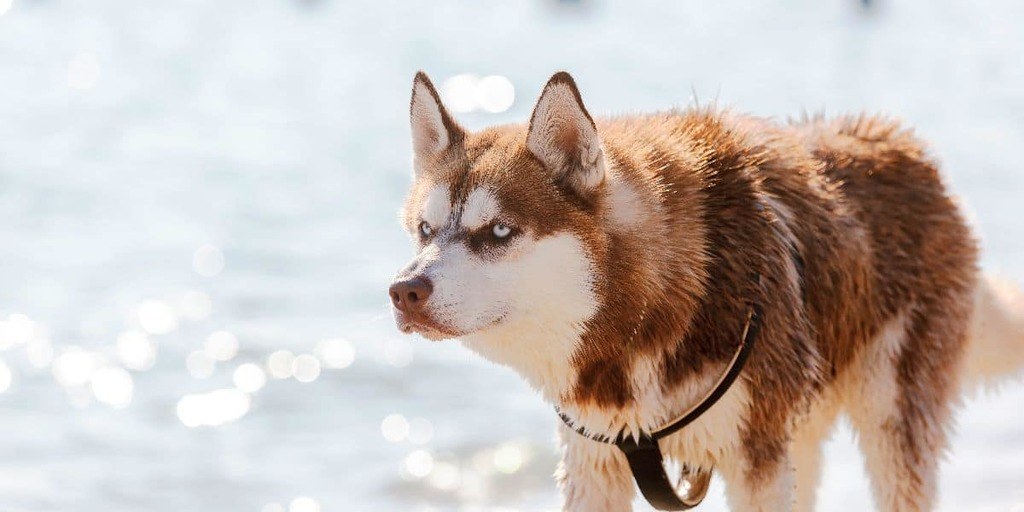
Siberian Huskies come in a variety of colors, from black/grey and white, to red and white, to pure white. Whilst the darker colors are more common, red Huskies are increasing in popularity. Here is the lowdown on the red coloring and what it means if you are considering adopting a Husky puppy.

4 month old red Siberian Husky puppyFirstly there is not one definitive red color out there. You will find that ‘red’ covers everything from a lighter orange color to a darker chocolate color. In puppies the color that the coat will end up as might not be apparent. However, like many dogs, you can look at the color around the ears to get an idea of how dark the coat will get in an adult dog.

The red color itself is the result of a recessive gene passed through generations of Huskies. Whilst the black coloring is caused by a dominant gene, and hence more common, parents may be carrying the “red gene” and pass it on to their pups. If at least one of the parents is carrying this gene then the pups produced may be colored red, even if both parents are black.

It is important to note that color is not considered in the AKC standard for Siberian Husky coats. The AKC standard recognizes all coat colors from black to red to pure white. Color is of least importance when judging Huskies at dog shows. For these reasons, responsible Siberian Husky breeders will not breed for a particular color and rather breed to eliminate health issues such as eye and hip problems. Any breeder that breeds to encourage a red color should be avoided.

So if you are searching for a Husky puppy, or simply observing Huskies in clubs and at shows, the red coloring can be quite striking. But in the bigger scheme of things the coat color is not as important as a healthy dog resistant to longer term health issues.

For a more technical description of the genetics involved, you can read about it in Todd Wood’s article.

Choosing-a-Husky-Puppy

How to Choose a Husky Puppy From a Litter?

Selecting your first Siberian Husky puppy from a litter is an important decision. You are about to choose your latest family member and you need to be sure that your new pet will fit in well with your family’s lifestyle, as well as be healthy for years to come. Here are some basics on Husky puppy selection to help you decide:

1. It is ok to say “No”

First and foremost – it is ok to say “No”, and not feel compelled to make a decision on the spot. Introducing a new family member is a long-term life-changing decision. You don’t want to make such a decision on a whim, do you?

If this is your first Siberian Husky you might want to visit a few breeders to compare experiences and the range of puppies available. Good breeders know that different litters come from different parents and so have different temperaments, adherence to breed standards, etc. They will be more than happy to see you more than once and be patient in answering all of your questions.

If breeders are few and far between in your area you might even delay your decision for a couple of years and wait until a new litter is born.

2. Male or Female?

In general male Huskies are going to be more outgoing, more affectionate, but also more dominating and difficult to train. You are going to have to exert yourself as the alpha dog of the pack to maintain authority. Female Huskies will be more reserved but tend to learn a little quicker and be more focused on training drills.

If you have other dogs in the home you might want to avoid placing two males together because they could compete for authority over each other. However, if you are a confident trainer and have some experience with Siberian Huskies you can probably overcome most of those issues.

3. Temperament and Engagement

Three Siberian Husky puppies from a litterAn energetic puppy that can’t wait to climb all over you might be cute, but is that the kind of dog you want long term? Can you match the energy levels? On the other hand, pups that slink away and show fear of strangers probably have not been socialized properly. For most people, a “middle of the road” pup is the ideal choice. Look for a Husky puppy that engages with you, shows curiosity, and is not outright afraid of strangers.

4. Health check

All of the puppies you are looking at should have been vet-checked with a report of good health. The pup should be vaccinated and wormed as well. Look for any discharge from eyes or ears which might indicate a health issue – the face should be clean. The puppy’s coat should be clean and generally looking good. A sign of a good breeder is one that will offer a guarantee of the health of the puppy for a period, say up to five years.

5. Ask The Breeder

Finally, but by no means least, you can simply ask the breeder for advice. A good breeder will ask you questions on what kind of lifestyle you live and should be able to help pair you up with a suitable pup from the litter.

When you visit Siberian Husky breeders you should let the breeder help you in finding a pup suitable for you. Visiting a number of breeders might be required to aid in your selection. Unless you have experience in raising and training Siberian Huskies you are probably going to look for a puppy that is neither excessively shy nor excessively energetic. Always look for a puppy that is in good health and likely to remain that way.

Having difficulty finding a Siberian Husky breeder in your area? Check out our Breeders Directory for a breeder near you.

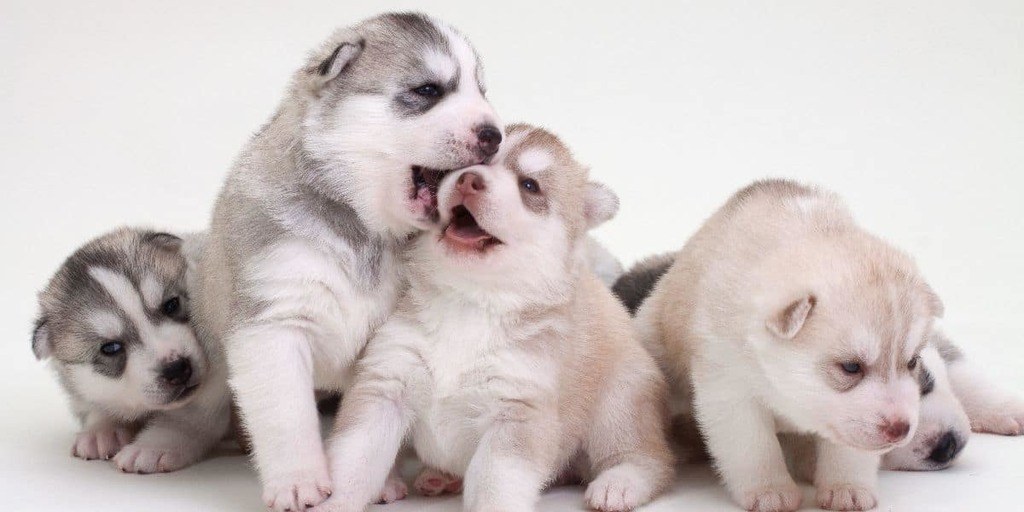
Just want to see some cute puppies? Here you go…