Category Archives for Health

Siberian-Huskies-in-Apartments

Can Siberian Huskies Live in Apartment?

The complete guide to Siberian Huskies in apartments

Are you considering raising a Siberian Husky in an apartment, or other small dwellings such as a flat, unit, bungalow, or inner-city townhouse? Be careful because you might have problems with noise and howling, exercise requirements, or space limitations. Whilst keeping a large dog in an apartment is not easy, it is possible to achieve harmony between you and your pet. Here are some things to think about before you adopt that cute Husky puppy and bring him or her home.

Can a Husky live in an apartment?

You can raise a Siberian Husky in an apartment. Give your dog a lot of exercises, and make sure the environment inside the apartment is suitable for a medium-large sized animal.

But there are some big challenges ahead. Very big! Not many Husky owners can pull it off.
Husky in apartment cartoon That little puppy you bring home is going to grow up pretty quickly.

Your small living environment might seem large to a 9-week old pup, but by 1 year the dog will be nearing adult size. Huskies can grow quite large, around 50 pounds and 23 inches tall. Key questions you need to ask yourself are:

  • Will my Husky have enough room to stretch and walk around?
  • Do I have shelving, tables, and other furniture resistant to bumps, chewing, and slobber?
  • Have I got the time and patience to clean up after my Husky if he or she makes a mistake? sheds hair? picks up objects and drops them all over the floor?
  • Can I isolate my Husky in a room if he or she is misbehaving, you have guests around or small children?
  • Does my apartment get hot? Huskies prefer a cooler and well-ventilated environment.

Don’t kid yourself, raising a puppy in an apartment is a challenge at the best of times. Huskies have special needs that make the job even more challenging.

Alternatively, you could get a miniature Siberian husky as well. Miniature Huskies are a bit smaller, therefore it will require a bit less space and of course maintenance too. 

Dogs in rental properties

If you are renting your home then you need to check with your landlord about what pet ownership rules apply. If you own your property then you still need to check with your building manager or body corporate. Some landlords are fine with dogs as long as they know in advance, but many places prohibit dogs of a particular breed, of a large size, or all dogs regardless.

Before considering bringing home any dog to a rented home you need to check out the rules that apply to your building. You should find these in your lease agreement, and it wouldn’t hurt to ask your property manager as well.

One reason dogs (and other pets) might be prohibited is the likelihood of complaints from other tenants. Many complaints about pets in apartments boil down to two problems: noise, and property damage.

Noise

Huskies are going to howl or bark if they are bored. It isn’t much you can do about that unless you are going to be around your dog all day long then there is a pretty good chance they will make some noise when you head out the door. And because apartments tend to be in very close proximity to each other, that noise travels easily.

You will want to approach your neighbors and get their feedback before introducing a dog into your complex. Let them know that there might be noise, and invite them to talk to you directly if they have concerns. The last thing you need is a landlord, or worse the local animal police, at your door responding to complaints!

Property Damage

Damage to property is another concern to landlords. Dogs have been known to scratch on walls, bump into things, and chew on anything in reach. Again this behavior is symptomatic of boredom and it will be your responsibility to keep your husky happy, and if necessary, pay for those repair bills.

Exercising Husky in an Apartment

Siberian Husky chilling on the couch in an apartmentHuskies need a lot of exercise. In an apartment, they need even more because they can’t get up and run around easily in the limited space available. You need to be willing to exercise your Husky every day no matter what! Whether rain, hail, or shine, and whether you are tired, sick, or hungry.

This goes for whether you live in an apartment or house of course, except that the chances are your dog will need to be exercised and played with two, maybe three times every day to avoid it turning destructive. Huskies often need more than walking. They like to get up to speed and have a run.

It would be ideal if your apartment is near a large park where your Husky can move around more, chase balls, and experience nature.

Potty Training an Apartment Dog

Housebreaking is an essential training activity for your puppy. We already have some housebreaking tips for Siberian Husky Puppies that you can check out. The same principles apply: get into a routine with meals, look for repeated behavior in your pet to suggest he or she is “about to go”, and head outside if you can.

Because you are unlikely to have a yard to let the Husky out to, and it might not be convenient to head out (e.g. you live up a few floors, or it is snowing outside) you will need to make a space in the apartment where he or she can do its deed.

Out of living and eating areas is a good idea, so hopefully, you have a suitably sized bathroom or laundry where you can lay down a large litter tray. You can use “pee pads” or “puppy pads” which are flat pads, kind of like diapers, that soak up the liquid. I really like this one All-absorb Training Pads on Amazon. You also want to be sure your apartment has sufficient ventilation to keep the air cool and dry.

Many apartments have limited options for opening windows and your Husky will suffer if it is left in warm stuffy environments, not to mention the smells that will accumulate.

Can I Leave My Husky Home while at Work?

Sometimes you will need to leave your husky in the apartment while you go to work, head down to the shops, or go out with friends. Hopefully, you are working hard at training your dog, particularly trying to keep him or her out of trouble. If not, just check these general tips on how to train your husky puppy and have an idea of where to start.

That means not wrecking the house! Crate training is likely to play a big part in this as it might be your only effective solution to restraining your dog. A checklist of things to think about when leaving your dog alone is:

  • Does it have clean water?
  • Does it need food?
  • Has it got a toy to play with? A KONG toy is popular and effective.
  • Is there sufficient ventilation?
  • It is not too warm, not too cold?
  • What if your puppy needs to go to the toilet?
  • Is he or she likely to howl, and which neighbors will be affected?

You also might want to consider starting with shorter ‘trial’ trips out of the home to see how your Husky behaves. Even as something as sneaky as head outside your door and sit in the hallway for half an hour to see what happens. Or if you need to go out for longer, get a friend or neighbor to drop in and check that everything is ok.

If you plan on leaving your husky home all day while you head out to work… well… good luck! It can be done but you will probably need a very well-trained and exercised dog. A long walk or jog in the morning, and another one when you get home, is probably what you need to give your dog to keep them stimulated.

And if you aren’t sure…

If you think you are up for bringing a Siberian Husky Puppy home to an apartment but want to make sure you can handle the responsibility, you could contact a local dog rescue organization. You might be able to foster care of a dog for a short period of time to see how you both go. If nothing else you will be doing your bit to help unwanted pets end up in the pound.

Keep these tips in mind if you live in an apartment and considering a Siberian Husky. 

It is not an impossible feat, but you want to be sure you are up for the challenge and special commitment that will be required of you. Still unsure? Check out this Q&A video from a Husky owner:
Feeding-Husky-Puppy

Feeding Siberian Husky Puppies

Husky Feeding Guide

So you are about to, or already have picked up your Siberian Husky puppy from the breeder. What food do you feed it? And what feeding practices are best to ensure the puppy grows up healthy? Here are our tips for feeding your puppy...

Take the breeder's advice

Hopefully you have taken our advice on finding a good Husky breeder and have been given a sheet of information with feeding instructions. The puppy's digestive system takes a little while to develop so it is important you follow the directions.

Typically you will engage in the same feeding rituals with the same food that the breeder has been using, at least until the puppy has settled in to his or her new home. Once settled you can then slowly begin to experiment with different foods and feeding habits.

As easy as 3-2-1

When the puppy is small it will not have a large stomach to eat meal sizes typical of an adult dog. You will want to start with three small meals a day, and move to two, then one.

Up to the age of 3 or 4 months, your puppy should eat in the morning, early afternoon, and early evening. Between 4 and 8 months (give or take a month) cut back to two meals, then by 9 months your puppy will be large enough to get through on one meal a day. 

Watch the weight

Siberian Huskies have a metabolism different from many other dogs. They are bred for harsh conditions and being able to work over periods of time with little food. For that reason you should hold back a little on the recommended meal sizes printed on the packaging of food.

 If your puppy appears to be getting overweight you can cut back some more.  If the ribs are pronounced then maybe increase meal size.  Check this weight chart by weeks/month,  to know  if your puppy on a right path. Also, do not hesitate to ask  your vet  to give specific advice on the feeding and health of your puppy. 

Consider feeding your puppy a premium food mix. Don't let the price fool you: cheaper mixes often have "filler" that requires a greater amount of food to be fed to achieve the required nutrition. Plus you want to make sure your puppy gets all the required protein, vitamins and minerals required for it to grow up healthy. Choosing a high-quality dog food to ensure a well-balanced diet will only help that. 

What to avoid

Like all dogs you want to stick to meat and vegetables. Avoid table scraps, cooked bones, onions and significant amounts of dairy. These can make dogs ill. For example cooked bones can splinter and cause significant damage to your dog's internals. Chocolate is also a no-no, it is very toxic to dogs. For more specific advice on foods to avoid click here for some specific advice on foods to avoid.

Also avoid having the dog hang around the kitchen. It will be easier in the long run if your dog has its own dinner time, separate from your family's dinner time.

Treats

The good news is you can treat your dog occasionally. Perhaps a biscuit every now and again, and little treats during training. See our advice on snacks and treats for more information.

Meal time behavior

Try to stick to meals at similar times each day, so that your puppy can get used to the behavior. After your puppy eats it might be time to take him or her outside to poop. Check out our advice on housebreaking your Husky puppy for further tips on this. Don't forget that your puppy needs fresh clean water AT ALL TIMES, and especially in that hour after a meal. The water helps digest the food and keep your puppy hydrated.


Feeding your Siberian Husky puppy is easy if you use common sense. Take your breeder's advice, start with small frequent meals and over the first year of growth pull back to just one meal a day. Treats are fine. If you think your dog is over- or under-weight, get it checked out by your vet. Shedding pounds off an overweight Husky can be a big challenge!

Husky Feeding Guide Video


Husky Raw Diet

Feeding your husky raw food is possible, though is recommended to be done all at once. If you choose to go this route it is recommended not to mix kibble with the raw meat as their bodies will digest it differently. Check out this video below about Gohan the husky who was switched over and is now raw feeding.  In the video his own discusses his meals, his health, and the changes he noticed after the change over.

Conclusion

We hope that this has helped you in figuring out how to much to feed your husky puppy and if you need some help in choosing food, check out this guide to the best dog food for huskies.

Let us know what worked for you below in the comments! We always love hearing from fellow siberian husky owners!

Husky Weight

Is My Husky Puppy’s Weight Normal? – Husky Weight Chart

Siberian Husky Weight

The adult weight of a Siberian Husky is typically 45 to 60 pounds (20 to 27kg) for males, and 35 and 50 pounds (16 to 23kg) for females. That's the AKC standard for the breed. But what about a growing Husky? How do you know if your puppy is underweight, overweight, or just right?

By 12 months of age the Husky puppy has pretty much reached adult height. From there on the muscle mass bulks up a bit, thanks to exercise and diet, to reach adult weight. If on your dog's first birthday they are over the adult weights then there is a chance your Husky is overweight and this should be attended to before the condition worsens.

Under a year old the dog is growing quite fast, and like humans dogs are a little inconsistent in when growth spurts will happen, so it can be difficult to suggest an ideal weight range.

However it is generally regarded that at 12 weeks of age (3 months) the husky will be about half of adult weight. The average weight of male Siberian huskies will be around 23-30 pounds (10 - 14kg) and average weight of female huskies will be 18 to 30 pounds (8 to 11kg).

If we want to talk about younger than 3 months (but not much) we can say that an 8 week old male husky will weigh around 10 - 15 pounds (4.5 - 6.8 kg) and a female will weigh roughly 8 - 12 pounds (3.5 - 5.5 kg). And if we are talking about a miniature husky, then that is a totally different topic. 

Siberian Husky               Weight Chart

Age

Male Husky

Female Husky

8 Weeks

10 - 15 lbs / 4.5 - 6.8 kg

8 - 12 lbs / 3.5 - 5.5 kg

3 Months

23 - 30 lbs / 10 - 14 kg

18 - 30 lbs / 10 - 14 kg

6 Months

33 - 43 lbs / 15 - 19 kg

26 - 36 lbs / 12 - 17 kg

9 Months

40 - 53 lbs / 17 - 24 kg

33 - 46 lbs / 14 - 21 kg

12 Months

43 - 57 lbs / 19 - 26 kg

34 - 49 lbs / 15 - 22 kg

15 Months

45 - 60 lbs / 20 - 27 kg

35 - 50 lbs / 16 - 23 kg

Is My Husky Fat (Overweight)?

A rule of thumb to determine an overweight dog is to look top-down and compare their waist to their chest. If the waist is wider than the chest then there is a chance the dog is carrying a little more weight than it should.

12 week old husky puppy of correct weight

12 week old husky puppy of correct weight

What can you do about a fat husky? If you are feeding them a lot of snacks and treats you might want to cut back a bit. Feeding your husky puppy less human food and instead good quality dog food is the way to go.

Food scraps from your own dinner might be higher in fats than what your dog requires. Dog food tends to be higher in protein to more accurately represent a traditional animal diet, promote muscle growth and not fat storage. 

Also, consider feeding him a quality low-fat dog food. We were using this one from Amazon - Hill’s Science Diet Weight Management Formula and it seems to work the best for maintaining the healthy weight of our huskies.

You should also consider the amount of exercise you are giving your puppy. A slight increase in exercise, duration and/or intensity, might be enough to help the dog fall slowly to a more reasonable weight. Be gentle though - an overweight dog isn't going to be as strong, agile, or have the same stamina as a perfectly healthy dog. If you want to know more, here are our top five tips on exercising your Husky puppy.

Is My Husky Underweight?

The tell-tale sign that a dog is underweight is that the rib bones are clearly visible across the chest. In this case similar advice applies for an overweight dog - look at the diet and feed more wholesome pet food with a high protein component. A bit more exercise can help promote muscle growth.

If you suspect something else is at play - for example your puppy refuses to eat - definitely get it checked out by your vet. There could be an underlying health condition affecting appetite that needs to be treated.

Conclusion

Slight variances from the Siberian Husky breed standard are to be expected while a husky puppy is growing. At 12 weeks you expect a husky to be about half adult weight, and by 12 months well on its way to reaching adult weight. Over- or under-weight dogs should be cared for with an improvement in diet and exercise. Of course, if you are concerned about the health of your puppy a trip to the vet is warranted.

 Catching problems early on can avoid more costly vet bills later, not to mention the more difficult to change your puppy's eating and exercise habits. If you are interested in balancing the weight of your husky this 5 tips to exercise your Siberian Husky might help you to better maintain the body weight of your little friend.

Vitamins For Siberian Husky

Best Vitamins for Siberian Husky

Are you thinking of buying vitamins for your Siberian Husky? Wondering what the best vitamins or best food are for dogs? Here is our advice on what to feed your puppy to give it a balanced diet, and avoid unnecessary and expensive supplements. Think of it as cheap pet insurance. If you want real insurance for your husky and you wonder if it’s worth your money spend, we were giving some tips and advice before purchasing pet insurance for a husky puppy right here – Is Pet Insurance Worth It For A Puppy

A balanced diet starts with normal food

You probably already know this expression from childhood: you are what you eat. If you eat healthy food, you will feel good and healthy. The same applies to your pets. If you feed them good quality pet food they will feel better and have fewer medical complaints.  Spending a little more on better quality food for your Husky could save you hundreds, if not thousands of dollars in vet bills over the lifetime of the dog. This is especially true for Siberian Husky puppies who need the best food you can afford, to give the dog the best chance at growing into a healthy adult.

What makes good dog food? If you see the words “Complete and Balanced” on the label then that is a good start. The FDA imposes strict rules over the “Complete and Balanced” phrase. Only quality pet food can quote that wording on its packaging. Furthermore, look closely at what is going into the food. Is it real meat with a high protein percentage? Is there other nutritional information such as the presence of vitamins, Omega3 fish oil, or other additives that would benefit the dog? Then that is also a good sign.

Generally speaking the more expensive the pet food the better quality it will be, as quality pet food costs more to produce. It has more meat and less filler. However, this is not always the case. Sometimes expensive pet food isn’t any better than the cheap ones. You might want to ask around your local dog clubs, breeders, vets, and even your neighbors to see what they recommend and where to buy it from.

Do dogs need vitamin supplements?

Vitamins for Siberian HuskiesNo! Well…. maybe.

Tens of millions of dollars are spent each year on pet supplements in the US alone. There are a number of vitamin companies marketing vitamin products; NuVet, ProSense, Nutrivet, and many others. Their job is to convince you that your beloved pet needs their product to be happy.

They also have affiliate programs and advertise on many Siberian Husky websites to make it look like they are recommended for Huskies. The reality is for the vast majority of Huskies do not need vitamin supplements. If you are feeding your dog quality pet food, with some variety or rotation in the meals, then you are doing great!

There will, of course, be exceptions. If you feel that your Husky is experiencing problems such as difficulty moving, appetite problems, or is easily exhausted, then a trip to your vet is warranted. The problem might be diet-related, or it could be something else entirely. Your vet is going to give you knowledgeable advice and help pinpoint the issue.

The problem with guessing and trying out supplements is that the imbalance that your pet might have could be made worse by choosing the wrong supplement. Just like in humans there are some vitamins that are good in small doses, but in larger doses can actually make you feel worse! Feeding your dog the wrong supplement could be doing more harm than good. So take care.

Also, don’t forget there are some foods that disagree with dogs and you want to ensure they are eliminated from your pet’s diet immediately.

What are the Best Vitamins for Huskies?

So having convinced you not to supplement your dog’s diet, there are a couple of things that are generally considered safe to feed to your pet. You could at least try and see if they make a difference.

Glucosamine is a supplement well known to help humans with joint pain such as arthritis, and many Siberian Husky owners swear by its effectiveness on animals. You might already know that Siberian Huskies are predisposed to health complaints such as hip dysplasia, and glucosamine can aid in the discomfort your dog might exhibit.

You can buy glucosamine supplements on Amazon, I use this one – Liquid Health K-9 Glucosamine Hip and Joint Formula. I like this supplement mostly because it comes in liquid form, so my husky has no problem slurping up. I simply add the correct dosage to my dog’s favorite food or water every day.

Omega3 (fish oil) can help with coat and skin complaints, as well as joint pain. Omega3 is sometimes added to pet food so check out the packaging and you might be able to avoid extra supplements altogether. If your Husky has dry or flakey skin, or you just want to improve the health of his or her coat, then fish oil could be beneficial. I normally buy this one – Welactin Omega-3 Skin and Coat Support on Amazon, and my Huskies love it.

There is one particular situation in which a multivitamin for dogs might be of benefit. If you are cooking the dog meals yourself and not using prepared dog food from the supermarket or pet store, then there is a chance that some required vitamins and minerals are missing.

This would particularly be true if you tend to use the same meat and not introduce variety such as vegetables or added vitamins. In this particular circumstance then a multivitamin could help “fill in the gaps” with the nutritional profile. Then again, if you are cooking meals for your dog the chances are you are doing so because you know what is going into the food and, with purpose, introducing variety not present in commercial foods that you can obtain or afford.

Where can I get more information?

Your vet should be your primary source of advice for health issues with your pets. They have the up-to-date knowledge and experience needed to diagnose problems accurately. Since you should be taking your Husky to the vet regularly for a checkup, these appointments are the perfect opportunity to ask the question of whether vitamin supplements are suitable. If the answer is yes, you should narrow down precisely which vitamins the dog requires, and in what quantity.

Conclusion

Siberian Husky at the Vet

Get your vet to help suggest what vitamins might be of benefit

We recommend you do not feed your Husky multivitamins or vitamin supplements without consulting your vet first. At best you might get lucky and your dog benefits from them.

If you are feeding your Siberian Husky quality pet food then there is little more than a supplement can do.  At worst you could be causing an imbalance in your dog’s dietary intake and might cause some harm, even if only mildly.

So if you think you have a problem, take notice of what’s on the label of your pet food, and perhaps try a different brand or nutritional make-up and see if things improve. A simple tweak to the diet might be all that is needed to improve your Husky’s health!

Husky-Pet-Insurance

Is Pet Insurance Worth It For A Puppy?

Although pet insurance might sound like an unfamiliar concept to you, it’s getting popular with every passing year. For example, the number of people that bought pet insurance in the UK increased from 2.8 to 3.8 million from 2013-2017, with about 2.1 million GBP being paid daily in insurance claims.

Rising vet bills in recent years have given popularity to insuring your pet. But before you jump in, there are some things you need to know to answer the main question: “Is insuring your husky puppy really worth it?”

Pet insurance basics

When shopping around for pet insurance you will come across some terms which are key to understanding and comparing insurance options:

  • Recurring cost – which is your cost-per-month for insurance. Most insurers will offer a yearly payment option that offers a discount over the monthly rate.
  • Deductible – known as the excess in some countries, this is the minimum amount in dollars that you contribute to a claim. If your deductible is $500 then you must pay the first $500 of a claim, regardless of whether your claim is for $550 or $5000, and regardless of the reimbursement rate.
  • Reimbursement – this is usually presented as a percentage such as 80% and represents how much of the total bill you will get back from the insurer. So if the reimbursement is 80%, and the cost of treatment is $10,000, you will get a check from your insurer for $8000 if the claim was approved. Note that there might be different rates for different treatments so be careful.
  • Maximum claim – You might be limited to a maximum amount (in dollars) claimable in the pet’s life, in a year, or even for a single accident or illness. You should look through the insurance policy fine print to find this information because it might not be presented upfront when shopping.
  • Exclusions – Again you need to look at the fine print. These are the services or treatments not covered by insurance. Hereditary conditions are commonly excluded.

Pet insurance price differences

Many factors influence price differences between insurers. These include:

Sick Siberian Husky Puppy

  • Differences in deductible and reimbursement rates. Often you can tweak these numbers to lower your monthly insurance cost, such as raising the deductible.
  • What services, treatments, and products are excluded.
  • The breed and age of the dog: older dogs tend to cost more for insurance, and some breeds are more prone to injury or health issues than others.
  • Your location.
  • The insurer itself: their reputation, their costs, who underwrite them, and many other factors that you have no control over. Simply put: some insurers cost more than others, even for the same policy.

Unfortunately, when comparing pet insurance it is very difficult to compare options. It might help to draw up a chart (or use a spreadsheet) when comparing potential insurers, taking note of what each policy is offering. If you can reduce the policy features to just the ones you are interested in it will make it easier to narrow the choice down.

What to look out for when choosing pet insurance?

If you buy pet insurance, you’ll have to pay a monthly fee. But in case your Husky gets sick, the insurance company will pay for its treatment according to its terms and conditions. But we wish it would be as simple as it sounds. 

Pet insurance Exclusions are probably should be your biggest concern, and this information is likely to be in very fine print and not well advertised. Some typical exclusions include:

  • Certain tests or diagnostics are not included.
  • Pre-existing health conditions that the animal had prior to taking out insurance, whether or not you knew of those conditions.
  • Hereditary issues with the breed. Common health problems with huskies such as hip dysplasia and eye issues may not be covered.
  • Dental work may be totally excluded.
  • Different treatments may have different rates of reimbursement, and even different deductibles.
  • After-hours and weekend emergency care may be excluded.
  • Choice of vet might also be an issue.
  • The amount paid for specific treatments. Some policies have a schedule of treatments and payout amounts, which might be substantially less than what your local and trusted vet might charge you.

Furthermore, when making a claim on pet insurance, almost all insurers will require you to pay your vet first, and you claim the money back from the insurer. It is of little use to take out an insurance policy if you can’t obtain funds in a hurry to pay a bill. It may take a number of weeks for your insurer to accept your claim.

With so many variances between insurance policies, how can you expect to make the best decision?

How to choose the right pet insurer?

As with any insurer, the primary consideration is will they pay out if I make a claim?

You can and should talk to other Siberian Husky owners in your local club, or talk to your vet, or even dog-owning friends and relatives, to find out if they have made a claim and how easy or difficult it was. Search the internet for reviews of insurance policies – just be aware that you tend to only read about the horror stories, not the many thousands of successful claims that happen each year.

Price is also a factor to consider and balance off between the deductible and reimbursement rates. What price you are comfortable with depends on your own personal financial situation.

However, if you have 5 policies in front of you and 1 is abnormally cheaper than the others, you might want to try and figure out why. It could be some key features are missing. Similarly, if a policy is unusually expensive it could be there are features you may never need such as pregnancy care for a female pet.

Alternatives to pet insurance

If insurance seems expensive, and it can be especially if you have multiple pets, there are some alternatives you might want to consider:

Savings FundSick Siberian Husky puppy with collar

For some, the cost of pet insurance is too much, and they prefer to keep a savings fund for that ‘rainy day’. This can often work out cheaper than insurance. If your husky is kept in a secure yard all day, and when out is restrained and not let off-leash, then the chances of him or her being involved in an accident are quite low.

Furthermore, if you did your homework when selecting your puppy from a reputable breeder, who gave assurances as to the health of the animal, there is a good chance you will never incur any significant vet bill for the life of the dog.

There are two big problems with savings accounts that you need to be aware of:

  1. It starts at $0. If your pet develops a problem early in life then the savings account is unlikely to cover all the bills. A pet insurance policy is likely to have a very short or no waiting period.
  2. You have to be disciplined to keep topping it up, each and every week. If you forget, or can’t afford to keep depositing, then the fund may not be there when you most need it.

If you are already a disciplined saver then this option might work out for you.

Other fund types

There are lower insurance levels that cover injuries but not conditions, however as we just mentioned the chance of injury might be very low for your husky. Sometimes these policies are offered almost like a guilt trap if you can’t afford the full-priced policy, and offer little benefit to your dog.

Cheaper services

There might be lower-cost vet clinics in your area, possibly not-for-profit and/or tied to rescue organizations. Universities can also be looked into – some offer services cheaper in return for providing training for students (under supervision of course!).

Euthanasia

It might not be a popular option but it is one we need to mention. For some it might just make more sense to put your pet down instead of paying expensive vet bills, only to have the animal continue to live in discomfort.

Conclusion

Pet insurance is a booming industry – and is it any wonder with vet bills running into $100s or $1000s for a single incident? When shopping around take note of the deductible, the reimbursement, and especially the exclusions in the fine print that will affect your claim. So is it worth purchasing pet insurance for a husky puppy?

  • If you can afford the monthly fees and have spare cash to pay the vet bills right away, and your husky might have some health issues, AND your insurer will pay out for these issues, then YES! Insurance could save you money.
  • In all other cases, we suggest NO! You are better off saving money and accepting the risk. The general health of the Siberian Husky population is getting very good and if you take care of your pet, there is no reason he or she can’t live a long and happy life. You can always take out insurance later in life if your husky seems accident-prone, and spend the first few months saving for a rainy day.


Husky-Snacks-and-treats

Snacks And Treats For Your Husky Puppy

Treats for your Siberian Husky are a great way to reward good behavior during training. However not all food is good for your puppy to snack on. Here we have a look at what is suitable for puppies and what to avoid.

As you know, puppies need food to grow. It is really important to feed your Siberian Husky puppy good quality food that promotes muscle and bone growth and provides the energy needed to exercise and play. Snacks are no different. Just like human snacks you want to avoid snacks that are high in fat, sugars, and calories. They might taste good (to the puppy!) but overall might be harmful to the health of your husky in the long run.

If purchasing treats from a store look for those with high meat content. Lower quality snacks are often cheaper because they have “filler”, typically a grain of some kind. The worst have high-fat content.

Snacks should be fed as a treat and not become part of normal feeding routines. Typically the only time you would feed your dog treats is to reward good behavior during training or playtime. If you start conditioning your puppy to accept snacks all the time they will become used to that behavior, and start pestering you between meals. See our article on Feeding Siberian Husky Puppies if you need some further advice on meals.

Store-bought snacks can be a bit pricey but there is a wide range of “human” foods that your puppy might take to:

  • Plain rice and oatmeal.
  • Unsalted pretzels, unsalted almonds, unsalted and unbuttered popcorn.
  • Cut up an apple.
  • Blueberries, strawberries, and other berries without pips.
  • Bananas. Frozen bananas are a great treat.
  • Seedless watermelon.
  • Beans, carrots, and sweet potatoes.
  • Peanut butter is ok as an occasional treat in a KONG Toy, but be aware of the high sugar and fat content.

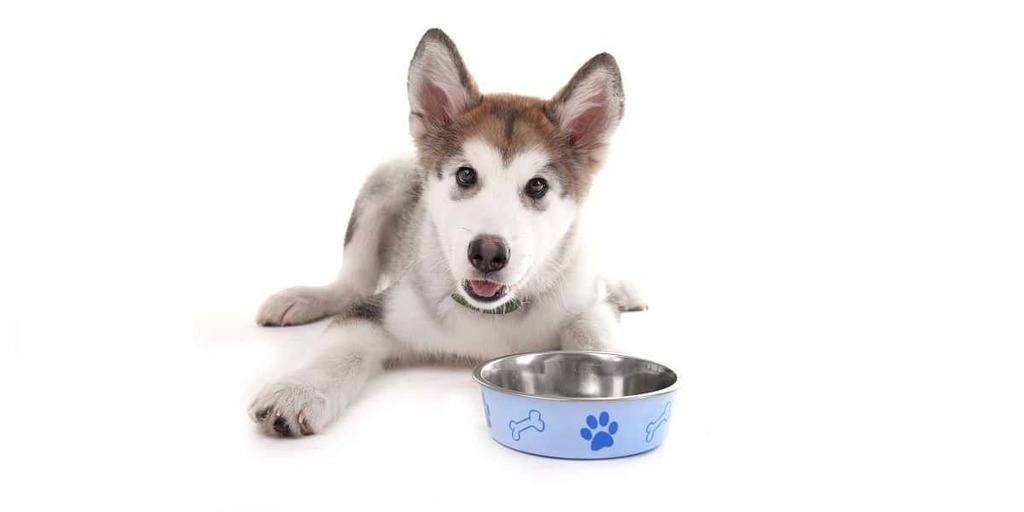
Happy Siberian Husky puppy enjoying a treatIt will require some experimentation to see what your Husky likes. Don’t be surprised if he likes food for one month, but goes off it the next. Huskies need some variety in flavors and textures in their food. You can also bake your own doggie treats – check out the Dog Treat Kitchen website for recipes that are easy and inexpensive.
There are some human foods NOT suitable for dogs, including chocolate, grapes, and avocado. We have some specific advice on these foods here.

When feeding treats you might want to cut or break them up into smaller pieces. Puppies only have small jaws, small tummies, and you can reduce intake by reducing the portion size. Don’t forget that during training there are many non-food rewards you can give as feedback, such as pats, rubs, scratches, positive words, and playtime with favorite toys. Try different things and see what works best for you and your dog!


Foods-to-avoid-giving-your-husky-1

Food to Avoid Feeding your Husky Puppy

Dogs have special dietary requirements to keep them healthy. Some foods are likely to lead to discomfort, and others are downright deadly. Here are six foods you should avoid feeding your Siberian Husky. This is particularly important in the puppy stage where their smaller mass and less developed immune system can result in more serious and faster effects.

1. Milk and some dairy goods

Although some dogs are fine with milk and dairy, and others can tolerate a small amount, you generally should avoid feeding milk products to dogs. This is because dogs lack a digestive enzyme named lactase, which breaks down the lactose sugars present in dairy foods.

Foods to avoid are milk, ice cream, and more than 10% fat yogurt. Problems after ingestion can include bloating, gas, diarrhea, and other symptoms of an ‘upset tummy’. Accidental and small intake of milk and dairy is unlikely to lead to anything serious and life-threatening, but you wouldn’t want your Husky to be continually upset, would you?

Healthy Alternative:

At online pet stores, you can buy special ‘puppy milk’, which has much less lactose and is safe to feed animals. It’s a great treat and healthy for younger puppies to get calcium to help build strong, healthy bones.

2. Chocolate

Siberian Husky Eating Dog FoodEveryone loves chocolate, right? Well, dogs might love it too, but it is a big ‘NO NO’ to feed anything chocolate to them. This includes chocolate bars (even just a nibble), cookies, brownies, cocoa drinks, licking the beaters after mixing a cake… anything with a chocolate component.

The caffeine and theobromine chemicals present in chocolate are very toxic to dogs. The darker the chocolate, the more cocoa content, and hence more toxic.

Ingestion can cause a wide range of issues including vomiting, excessive thirst, general discomfort, abdominal discomfort, heart rhythm issues, tremors, high temperatures, and so on. Seizures and death are at the extreme (but not unlikely) end of the scale.

You need to be particularly attuned during holiday seasons when chocolate poisoning cases go up; Easter, Halloween, Christmas, Valentine’s Day, etc. These are days where we are more likely to have chocolate lying around the house, on a coffee table, or in a bag.

3. Grapes and Raisins

It isn’t fully understood why grapes and related products (raisins, currants, etc) are a problem for dogs but can lead to serious issues such as kidney failure. Some dogs are fine with these products, others are not. Worse is the symptoms can be delayed from 12 hours to a few days.

Initial symptoms of poisoning include vomiting, diarrhea, and general lethargy. Over the next few days, kidney failure might occur, or long-term kidney disease develops over time.

Don’t forget that cakes, cookies, cereals, and snacks (such as muesli bars or trail mix) often have grape products in them. It isn’t just raw grapes that can cause issues.

4. Alcohol

All types of alcohol should be avoided; beer, wine, spirits, mixed drinks, cocktails, egg nog, etc. Because of their size and metabolism, dogs are more sensitive to alcohol than humans. Puppies are especially vulnerable. Like excessive consumption by humans, dogs will experience vomiting, coordination, and disorientation issues, and in extreme cases, coma and death.

Remember that you might not feed your dog alcohol, but if they go sniffing around the house when you aren’t looking they might just come across it themselves, so keep those drinks locked up!

If you find your husky has consumed alcohol then (again, like humans), watch him carefully until they start to feel better. If your dog is so inebriated they can not stand up and move about, then seek expert guidance from your vet or animal emergency room.

5. Onions and Garlic

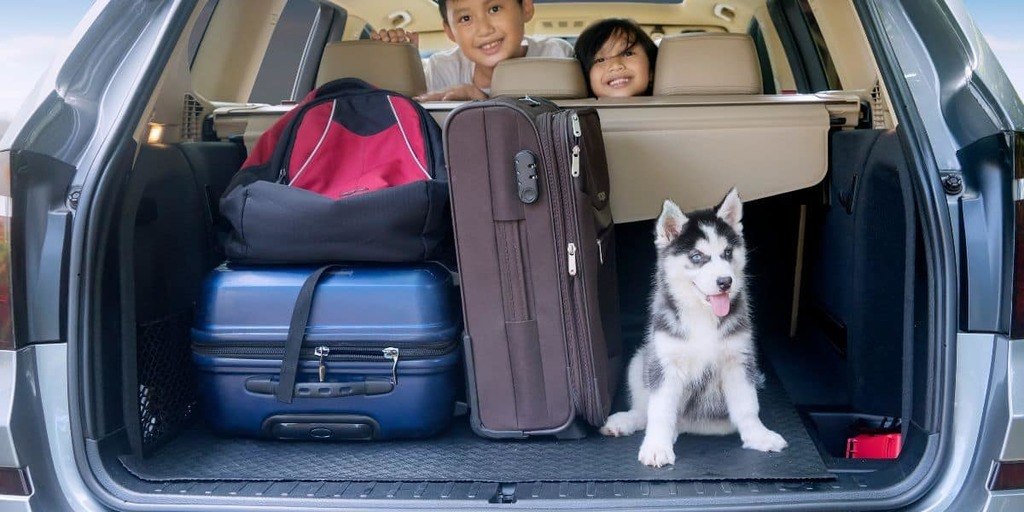
Siberian Husky Puppy that is fed wellThis family of foods includes onions (all kinds), garlic, shallots, scallions (spring onions), chives, and other related herbs and bulbs in the allium family of plants. These contain thiosulfates which are a toxin to dogs when ingested in quantity.
Don’t forget that many packet foods such as soups, spice mixes, and powders contain dried versions of garlic and onion. Onion has a high concentration is of most concern. The thiosulfates damage red blood cells in the dog’s cardiovascular system, leading to lethargy, weakness, and difficulty after even mild exercise. The effects can take a few days to set in so it might not be immediately apparent what has caused the change in behavior.

In the case of suspected poisoning, a trip to the vet is essential to get your Husky checked out and medical options explored. If you get on top of the problem quickly you can avoid worsening the effects, and get the help your dog needs to recover.

6. Avocado

Avocado is an unusual food in that different varieties have different levels of toxicity, and some animals simply don’t feel the effect of it at all. However, you should still avoid avocado to be on the safe side. The toxin is named Persin and can lead to vomiting, diarrhea, and generally an upset tummy. In greater doses, some worsening respiratory and heart issues can develop, even death.

If the intake is small (a bit of flesh) then watch your Husky closely to see if he or she displays any adverse effects. For large ingestion of avocado, you should seek advice. Of particular note is the pip (stone) in the avocado: ingestion of that can lead to significant obstruction problems in the intestinal system and requires immediate professional attention.

What if my Husky ingests one of these Foods?

Head straight down to your vet or animal medical center. They can administer treatment to help get your dog healthy again. If nothing else you can live knowing you did all that was possible to save your Husky (and more than likely it will survive if you act quickly).

Conclusion

Pay attention to what you are feeding your Husky, especially if they are getting leftovers or if food is lying around. The best thing, of course, is to feed your Husky proper dog food which is safe, affordable, and has many nutritional benefits suited to animals. 

Milk, chocolate, grape, onions, and alcohol products all should be avoided for the lifetime of your Husky, and particularly at the puppy stage of life. You should stick to regular dog food in various forms and textures to provide some variety: dry kibble, wet food, raw meat, and doggie treats. Don’t forget to lock up your kitchen cabinets or keep your Siberian Husky out of the kitchen. Bored huskies will open anything that can be opened and investigate. Sooner or later they will find something they shouldn’t be eating and will not know any better. So keep your Husky away from human food!

Siberian-Husky-Car-travel

Tips For Car Travel With Your Siberian Husky

Even if you don’t plan on traveling much with your Husky, the chances are you still need to get the puppy home from the breeder, to and from the vet, and occasionally out to a larger park or beach to run around. Here are our top ten tips for safe and healthy travel with your Siberian Husky:

1. No food beforehand

Avoid feeding your Husky two hours before travel. This should give time for the food to digest and not swirl around in the tummy. If your dog does get sick (and husky puppies are especially prone to car sickness) there will be less mess to clean up if they vomit (throw up).

2. Carry cleaning gear

When your Husky has an accident (toilet or vomit) it pays to be prepared to clean it up quickly, efficiently, and without fuss. You will need a paper towel, bath towels or blankets, plastic bags, wet wipes, and some basic cleaning gear to get the job done.

3. No roaming

Secure that Husky! We all see dogs in cars jumping around, heads out the window, barking at other motorists. That’s irresponsible and dangerous. In an accident, the dog becomes a pinball that bounces around – causing all sorts of terrible injuries. So, secure your dog down. This also helps calm the dog because there is less opportunity to get hyped up.

4. Use a crate or belt

Safety belts have the advantage of securing dogs down very well – so that it is little or no movement possible in the event of an accident. If you go this way then make sure the belt is made out of very strong material because your Husky is likely to get bored during travel and start chewing.

Dog crates are a popular alternative and although offer some movement, are a lot more secure than no restraint at all. When purchasing a crate lookout for these qualities:

  1. Large enough so that your Husky (both now, and as it grows larger) can get up and turn around.
  2. Quality, sturdy, construction that will last the bumps and movements that come from travel, carrying it in and out of the car regularly.
  3. Construction that is chew-proof when your dog is inside.
  4. A stable base. You might need to further tie the crate down to stop movement on the floor so look for anchors and methods to tie these straps in to.
  5. Strong and doggy-proof latches. Siberian Huskies are known for being escape artists – just check out this video.
  6. Ease of cleaning, especially on the road where you might not have a hose available.

Some vans and SUVs have a trunk section that can be caged off from the passenger section. This is better than having the dog on the front seat but you might still want to consider securing him or her further, depending on how large the area is.

Whatever you choose to do you will probably need blankets or mats under the dog – to trap the doggie hair and also any accidents. I got this one on Amazon – BarksBar Luxury Pet Car Seat Cover and it works pretty well for our Ford-F150.

5. Stay cool

If your Husky is out the back of your car or van there might not be a lot of ventilation back there. So open up windows or turn the fans on and blow air down that way. Sitting in front of a window on a sunny day can get quite warm so you might need the A/C on as well.

6. Never leave the dog alone

You would never leave a child unattended in a car and a dog is no exception. Even if you crack the windows open this is rarely enough to stop the heat, let alone provide adequate ventilation.  Hopefully, you have someone who can stay by the car and supervise. Open the trunk or tailgate to let more air through when the car is stationary.

7. Plan entries and exits

How are you going to get your Husky in and out of the car, safely, and on a leash? Unless you have two strong individuals it might not be possible to lift a dog crate in and out of each stop. Work out the process of getting your dog up into the car and into a safe position. For exit, you need to work out how you will get the leash onto your dog safely before it has a chance to jump out of the car and run.

8. Keep calm

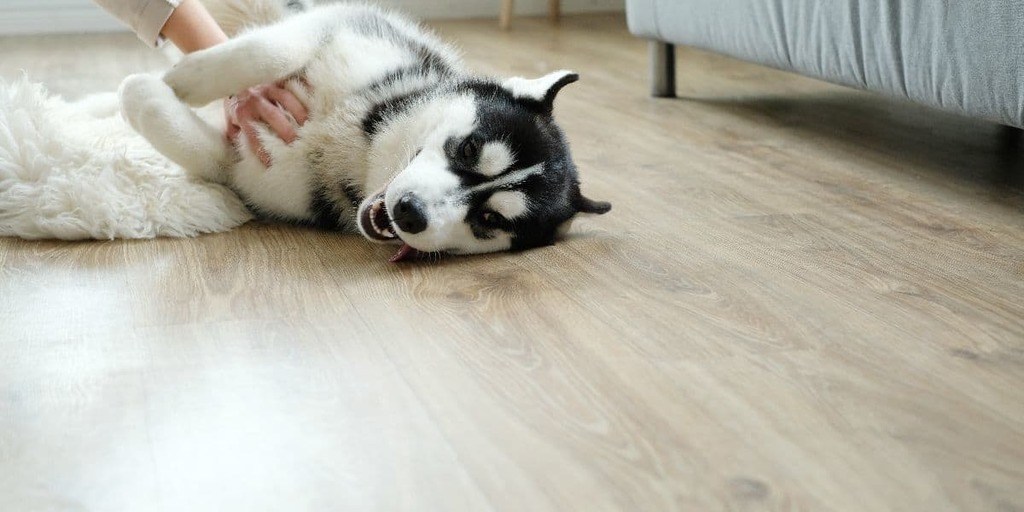
Siberian Husky That Travels WellJust like children, a lot of noise, uncomfortable movements, and unnecessary commotion can distress dogs. If an incident happens such as an unexpected toilet stop or travel sickness there is no need to make a big fuss about it. Clean up and carry onwards.
9. Frequent stops

Also like children, Huskies can get bored in the car. It is their nature. Pullover every hour and give your dog a bit of water and a walk around. You might have to bring along a bowl and water if there is none along the way. Of course, if your Husky is sleeping then push through and enjoy the journey!

10. Have a plan B

If you are heading quite a distance away from home, have you thought about what will happen to your Husky if your car breaks down? Check your auto association or mobile mechanic to see if they cover pet retrieval. Also, consider what if your dog really doesn’t like traveling? You might want to think about the possibility of taking it slow and easy, even if that means breaking the journey up over two days.

Not all dogs like travel and car travel especially can be disruptive and dangerous. We hope these pointers help you and your Siberian Husky travel safely and in good health.

How-much-Space-does-a-husky-need

How Much Space Does A Siberian Husky Need?

Siberian Huskies were bred as working dogs – pulling sleighs and assisting hunters. It is no surprise that they need space, but how much space? And can they survive in a smaller environment with little yard space?

The primary concern is not so much space they have, but rather how much exercise they receive. Here you can check, that Huskies can live in apartments given enough outdoor time for exercise and play. The physical and mental stimulation they crave is most important. It is not uncommon for Siberian Husky owners to exercise their adult dog for 2 hours a day, and that’s on top of playtime as well! No matter how large or small your yard is, if you can’t spend the time exercising and entertaining your dog then perhaps a Husky is not for you.

Siberian Husky needing more spaceAlso important is the security of your yard. Huskies are known for escaping and given the chance will try to jump and climb fences, or dig underneath. Fences need to be high, and also buried in the ground. Latches and bolts need to be secured or the dog will find a way to open them.
If left alone a Husky might become bored. This could be a problem if the dog is indoors, and will probably resort to tearing apart furniture and pushing objects around just to keep him/herself entertained.

Because Siberian Huskies are pack animals they go really well with another canine companion. Two Huskies will play with each other some of the days and reduce the tendency to become bored and destructive. Don’t forget double the dogs could mean double the trouble, vet bills, food, and toys!

Whatever you do you can not let a Siberian Husky roam the neighborhood, even if you are out in the country. Huskies like to run and will take off after smaller animals if given the chance. When exercising and walking your Husky you are likely going to have to leave it on a leash all the time.

So if you only have a small yard fear not, a Husky can and will survive, but it is up to the responsible owner to provide the exercise and stimulation needed every day of the Husky’s life.


Husky-Microchip

Microchipping Husky Puppy: Complete Guide

Microchipping is the process of implanting a very small electronic tracking device into a dog, for the purposes of identification should the animal ever go missing. Microchipping can increase the chances of your lost pet being reunited up to 5 times! It is so effective that in some places around the world microchipping is mandatory. Even if it isn’t required in your state, it is a very wise idea to get your Husky puppies microchipped. Whereas collars and tags can come off or be removed, the chip stays under the skin of the dog permanently.

Chip Insertion

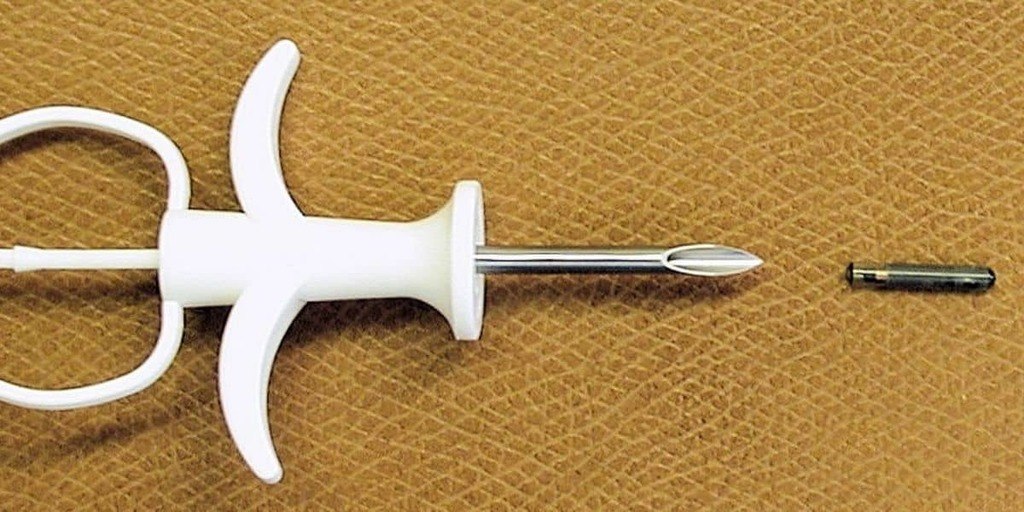
The microchip itself is very small – around the size of a grain of rice. It is implanted with a needle in to the loose skin on the back of a dog’s neck. The dog feels little pain and does not require any anesthetic. It is not unlike getting a vaccination, and typically at the first vaccination, a puppy receives this would be an ideal time to get microchipped. It is a very safe and extremely common procedure that any vet can administer.

Cost

Microchipping should not cost more than $50 for insertion and activation of the tracking number. Some local councils, agencies, and shelters will do it for as low as $15. There is a chance that if you are adopting your Siberian Husky from a shelter, or purchasing from a breeder, the chip has already been implanted for you. Be sure to ask when you pick up your dog so that they can help you update the tracking information.

Siberian Husky Microchipped for Dog IdentificationTracking

Microchipping uses a very small electric device that is known as an ‘RFID’ tag. This is not a GPS device. You are not able to look up your pet’s current location on a map! However, the RFID will emit a number back to a scanning device (similar to a handheld barcode scanner) and that number can be used to retrieve information on various microchip registers. Registers include Anibase, RFID-USA, Microchip ID Systems, and others.

If there are multiple registers how do you know which one your Husky is registered at? Shelters and pounds will check as many registers as they can to find the owner. When the chip is inserted the vet probably has a preferred register that is well recognized in the local area.

Just remember to update your details with the register should you ever relocate your pet. Often this is as simple as updating details on a website or giving them a call. They will need to know where you live and what phone number to call you on should your pet ever be retrieved without a collar and tag.

Is it safe to microchip a dog?

Yes. With millions of pets chipped safely each year you shouldn’t need to worry about any ill-effect. The chips do not raise any allergic reactions, cause any new allergic sensitivities, or cause any tumors or cancers.


Even if your Husky is confined to a yard and never let off-leash, you should still get him or her microchipped. The cost is minimal and the benefits are valuable. You never know when that lead will break in your park, or your Houdini Husky puppy will find its way out into the street. Still unsure? Check out this ABC News video of a Husky that ended up hundreds of miles from home, but still reunited thanks to microchip identification.